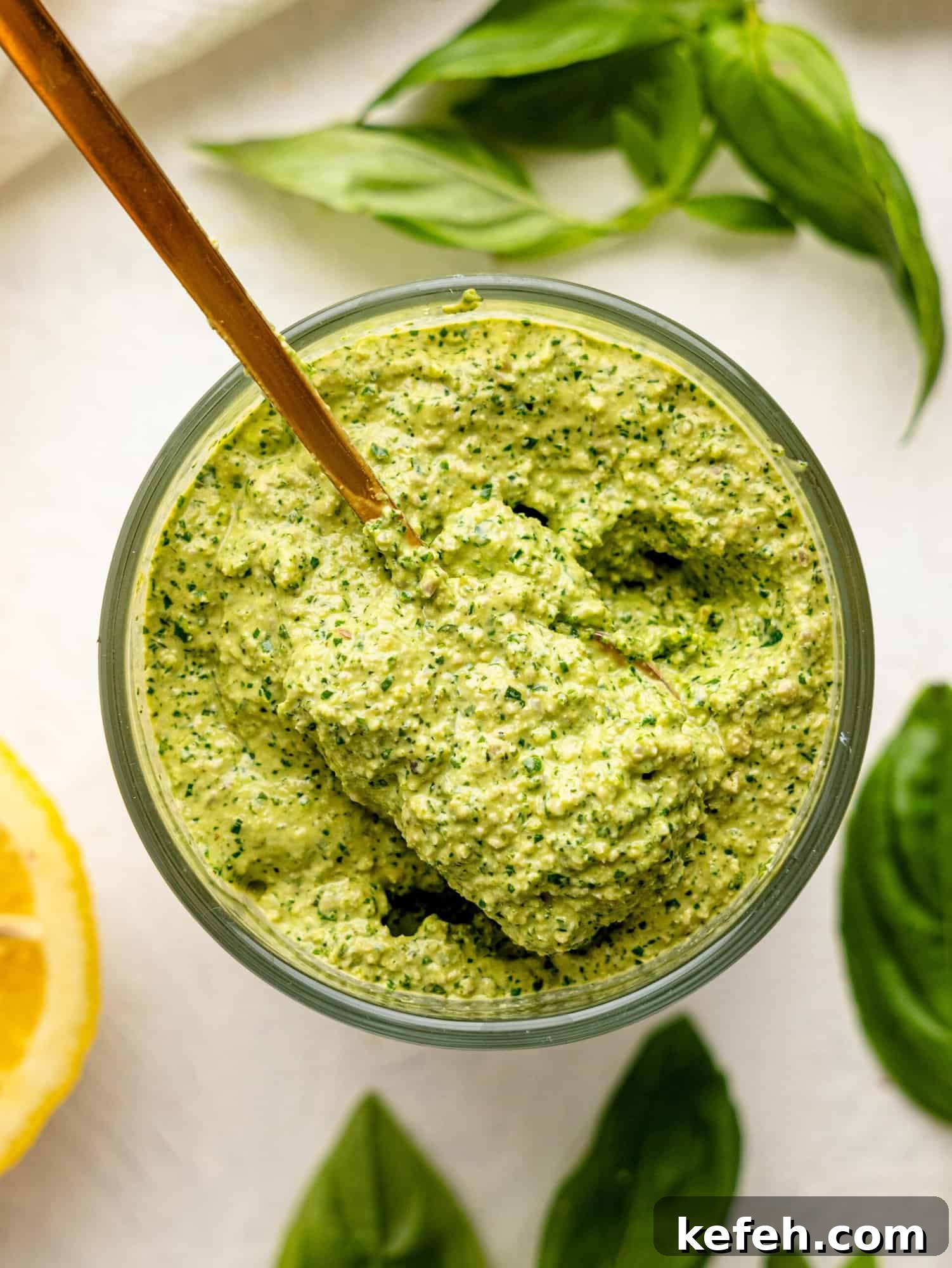
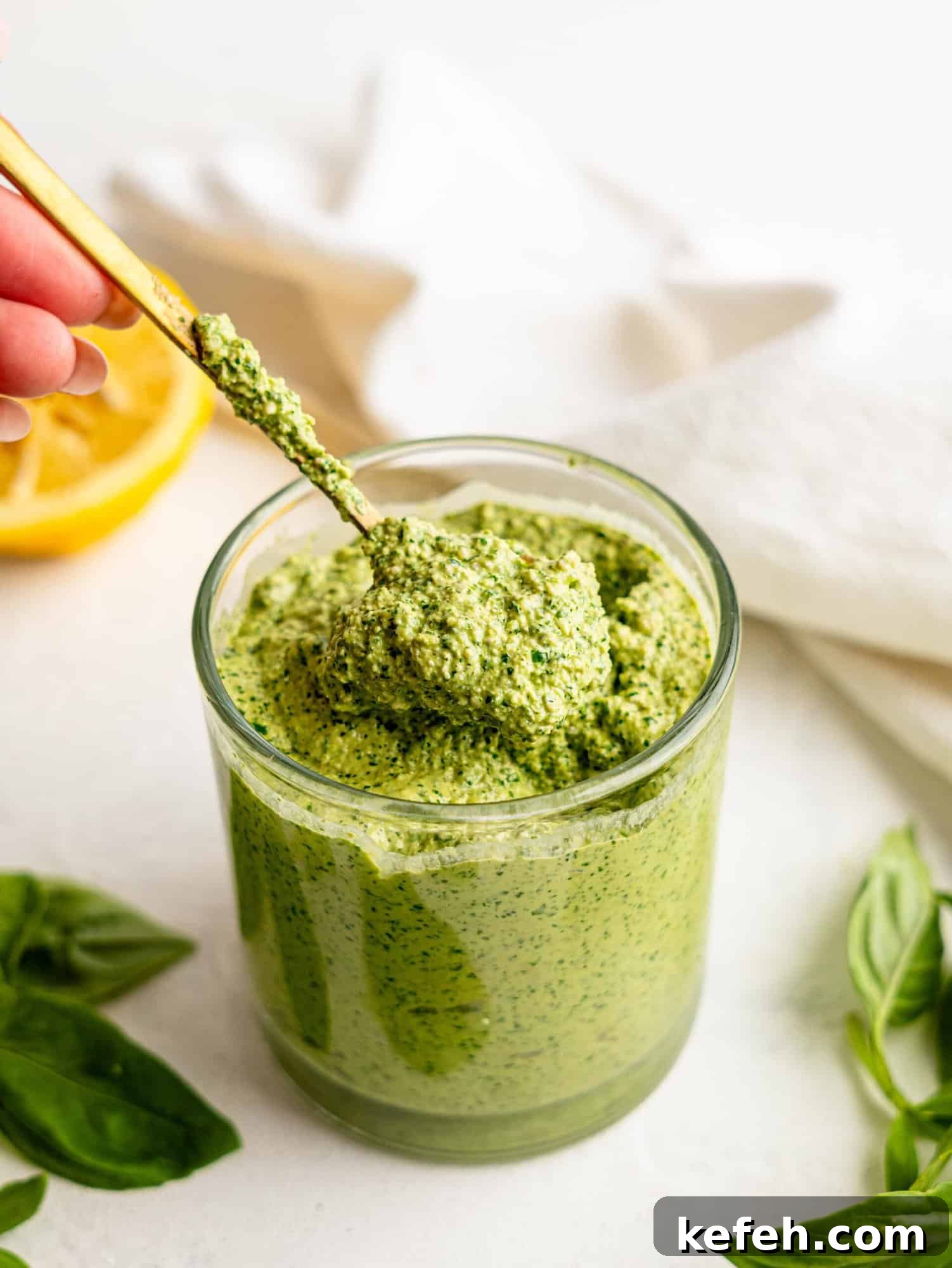
This sunflower seed pesto is for pesto lovers: ready in under five minutes, deeply flavorful, and wonderfully addictive. It’s an affordable, nut-free alternative to traditional pine nut pesto that makes a creamy, versatile sauce you’ll want to keep on hand.
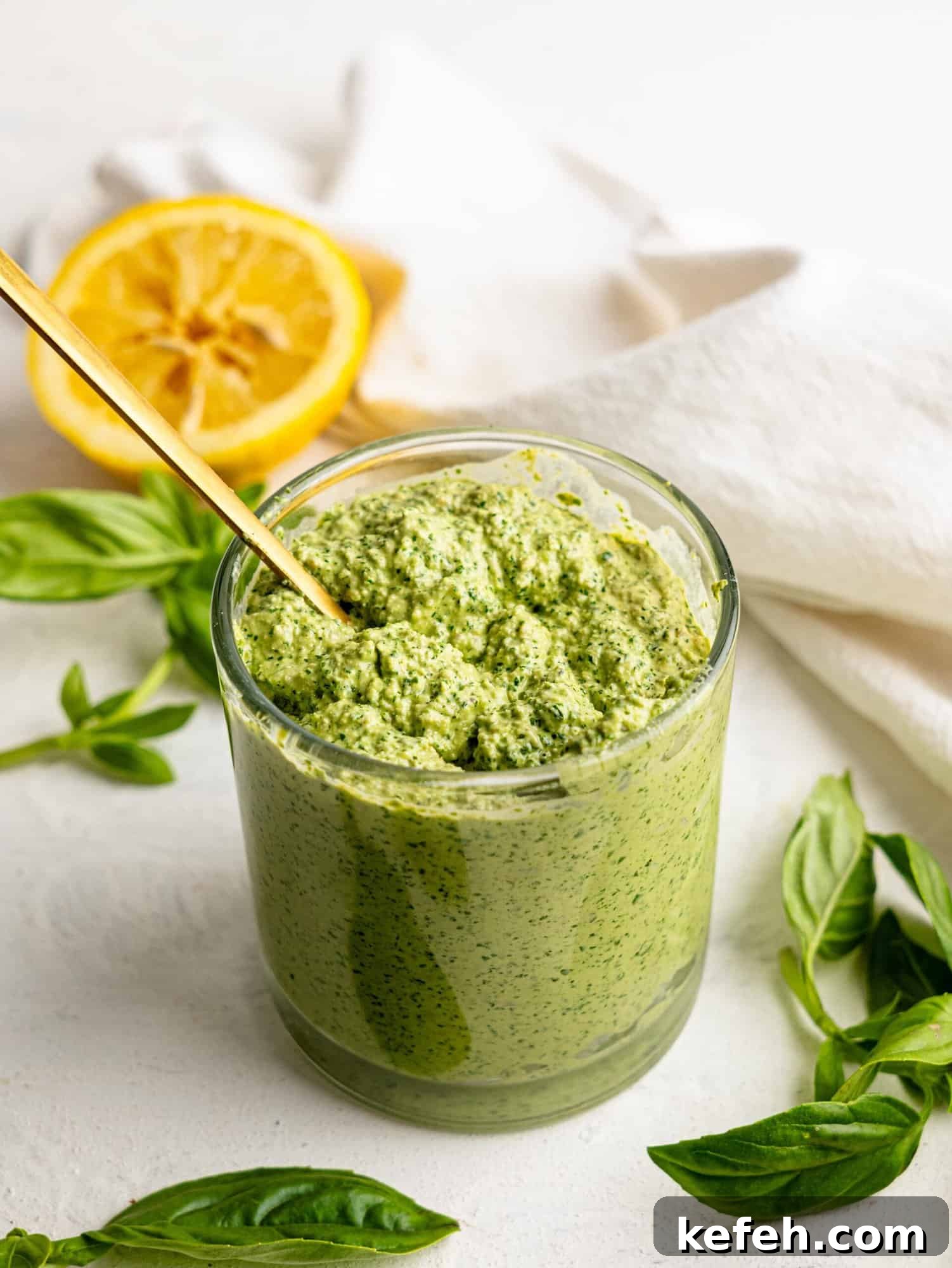
I love pesto—the aroma of basil, garlic, olive oil and lemon is irresistible and works with so many dishes. Whether tossed with pasta, stirred into couscous, spread on pizza, or used with fresh tomatoes and mozzarella, pesto elevates even simple meals. Store-bought jars can be pricey and small, so I make my own and prefer this sunflower seed version for its creaminess, cost savings, and ease.
Sunflower seeds are a cost-effective stand-in for pine nuts that produce a smooth, rich texture. After testing a few variations, I found the sunflower seed pesto rivals the traditional version in both flavor and creaminess. It’s become a staple in my kitchen, and I hope it will in yours too.
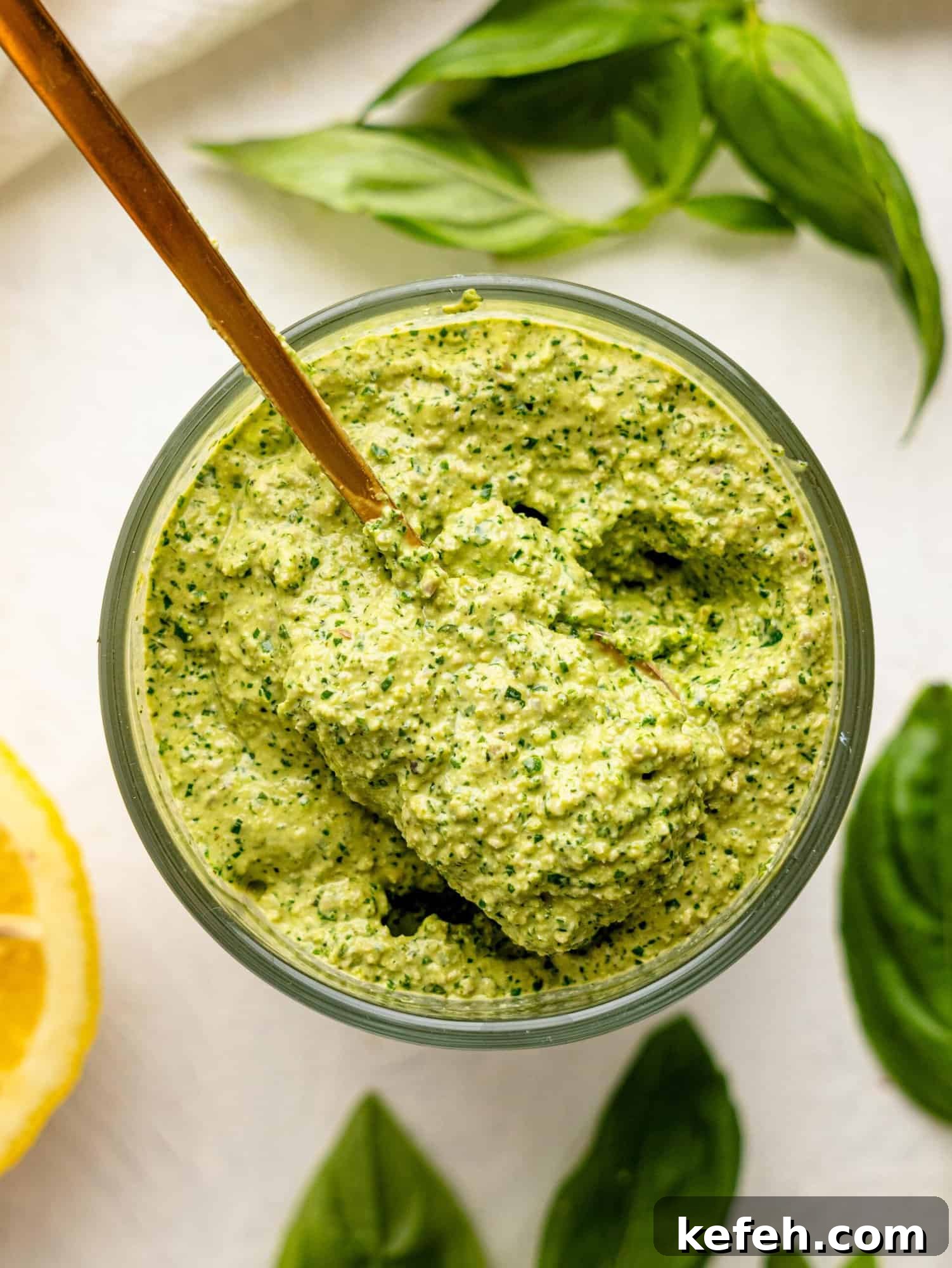
Why you’ll love this sunflower seed pesto
- Requires just a handful of simple ingredients.
- Ready in under five minutes.
- More affordable than store-bought pesto.
- Extremely versatile—great to keep in the fridge.
- Nut-free, making it suitable for those with tree nut allergies.
- Easily made dairy-free or vegan.
- Delicious and satisfying.
Ingredients and substitutions
Ingredients used in this recipe are straightforward. Exact measurements are shown in the recipe card below.
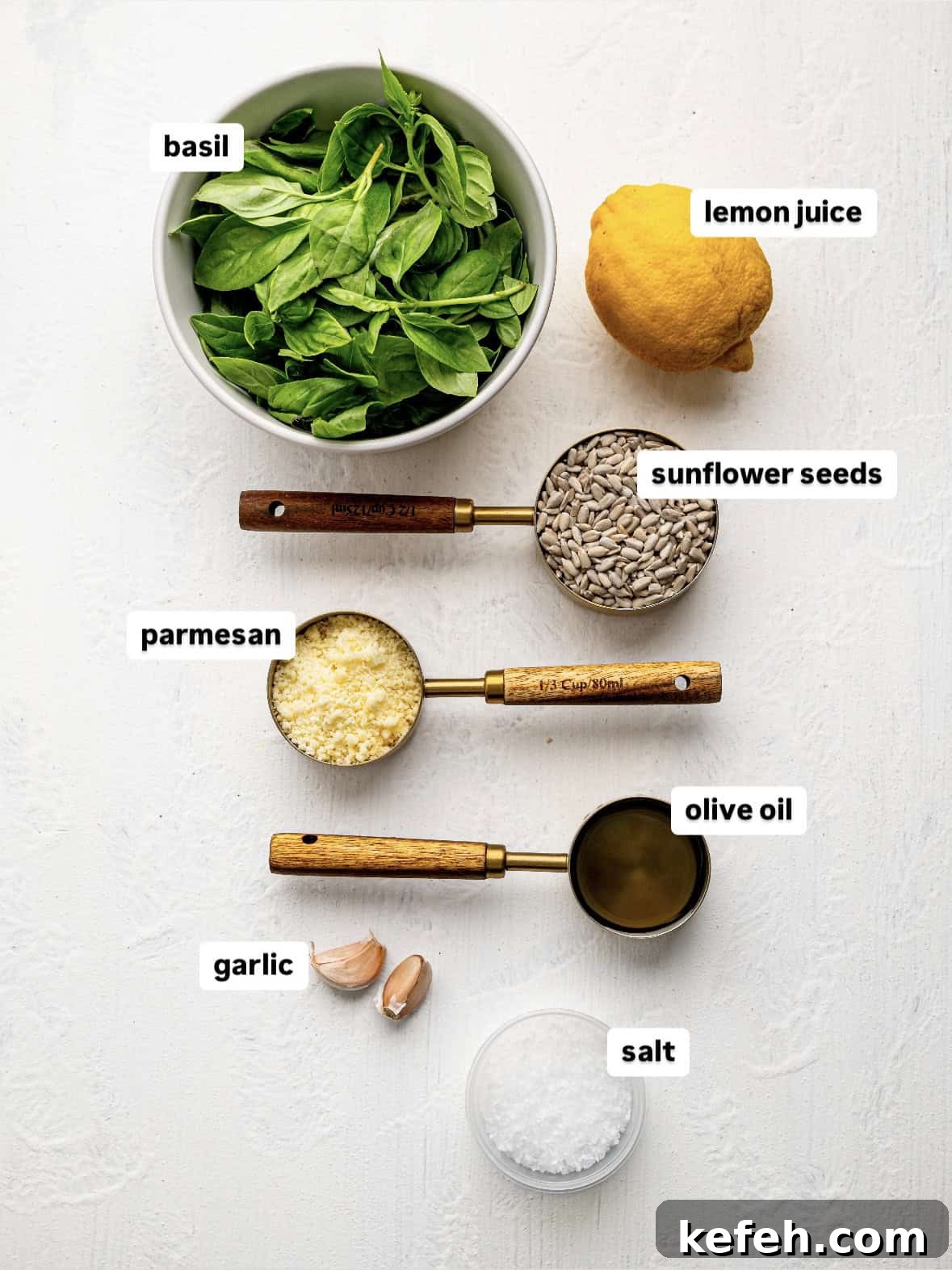
- Sunflower seeds – a budget-friendly substitute for pine nuts that gives a creamy, slightly nutty taste.
- Parmesan – adds salty, cheesy depth and helps bind the pesto. Swap with Grana Padano or Pecorino. For dairy-free or vegan versions, use a vegan Parmesan, nutritional yeast, or omit the cheese.
- Garlic – raw cloves give classic pesto bite; roast the garlic for a milder, sweeter note if preferred.
- Basil – fresh basil is traditional; you can also combine basil with parsley, cilantro, spinach, or kale for different flavor profiles.
- Extra virgin olive oil – enriches and emulsifies the pesto; substitute with avocado or grapeseed oil if desired, though flavor will vary.
- Lemon juice – brightens and balances the flavors.
- Salt – to taste; adjust carefully if your cheese is salty.
Dietary adjustments
This nut-free pesto adapts easily to many diets:
- Dairy-free/vegan: Use vegan cheese or nutritional yeast, or omit the cheese entirely.
- Nut-free: The recipe is naturally nut-free thanks to sunflower seeds.
- Gluten-free: The pesto itself is gluten-free—pair with gluten-free pasta or bread as needed.
- Low-carb/Keto: Low in carbs; use on zoodles, grilled meats, or keto-friendly pizzas.
- Paleo: Replace cheese with nutritional yeast and use high-quality extra virgin olive oil.
These simple swaps let nearly anyone enjoy the pesto while keeping its bright, herby character.
Health benefits of sunflower seeds
Sunflower seeds are nutritious and contribute more than flavor. Key benefits include:
- Healthy fats: Rich in polyunsaturated and monounsaturated fats that support heart health.
- Vitamin E: A potent antioxidant that supports skin health and immune function.
- Protein: A plant-based source of protein for muscle repair and sustained energy.
- Fiber: Aids digestion and promotes fullness, which can help with weight management.
- Selenium and minerals: Contribute to thyroid health, antioxidant defenses, and overall nutrition.
Adding sunflower seeds to pesto boosts both flavor and nutritional value, making meals more satisfying and nutrient-dense.
Equipment needed
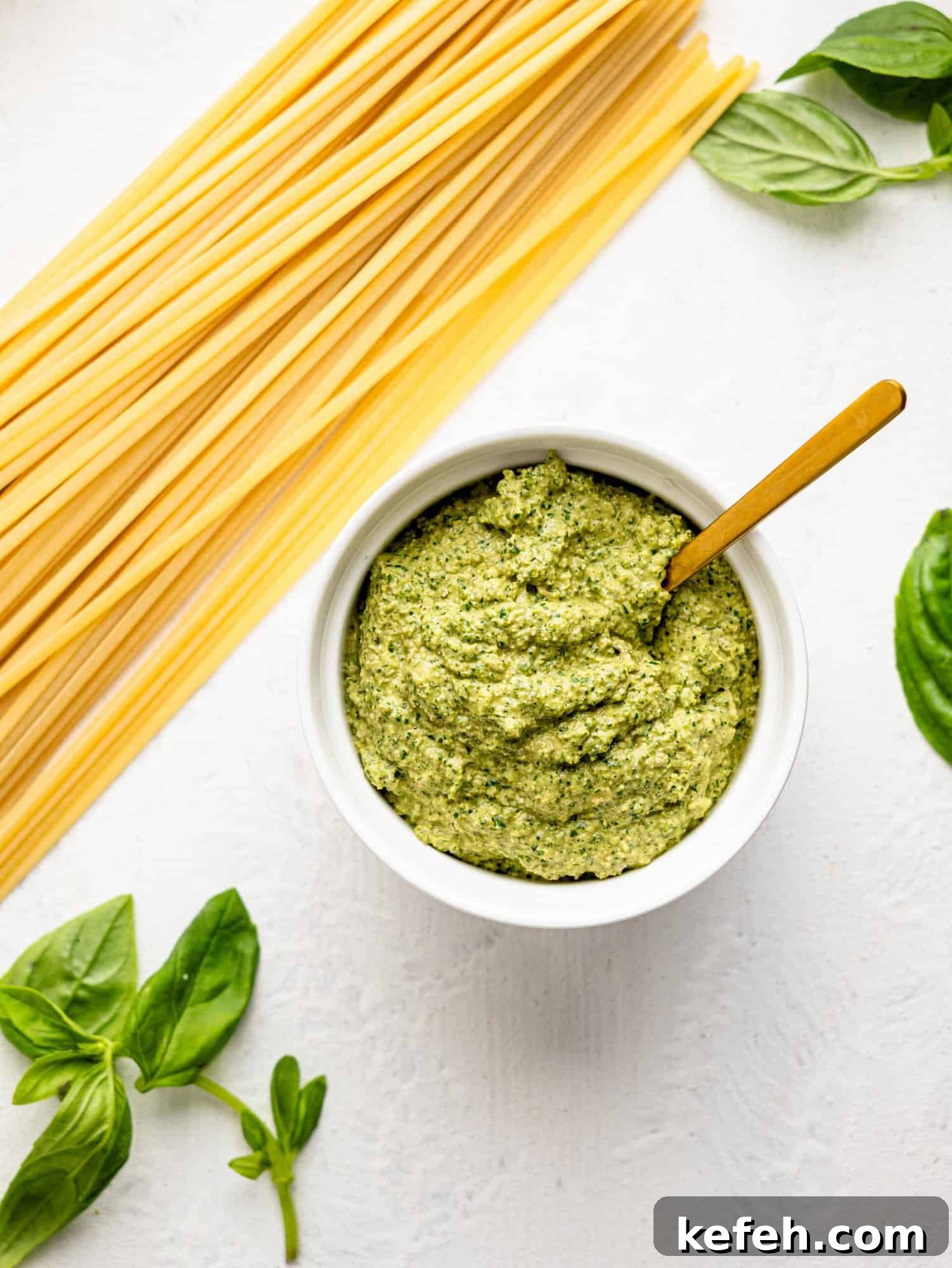
Basic tools make quick work of this pesto:
- Food processor or blender – for a smooth, creamy result; pulse for a chunkier texture.
- Measuring cups and spoons – for accurate proportions.
- Spatula – to scrape down the sides and incorporate everything evenly.
How to make sunflower seed pesto
This pesto comes together in minutes. Follow these simple steps:
Step One:
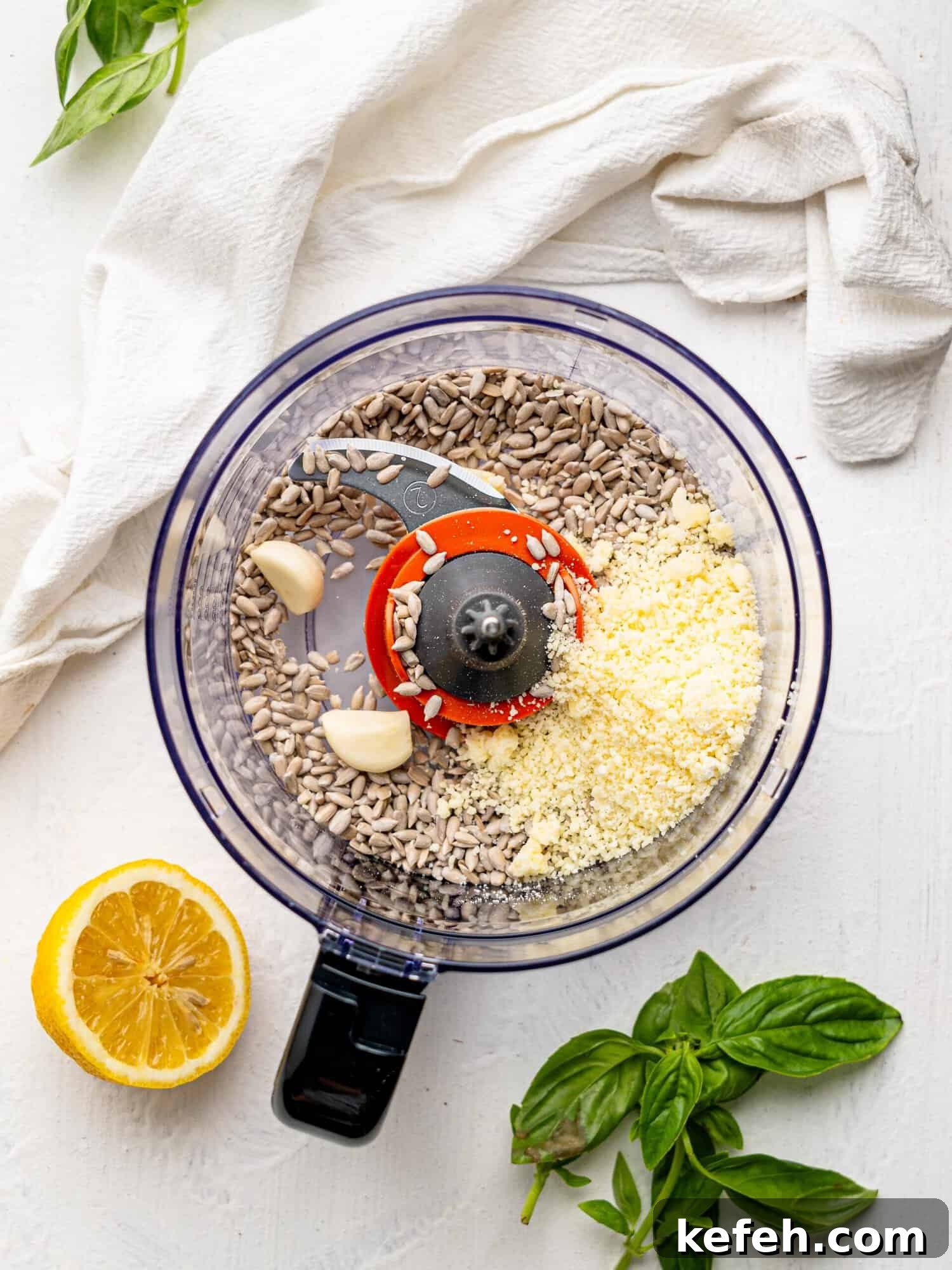
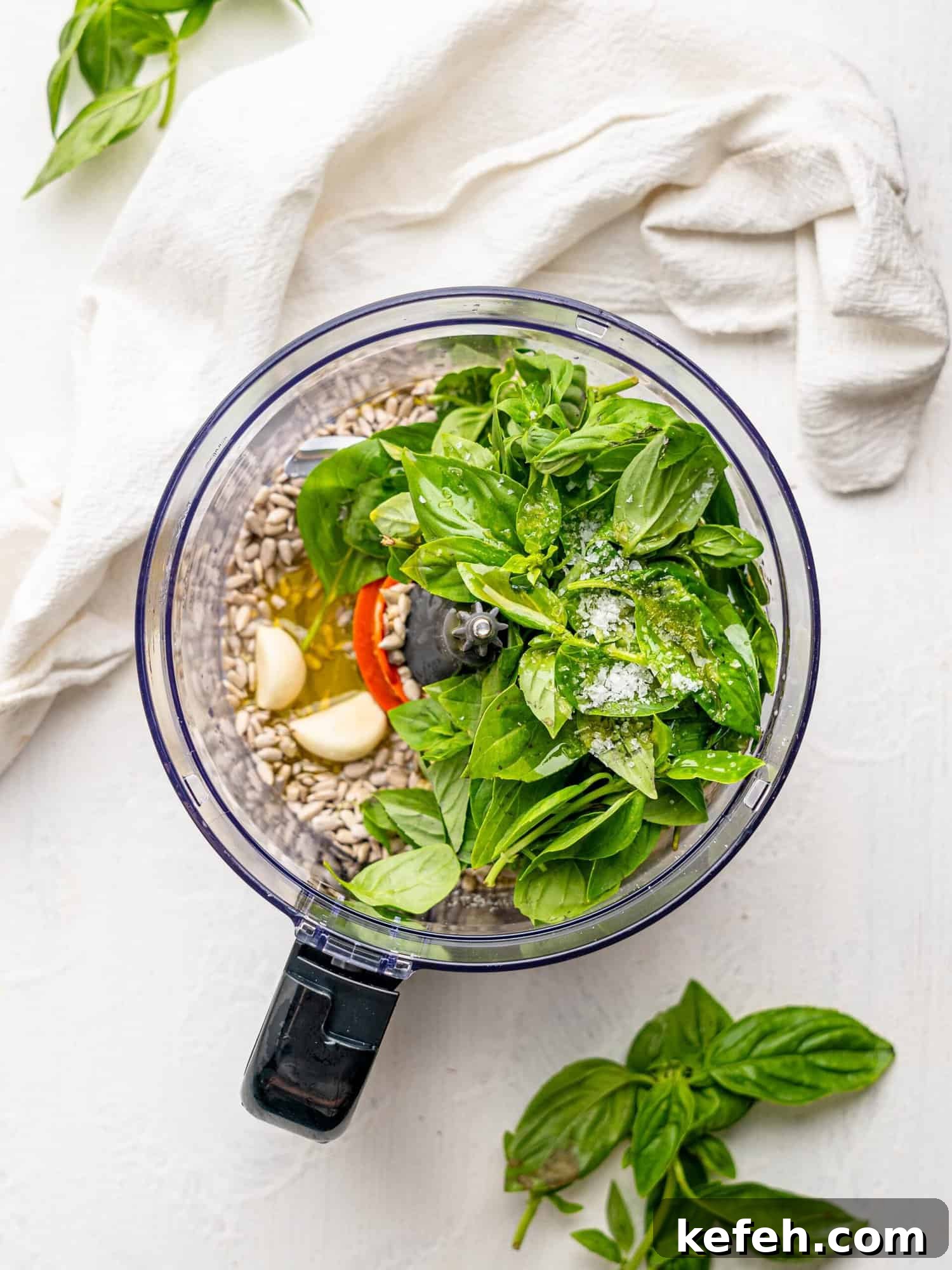
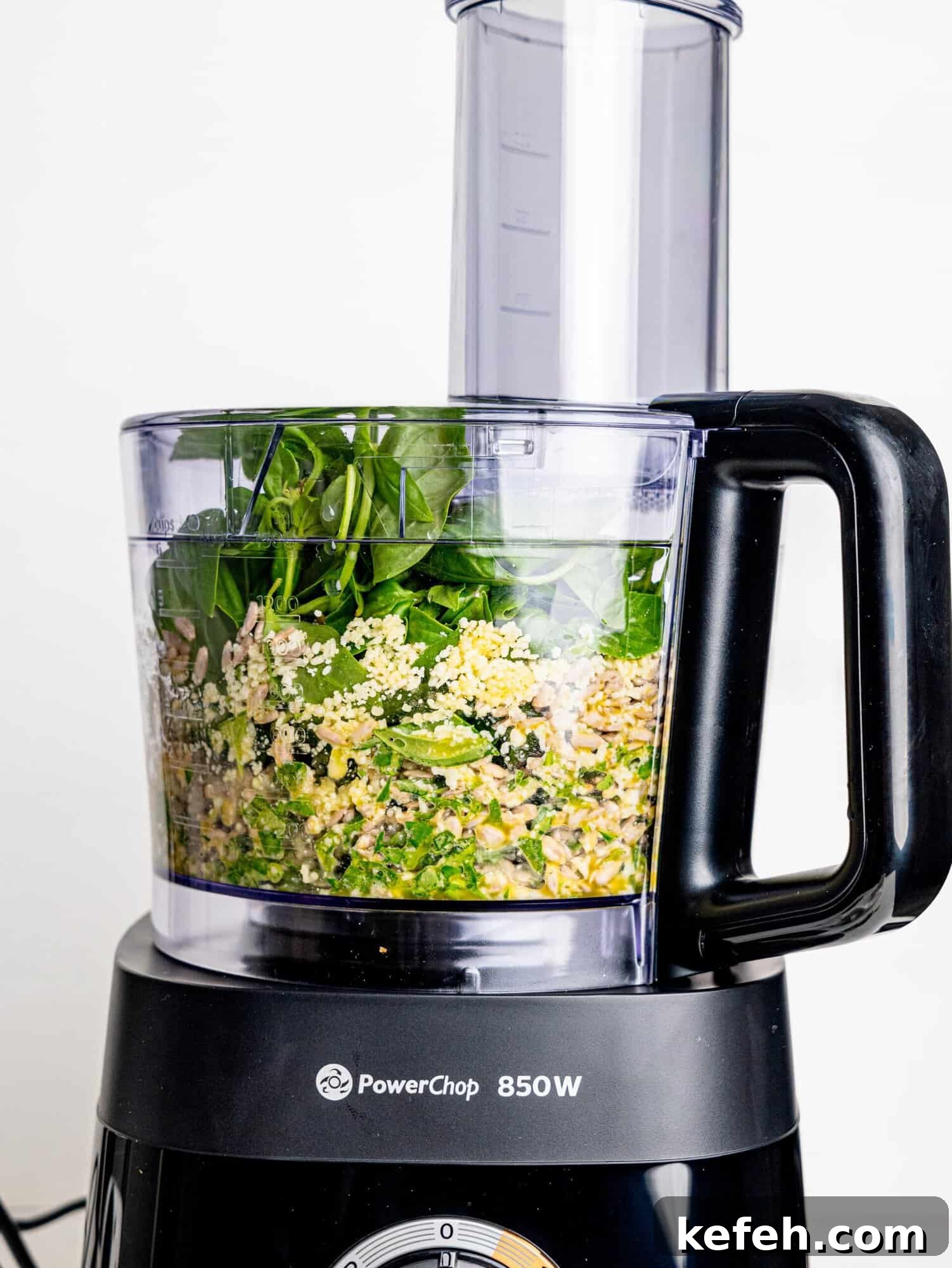
Combine sunflower seeds, Parmesan, garlic, lemon juice, basil, olive oil, and a generous pinch of salt in a food processor or blender.
Step Two:
Blend or pulse until you reach your desired consistency. Add a little water or extra olive oil to thin the pesto—start with a splash and adjust until it’s right.
Step Three:
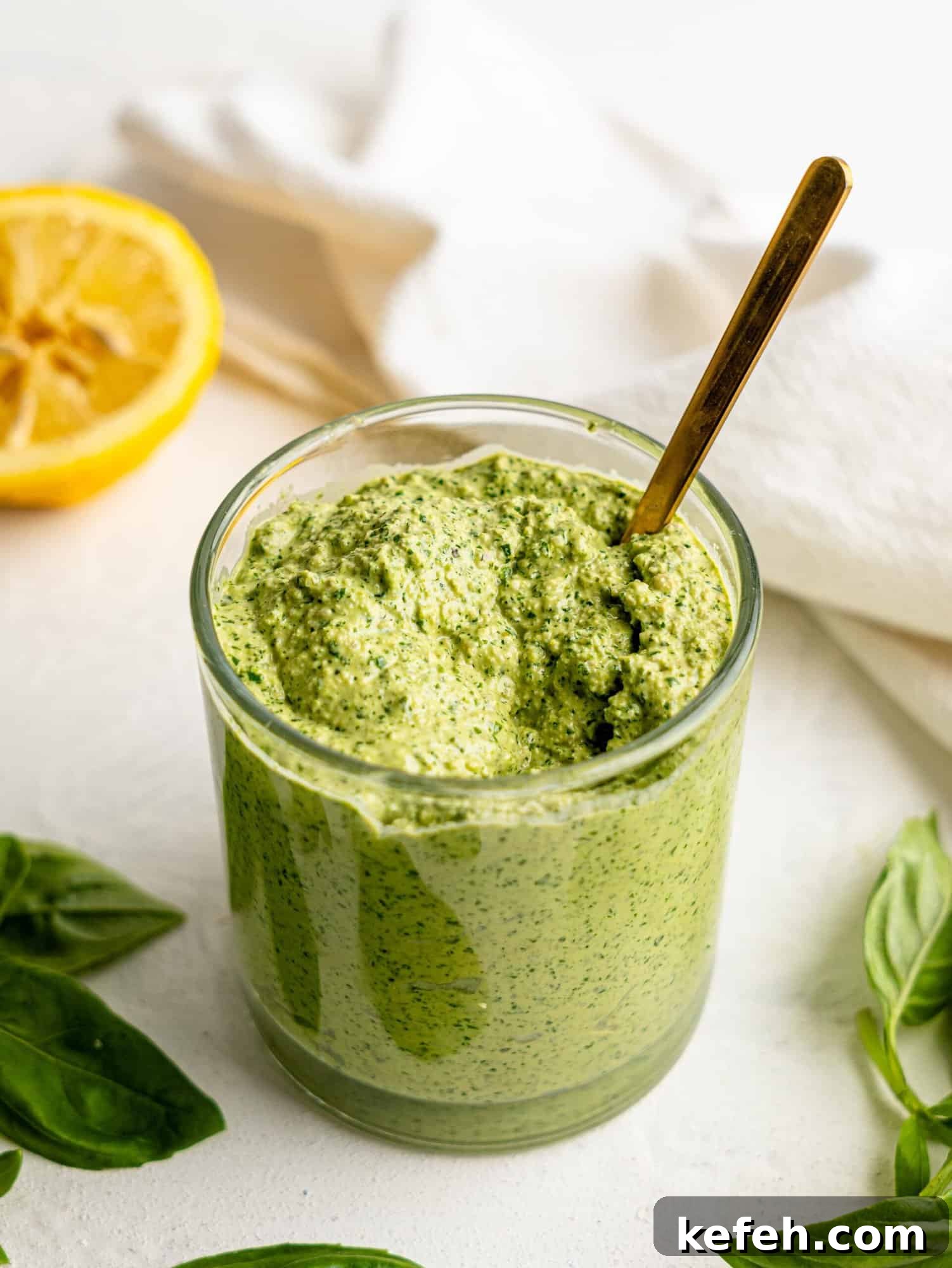
Taste and adjust salt and lemon juice to balance the flavor. Serve immediately or store for later.
Tips and notes
- Toast the seeds for a deeper, nuttier flavor—toast in a dry skillet until golden and fragrant, watching carefully so they don’t burn.
- Adjust consistency with water or olive oil to reach a runnier or thicker texture.
- Try different herbs such as parsley, cilantro, or mint, or add leafy greens like spinach for extra nutrients.
- Be cautious with salt if your Parmesan is salty—start small and adjust after blending.
These tips help you tailor the pesto to your tastes and ensure consistently great results.
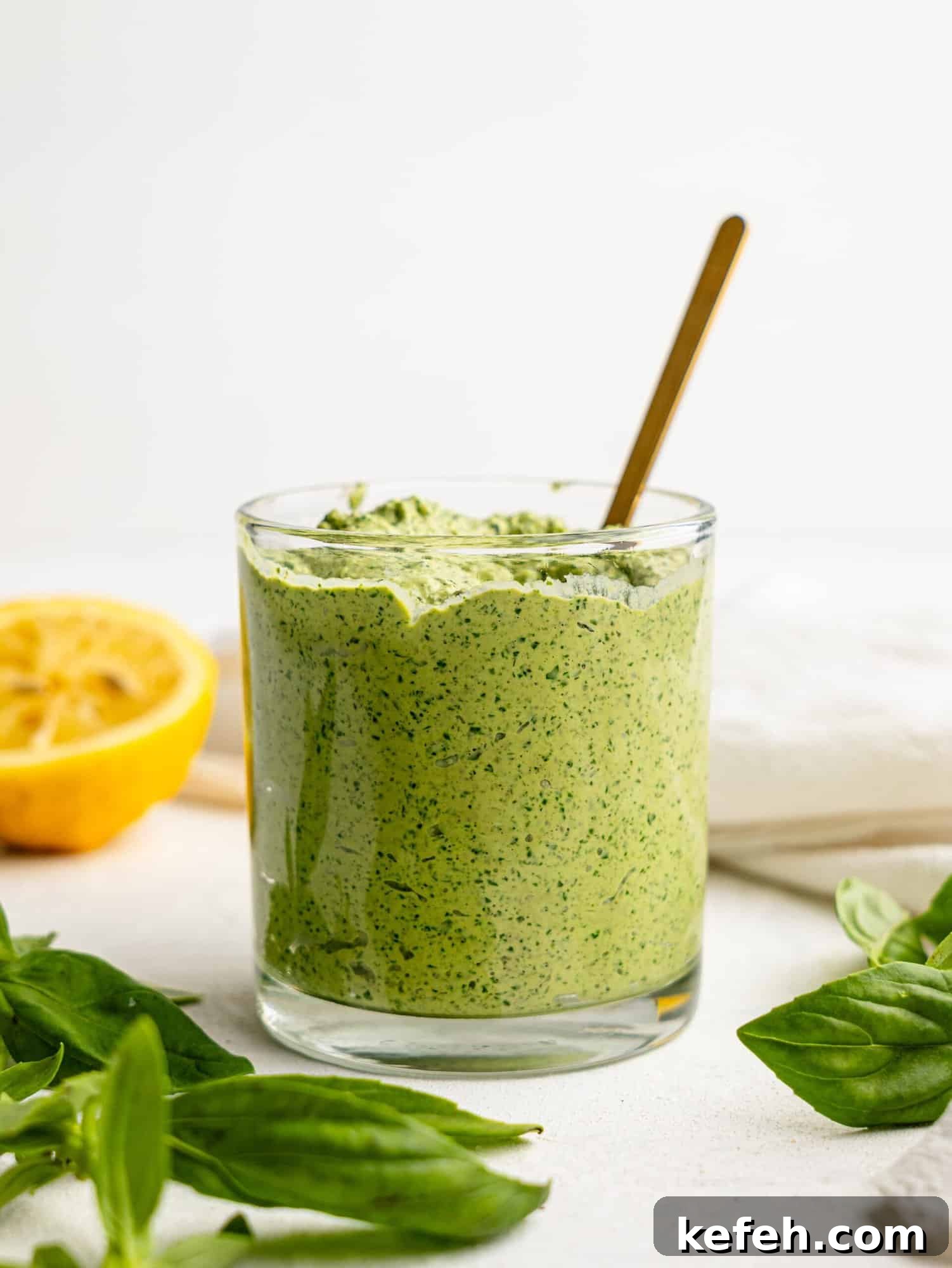
Serving ideas
This sunflower seed pesto pairs with many dishes:
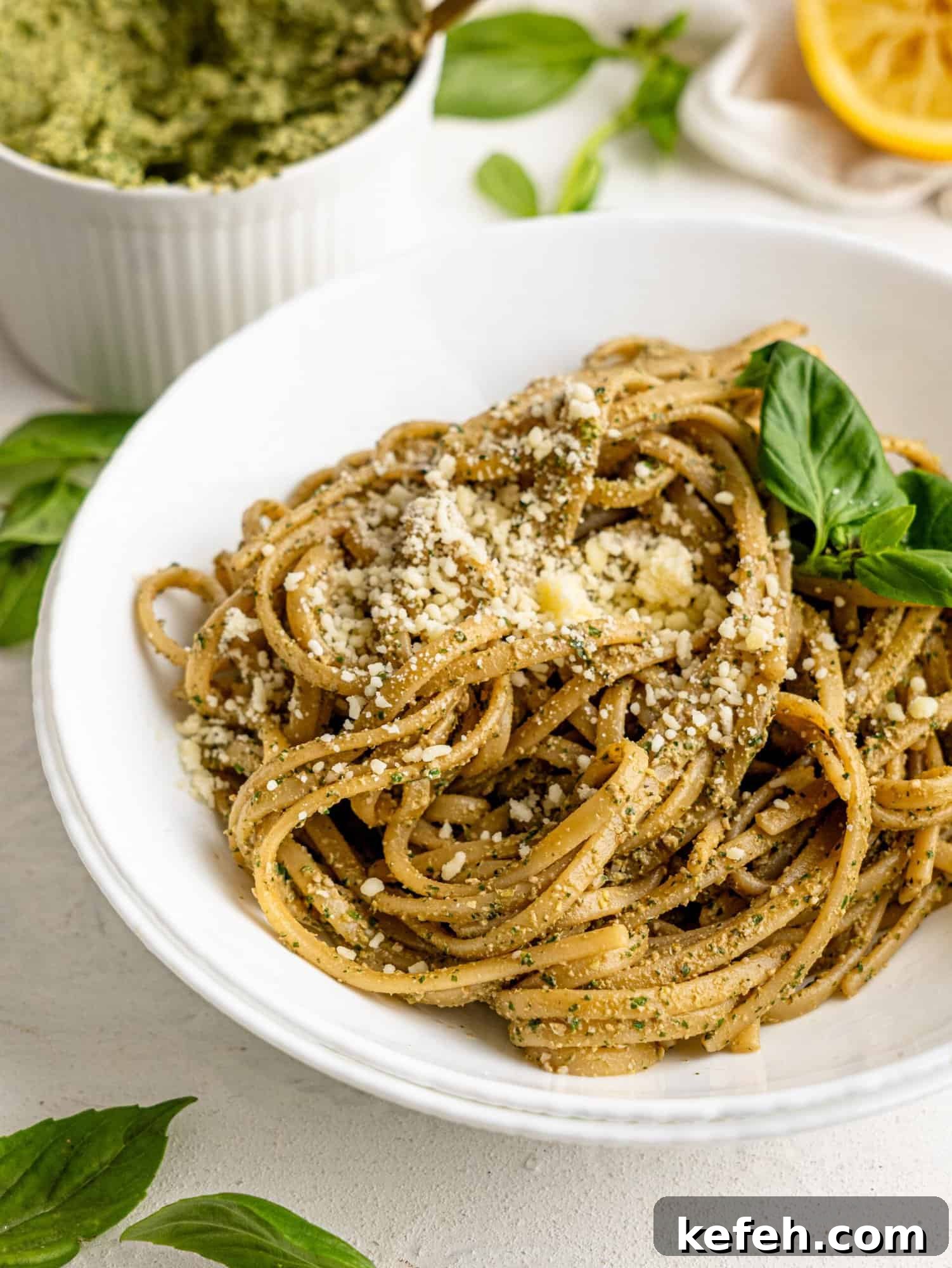
- Pasta: Toss with hot pasta or use on cold pasta salads. Try it with spaghetti, penne, or zucchini noodles for a lighter option.
- Sandwiches and wraps: Spread on bread or wraps to add herbaceous richness—especially good with grilled chicken, roasted vegetables, or fresh mozzarella and tomatoes.
- Pizza: Use as a base sauce for homemade pizza topped with mozzarella, cherry tomatoes, and extra Parmesan.
- Dips: Serve with crusty bread, crackers, or fresh vegetables for a flavorful appetizer.
- Salad dressing: Thin with olive oil or lemon juice and drizzle over greens or roasted vegetables.
- Grilled meats and fish: Spoon over cooked chicken, fish, or steak as a finishing sauce.
- Eggs: Stir into scrambled eggs, omelets, or frittatas for herby flavor.
- Roasted vegetables: Toss with roasted potatoes, asparagus, or cauliflower for a bright finish.
These serving suggestions show how easily this pesto can upgrade everyday meals.
Storage instructions
Refrigerate: Store pesto in an airtight container in the refrigerator for up to one week. Pour a thin layer of olive oil over the surface before sealing to help preserve color and freshness.
Freeze: Freeze pesto in ice cube trays, then transfer the frozen cubes to a freezer-safe bag or container. This makes it easy to thaw single portions. Frozen pesto keeps up to three months.
Thawing: Thaw in the refrigerator overnight or at room temperature for a few hours. If needed, gently warm in a small pan on low heat.
Refresh: If the pesto thickens after storage, stir in a bit of olive oil or water and adjust seasoning before serving.
FAQ
What can I use if I don’t have a food processor or blender?
A mortar and pestle works well but takes more time and effort. Finely chop the ingredients first and pound them gradually to achieve a similar texture.
Is pesto healthy?
Pesto can be part of a healthy diet in moderation: it contains nutrient-rich basil, garlic, and olive oil. However, it is calorie-dense due to oil and seeds or nuts—use it sensibly or adjust ingredients to fit your needs.
What are the health benefits of sunflower seeds?
Sunflower seeds provide healthy fats, vitamin E, protein, fiber, magnesium and selenium, all contributing to heart, immune, and digestive health.
Can I use a different oil instead of olive oil?
Yes. Avocado oil or grapeseed oil are suitable alternatives, though each will slightly change the pesto’s flavor.
Do I need to add Parmesan?
Parmesan adds salt and umami and helps bind the pesto, but you can replace it with nutritional yeast or a vegan cheese, or omit it for a dairy-free version.
If you make this recipe, please leave feedback and a rating in the comments below—I’d love to hear how you used it and see your photos!
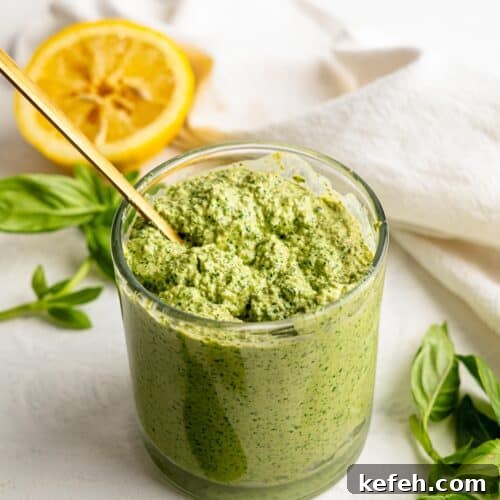
Sunflower Seed Pesto
Equipment
- Blender or Food Processor
Ingredients
- ½ cup Sunflower Seeds (50g)
- 2 Garlic Cloves
- ¼ cup Parmesan (30g)
- 2 tbsp Lemon Juice
- 2 cups Fresh Basil (80g)
- ¼ cup Olive Oil (55g)
- Salt to taste
Instructions
- In a food processor or blender, combine the sunflower seeds, Parmesan, garlic, basil, olive oil, lemon juice, and a generous pinch of salt.
- Blend or pulse until you reach your desired consistency. Add water or more olive oil if needed to thin the pesto to your liking.
- Taste and adjust seasoning with additional salt or lemon juice if necessary.
- Serve immediately or store in an airtight container in the refrigerator for up to one week.
Video
Notes
- Toast for flavor: Lightly toast sunflower seeds to deepen the flavor.
- Consistency: Adjust with water or olive oil for a thinner pesto.
- Storage: Preserve freshness by covering the surface with olive oil before sealing.
- Freezing: Freeze in ice cube trays for convenient single portions.
- Customization: Swap basil for parsley or cilantro for a different twist.
Nutritional info:
Nutrition values are approximate and depend on exact ingredients and portions used.
Nutrition
Leave a rating and a comment below. Tag me on Instagram @Nourishing.Niki and use #NourishingNiki if you share a photo.
Let me know in the comments below if you make this sunflower seed pesto!