This post may contain affiliate links, please visit our privacy policy for details.
Tempering chocolate may seem daunting, but it’s a useful technique that transforms homemade confections. Properly tempered chocolate will be shiny, snap cleanly, and melt smoothly on the tongue, giving your candies a professional finish.
Understanding Chocolate Types
Before tempering, it helps to know the main chocolate varieties you’ll encounter:
- Dark Chocolate: With higher cocoa content (typically 50% or more) and less milk, dark chocolate has an intense flavor and is usually the easiest to temper.
- Milk Chocolate: Contains cocoa butter, milk powder and sugar. It’s slightly more forgiving than dark chocolate but still benefits from careful temperature control.
- White Chocolate: Made from cocoa butter, milk powder and sugar but no cocoa solids. It’s the most delicate to temper and can seize or become grainy without proper handling.
Always use real, high-quality chocolate (not candy melts or baking chips) for best tempering results.
Why Temper Chocolate?
Tempering reorganizes the fat crystals in chocolate by controlled heating and cooling, producing chocolate with the desirable properties home chocolatiers seek:
- Glossy Finish: Properly tempered chocolate has a smooth, shiny surface.
- Snap: It breaks with a clean, satisfying snap rather than bending or crumbling.
- Smooth Melt: Tempered chocolate melts evenly in the mouth for a luxurious texture.
Save This For Later!
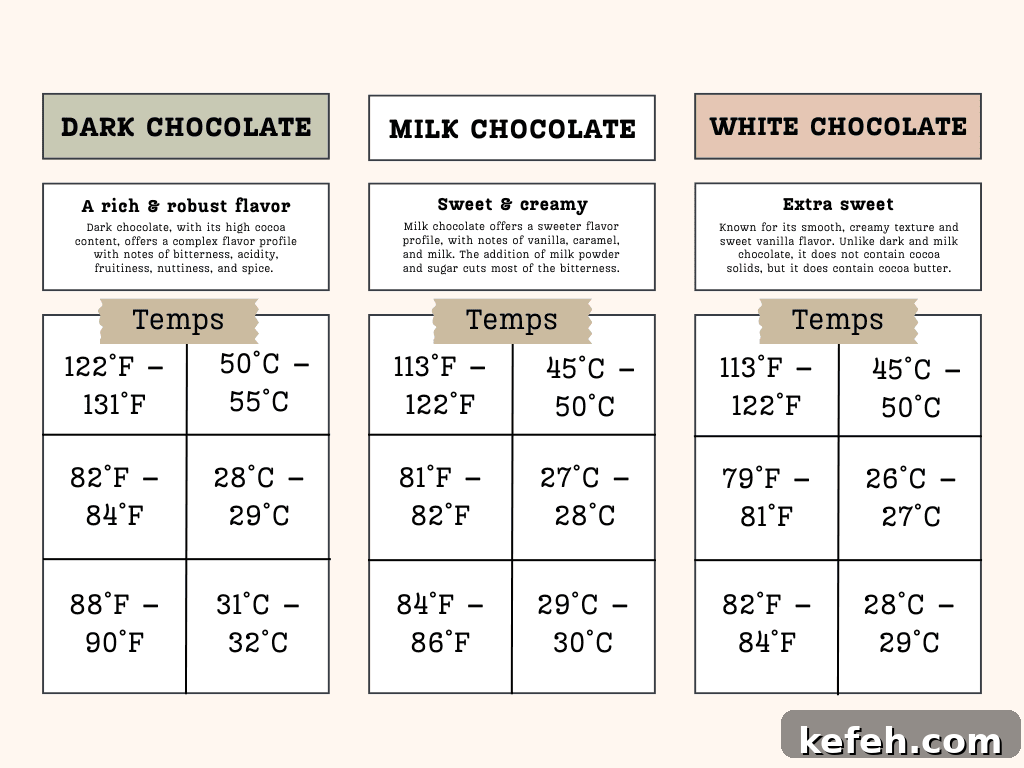
We created a simple tempering chart to keep on hand while you work. Save it to your device and refer to it during future tempering sessions.
Different Tempering Methods
There are several reliable ways to temper chocolate. Each method has pros and cons, so choose the one that fits your batch size and equipment.
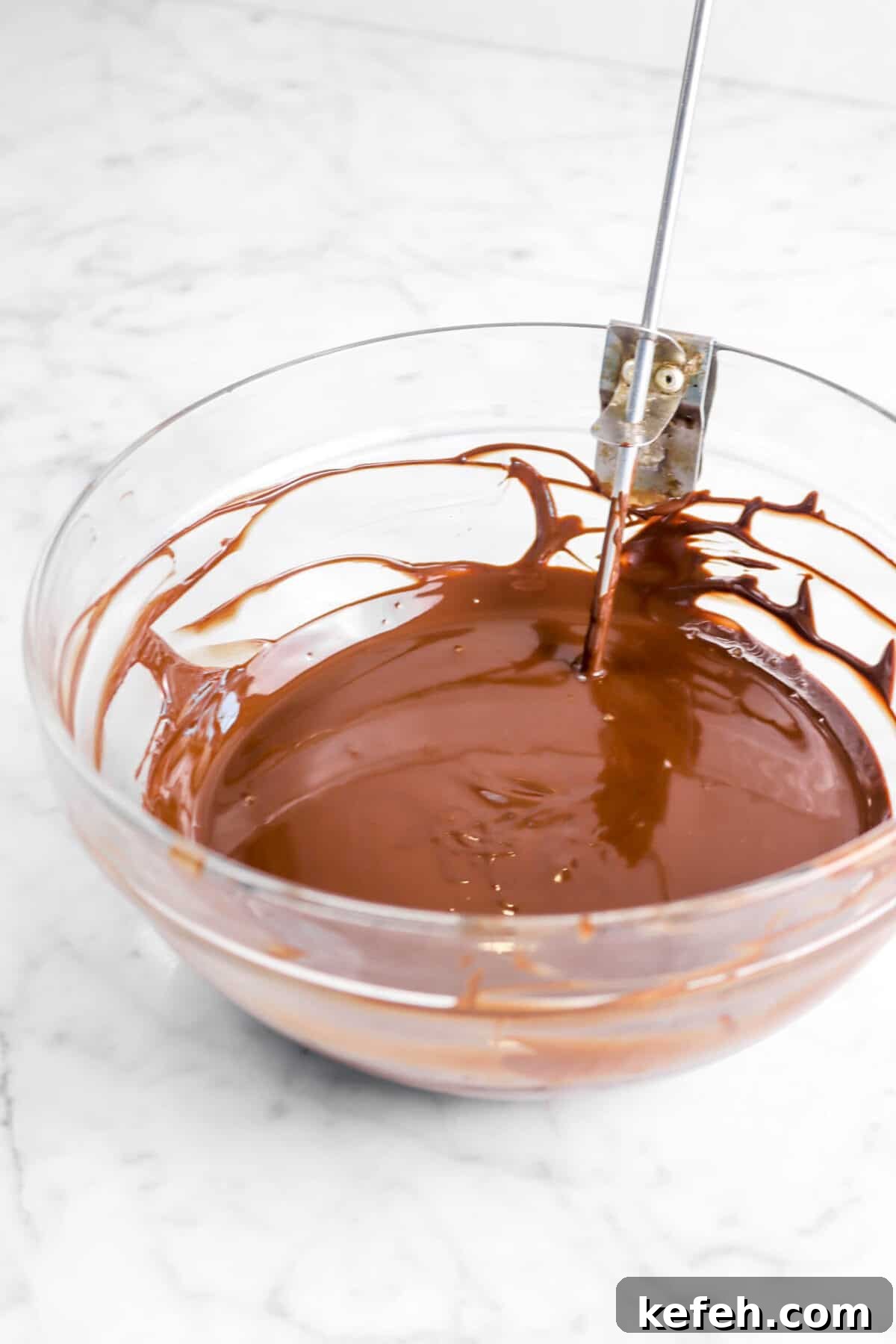
1. Bain-Marie Method (recommended)
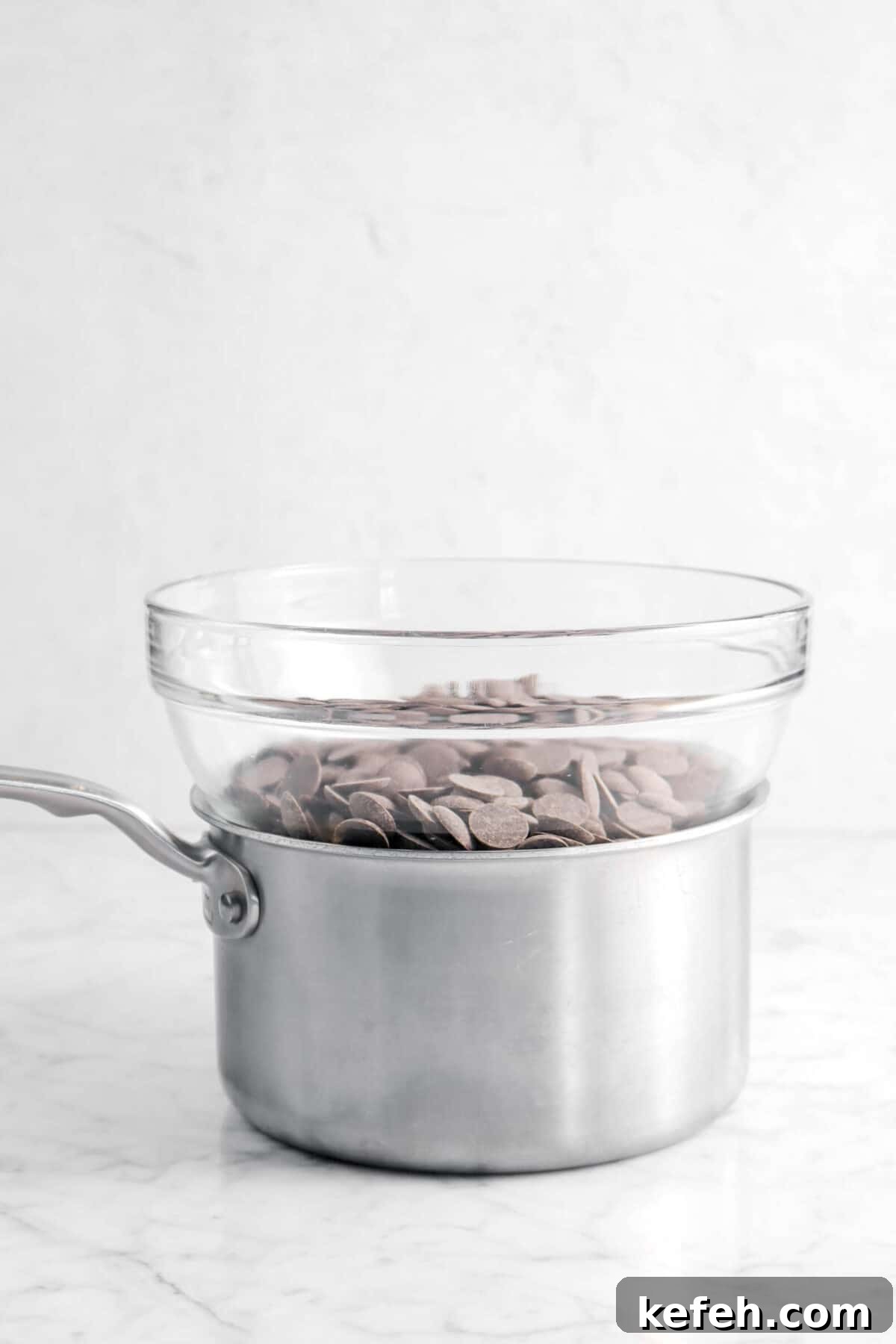
The bain-marie, or double boiler, method gently heats chocolate and allows controlled cooling and reheating. Typical steps:
- Melt the chocolate: Place chopped chocolate in a glass bowl over a pot of simmering water. Stir until melted and it reaches the target temperature for your chocolate type (refer to your chart).
- Cool the chocolate: Remove the bowl from heat and stir to lower the temperature to the tempering range required.
- Reheat slightly: Return the bowl briefly to warm water to raise the chocolate to the final working temperature, then keep it at that temperature while you work.
2. Seed Chocolate Method
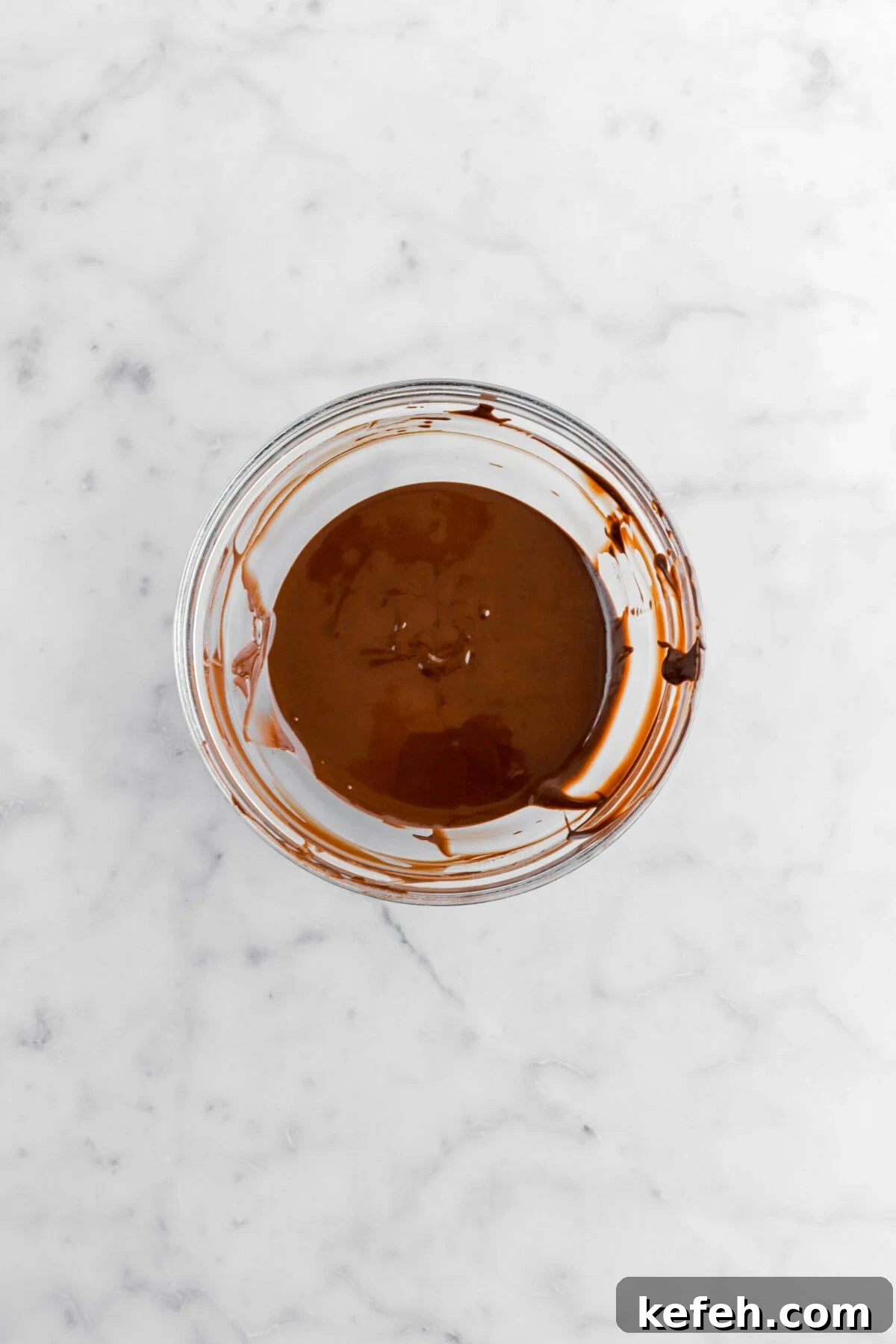
The seed method is versatile and works well for all chocolate types. Steps:
- Melt the chocolate: Gently melt the bulk of the chocolate while keeping it below the maximum recommended temperature.
- Add seed chocolate: Stir in finely chopped, already-tempered chocolate (the “seed”) to the melted chocolate. A modest amount is usually enough.
- Stir and cool: Stir continuously as the seed melts and lowers the overall temperature into the tempering range.
- Bring to working temperature: Warm slightly if needed to reach the final working temperature before use.
3. Tabling Method
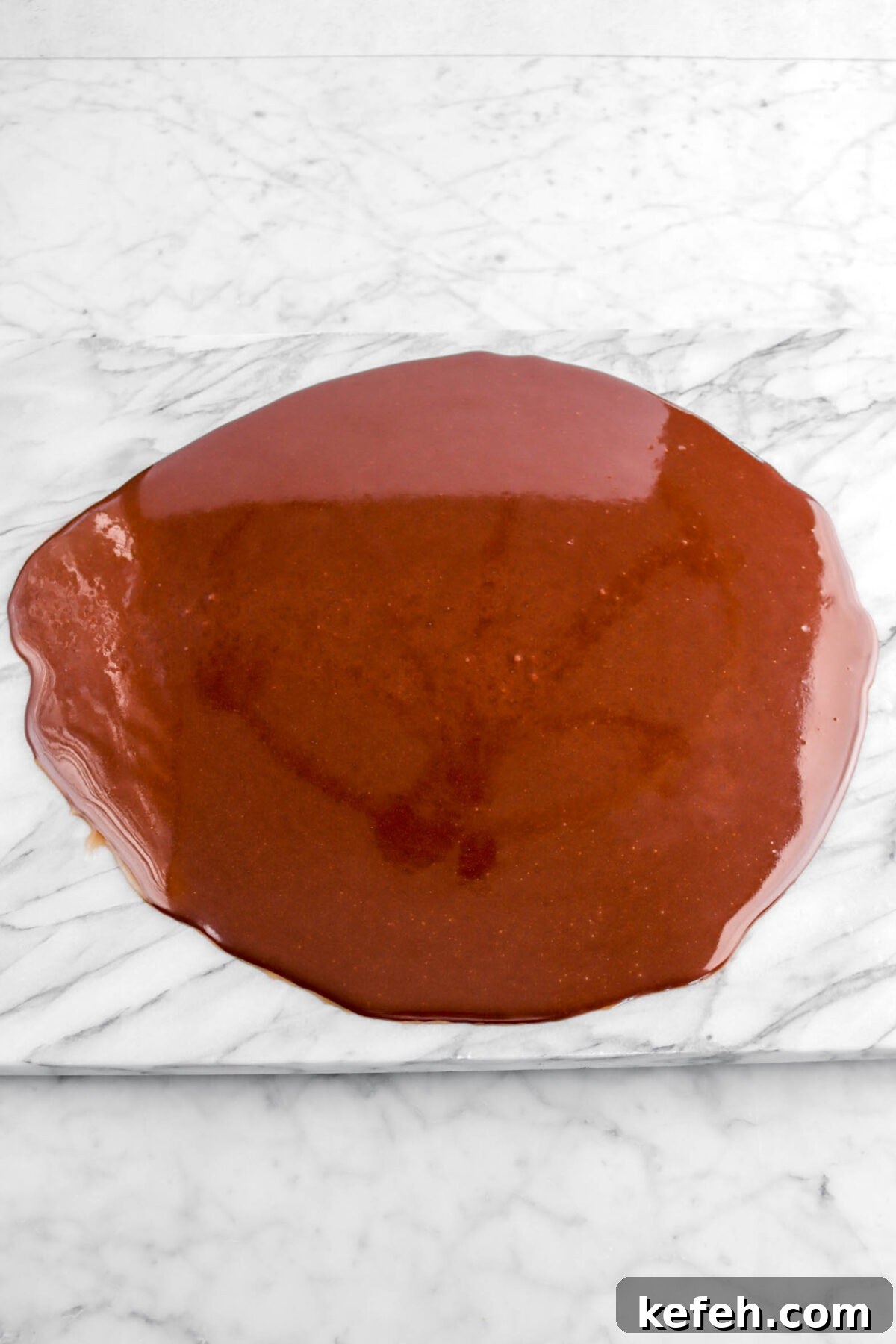
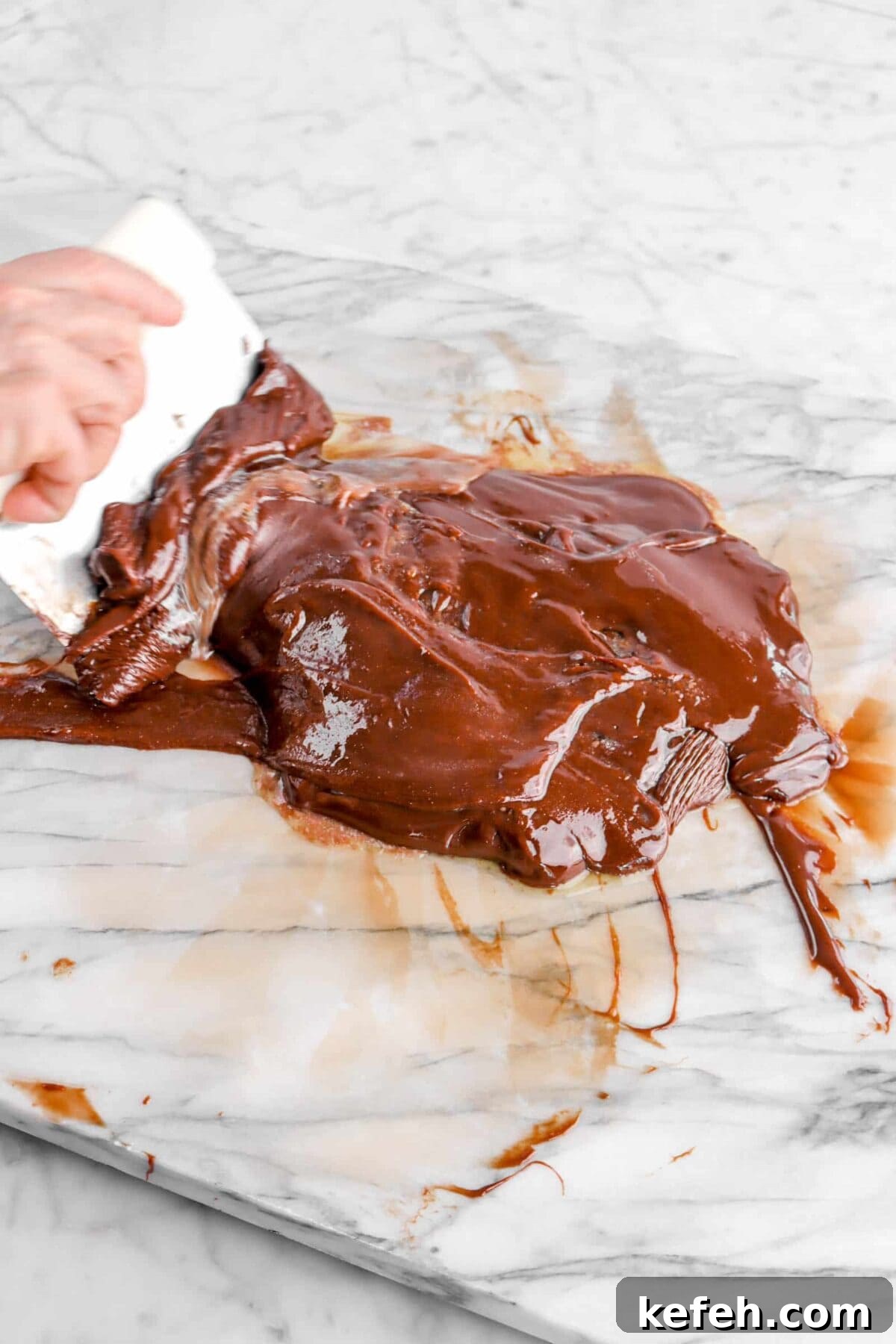
Tabling is a hands-on technique suited to small batches and is popular for dark chocolate. Process:
- Melt the chocolate: Melt using a microwave or bain-marie, keeping temperatures within safe limits.
- Spread on a cool surface: Pour the melted chocolate onto a cool, clean marble or stainless-steel surface.
- Spread and scrape: Work the chocolate with a metal spatula, spreading and scraping until it thickens and cools into temper.
- Reheat slightly: Return the chocolate to the bowl and warm gently to its working temperature before using.
Let’s Talk Tempering Machines
For repeatable, hands-off tempering—especially at larger volumes—tempering machines provide precise temperature control. They melt and cool chocolate in a controlled way, circulating it between warm and cool zones and using sensors to maintain the correct crystalline structure.
How Tempering Machines Work
Typical tempering machines include a heated tank and a cooling tank. The machine melts chocolate, circulates it to promote crystal formation, and uses thermostats and sensors to cycle heating and cooling to keep chocolate within the ideal tempering range.
Benefits of Using a Tempering Machine
- Consistent results: Precise temperature control produces uniform temper across batches.
- Time-saving: Automation reduces hands-on time so you can focus on filling and decorating.
- Less waste: Machines lower the risk of seizing and reduce spoiled batches.
- Versatility: Many machines handle dark, milk and white chocolate.
- User-friendly: Modern units include simple controls and displays for easy operation.
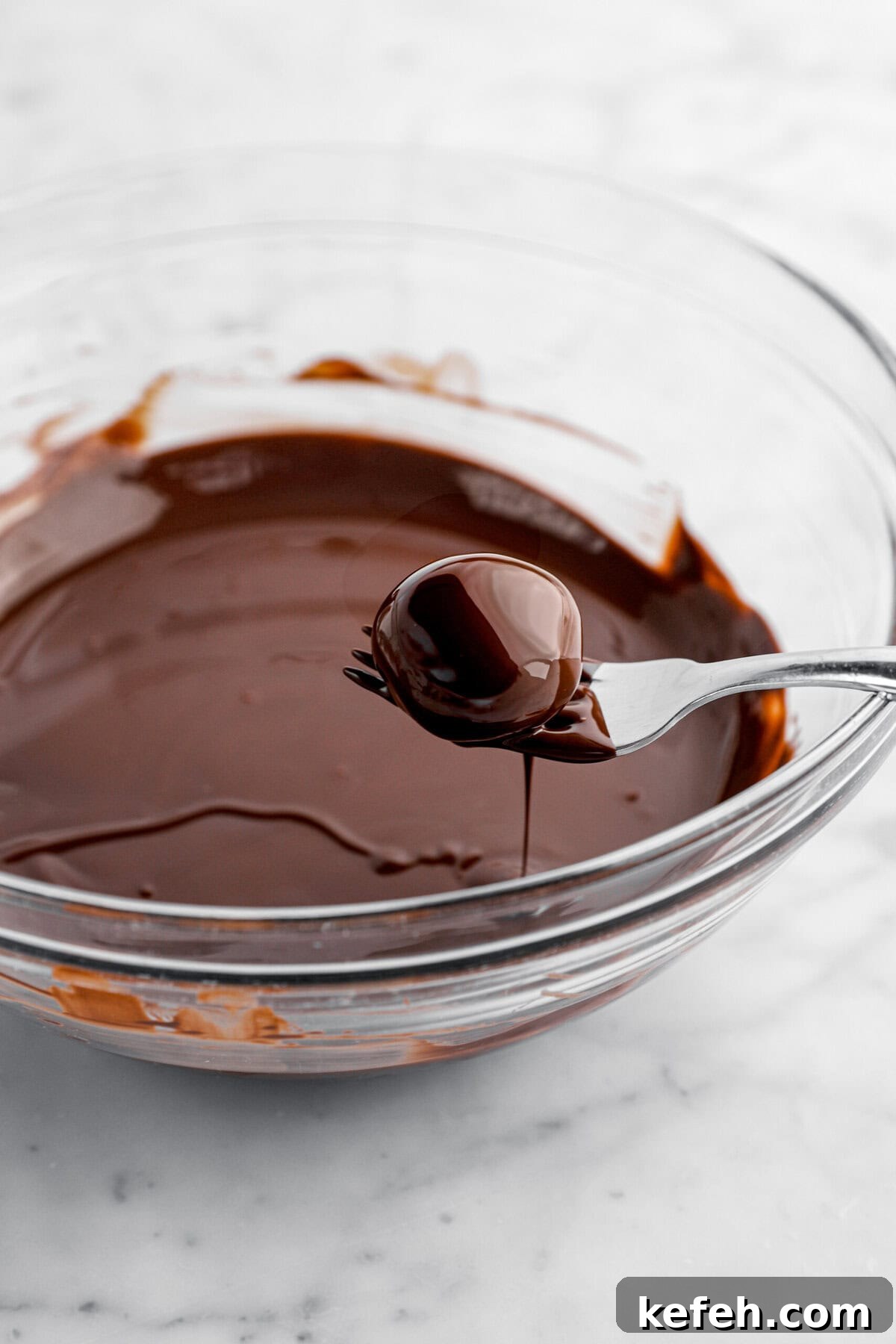
Tips for Successful Tempering
- Use a thermometer: Accurate temperatures are essential, so use a reliable digital thermometer.
- Keep it dry: Any moisture will cause chocolate to seize. Make sure bowls, utensils and work surfaces are completely dry.
- Work efficiently: Use tempered chocolate promptly; it can lose temper if left to cool for too long.
- Practice: Tempering improves with repetition—don’t be discouraged by early attempts.
What Should I Do With Excess Tempered Chocolate?
If you have leftover tempered chocolate, you can save it to use later as seed chocolate. Proper storage preserves its temper and usefulness:
- Cool completely: Pour tempered chocolate into a clean, dry airtight container and let it harden fully.
- Store in a cool, dark place: Keep it in a pantry or cabinet away from sunlight and heat.
- Avoid refrigeration: Fridge storage can dry chocolate and cause texture changes; room temperature is best for tempered chocolate.
Using Stored Tempered Chocolate as Seed Chocolate:
When ready to use stored tempered chocolate, break off small pieces and stir them into freshly melted chocolate. The tempered pieces act as seed crystals that help stabilize the new batch.
Important Notes:
- Reheat gently: Avoid direct high heat. Warm stored chocolate slowly over a double boiler or on a very low microwave setting to preserve its crystal structure.
- Watch for bloom: If stored chocolate shows white streaks or spots (bloom), it indicates fat or sugar migration; discard if taste or texture seems off.
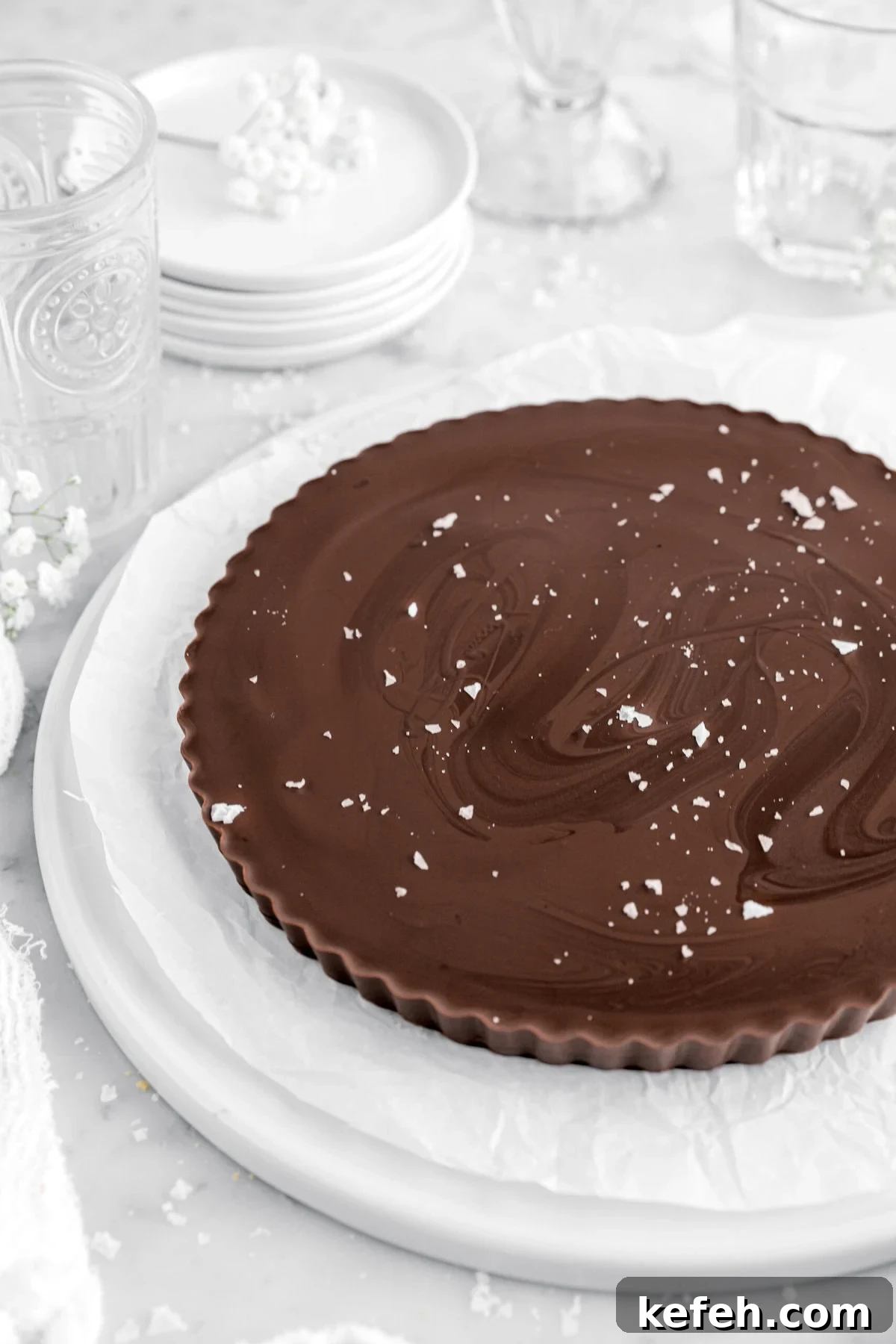
Ready For More? 10 Favorite Chocolate Candy Recipes:
❶. Snickers Bars
These homemade Snickers bars are creamy, chewy and far better than store-bought versions.
❷. Raspberry Truffles
Fruity, sweet and easy — these raspberry white chocolate truffles are a simple holiday treat.
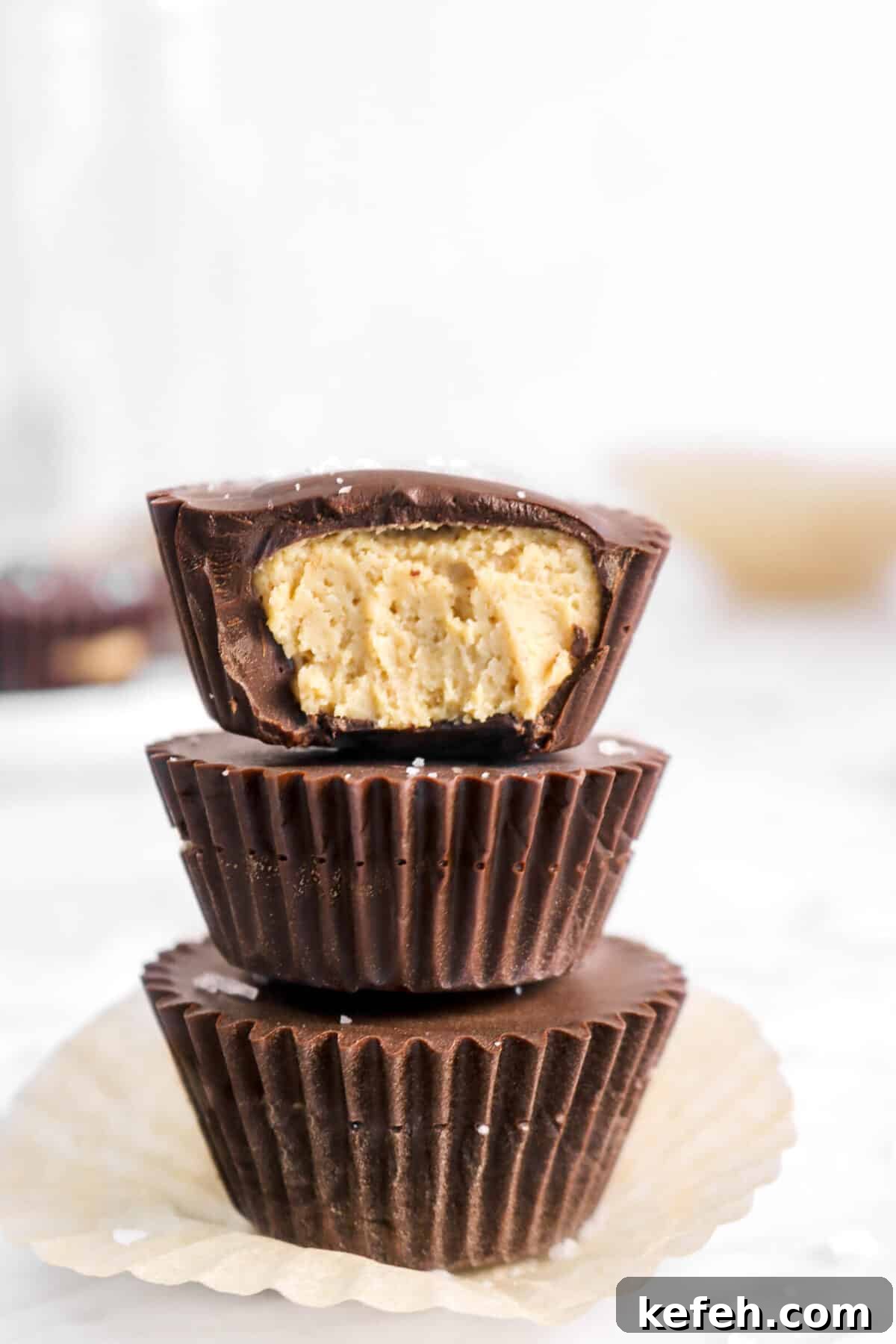
❸. Peanut Butter Cups
Rich chocolate and peanut butter create homemade cups that outshine store-bought ones.
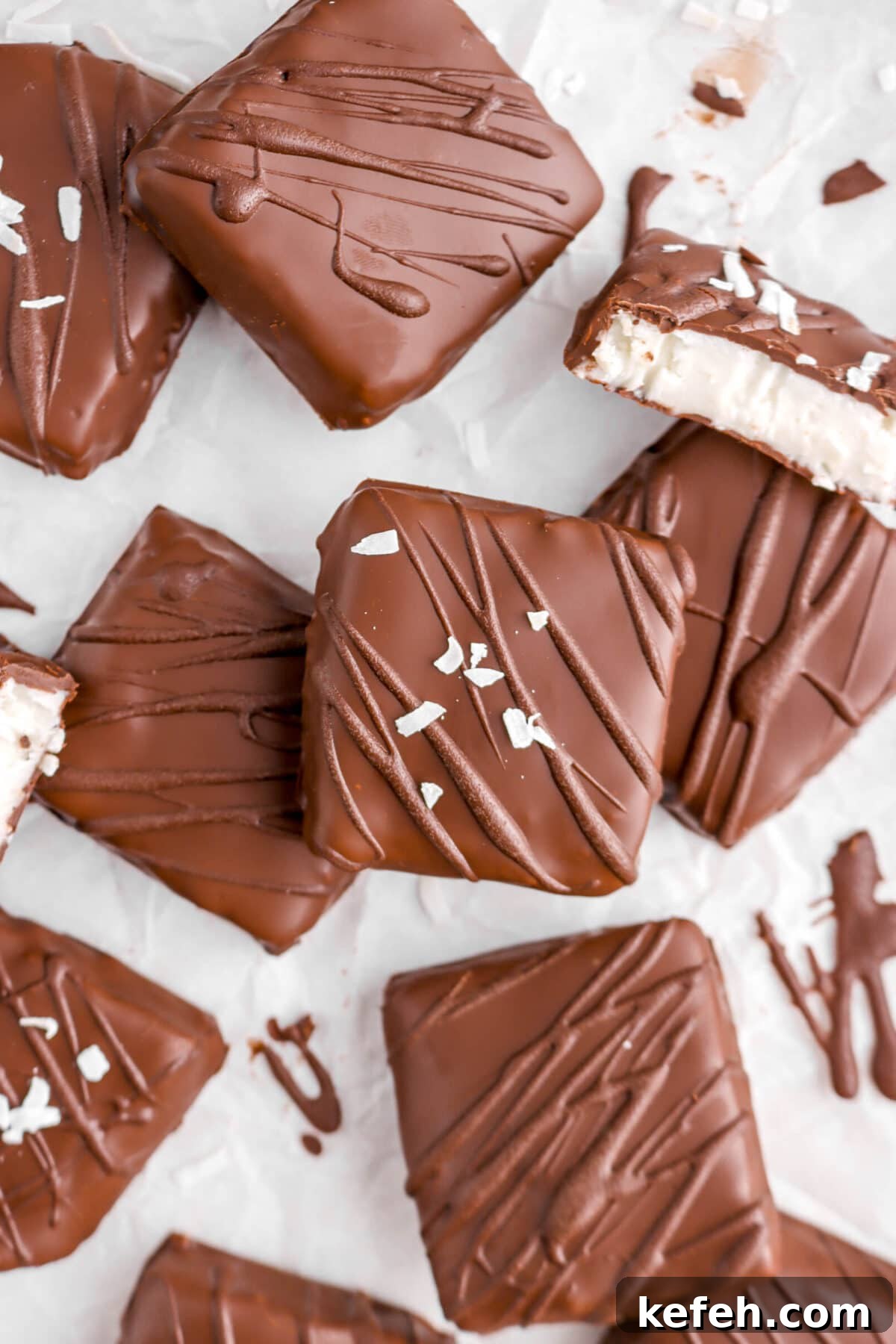
❹. Coconut Filled Chocolates
Soft coconut centers encased in chocolate make a great no-bake treat.
❺. Chocolate Coffee Truffles
Silky, rich truffles with a coffee kick—perfect for gifting.
❻. Homemade Ding Dongs
Mini chocolate cakes with marshmallow centers coated in chocolate—better than store-bought.
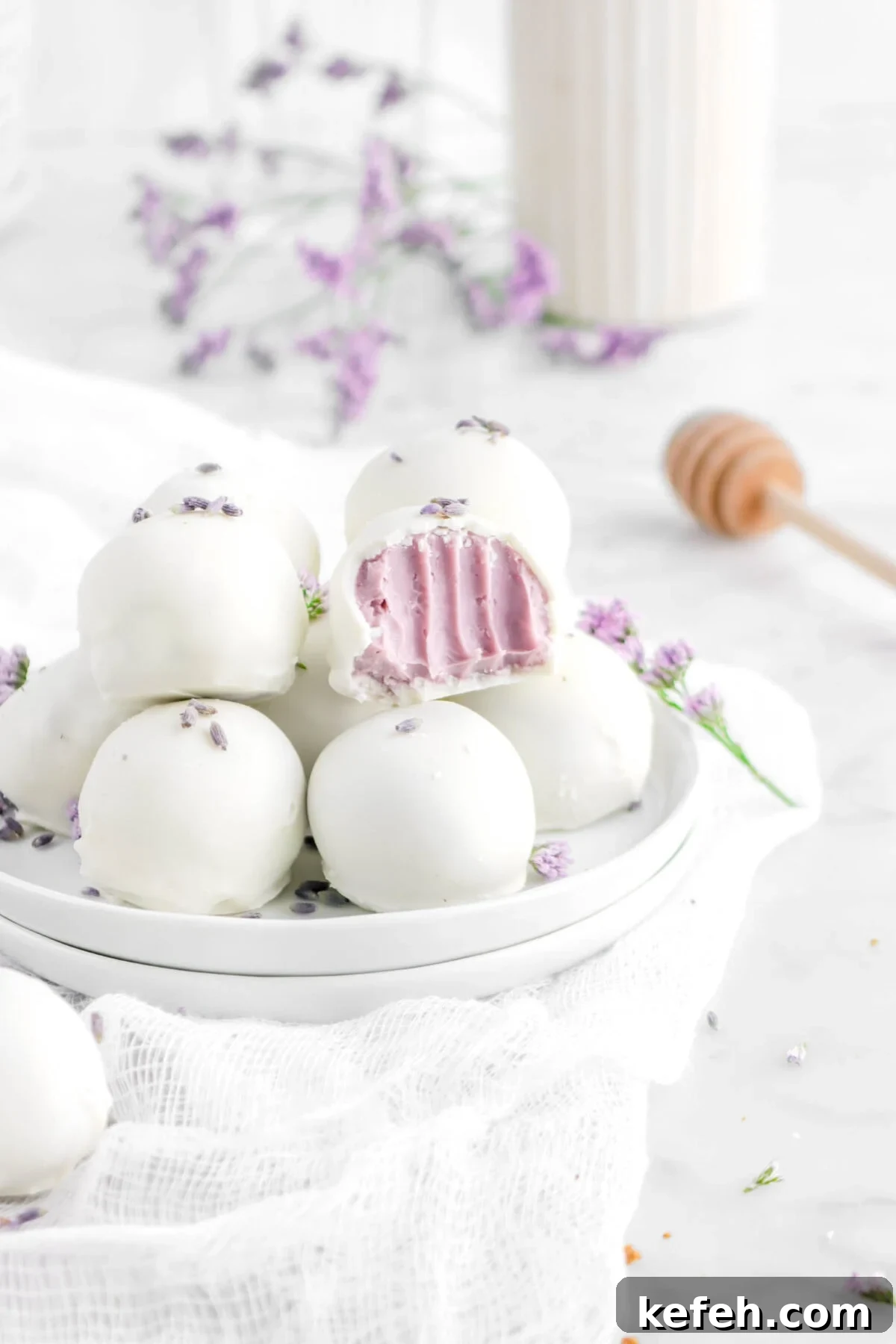
❼. Honey Lavender Truffles
Delicate, floral truffles that melt in your mouth—an ideal no-bake summer treat.
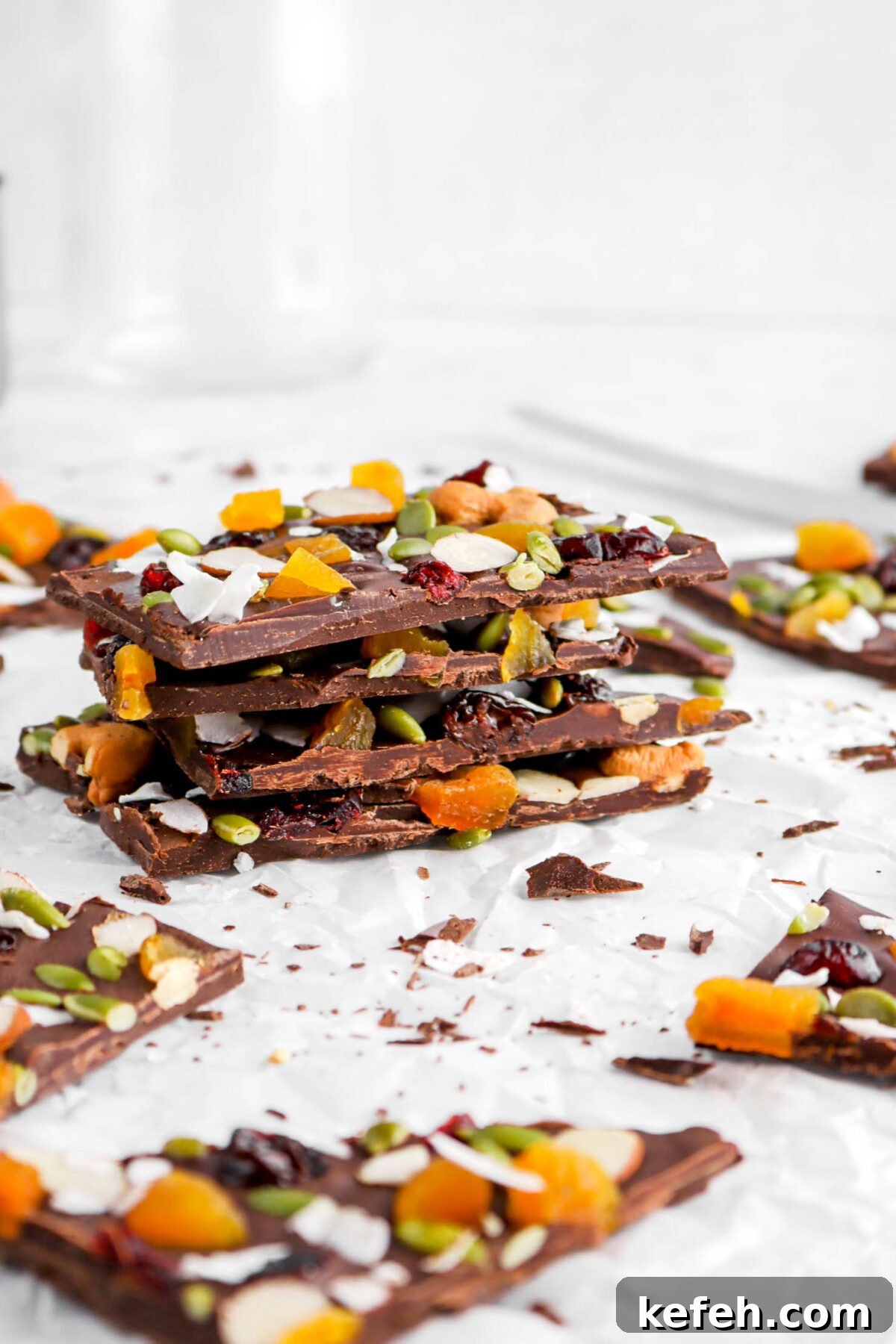
❽. Dried Fruit and Nut Bark
A simple, customizable no-bake bark packed with dried fruit and nuts.
❾. Homemade Twix Bars
Buttery cookie, chewy caramel and chocolate—classic and delicious.
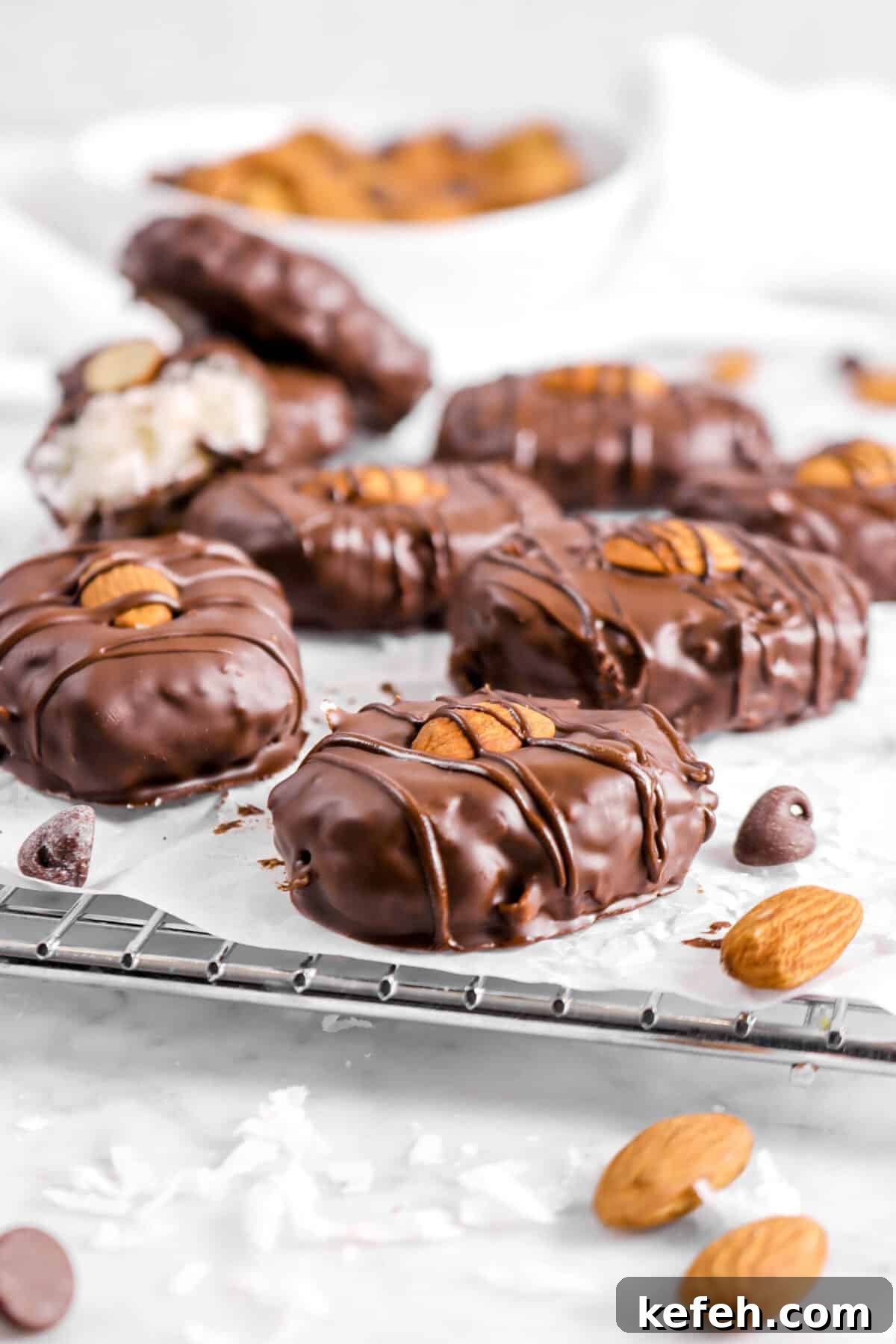
❿. Homemade Almond Joy
Coconut and chocolate combine for an easy, delicious homemade candy.