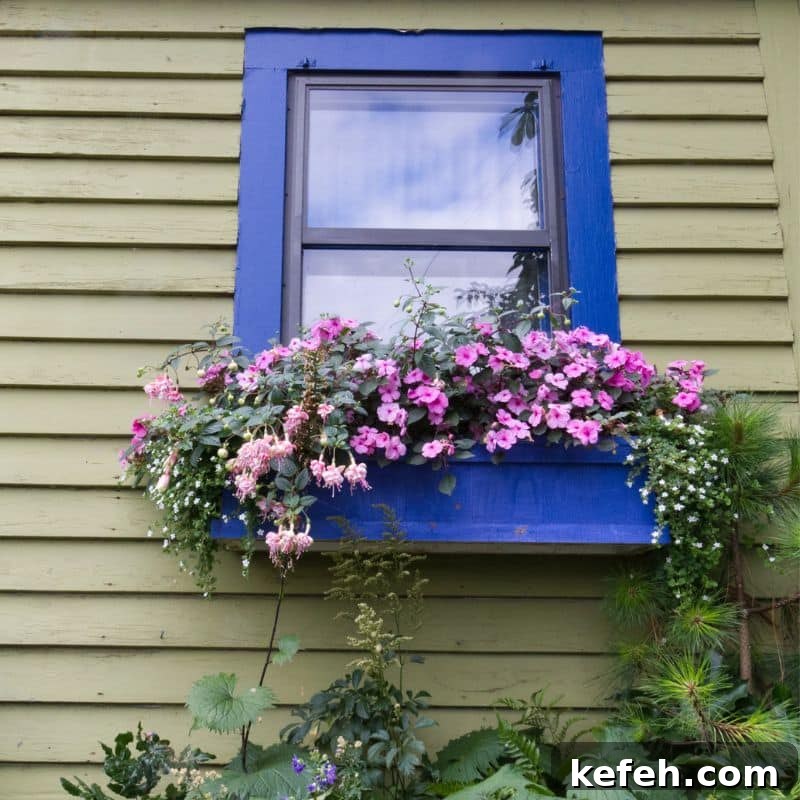
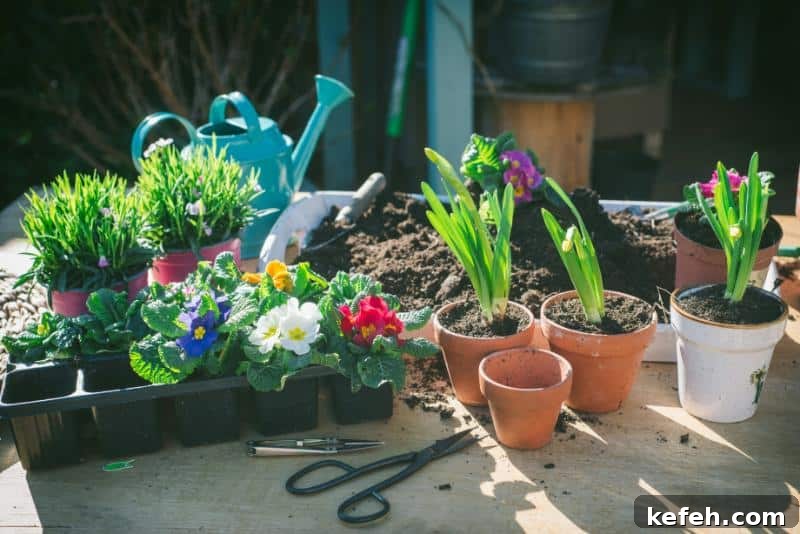
Do you want to garden but have limited space or time? You’re not alone. Many people live in apartments with small balconies or houses with tiny yards, and it can feel impossible to grow plants. The good news is that a thriving garden is possible even in the smallest spaces, and it doesn’t have to take over your free time.
This guide offers seven practical, beginner-friendly tips to help you make the most of small outdoor or indoor areas and build a low-maintenance, productive garden.
Easy Raised Beds: More Plants, Less Hassle
Why Raised Beds Rock
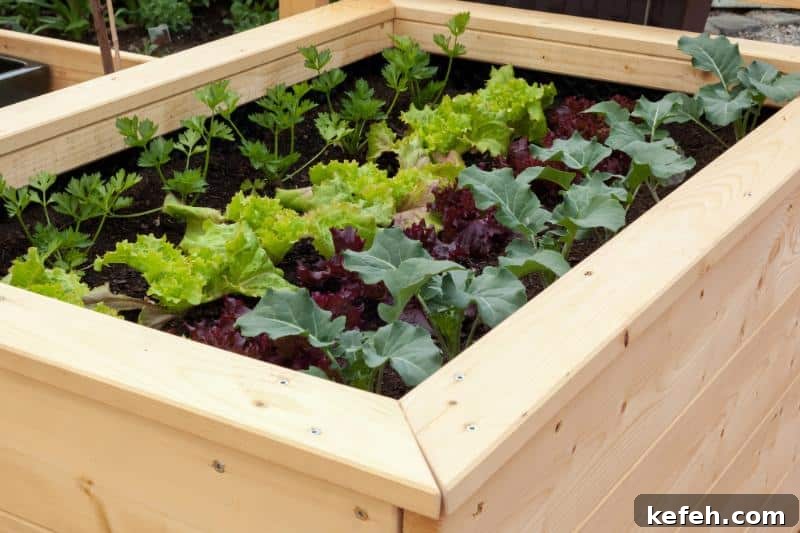
Raised beds are simple boxes of soil that let you control growing conditions. They improve drainage and soil structure, reduce soil compaction, and make weeding and harvesting easier. For city dwellers or anyone with poor native soil, raised beds let you create the ideal mix for vegetables, herbs, or flowers.
Because they sit above ground level, raised beds warm up faster in spring, extend the growing season, and can be built to a comfortable working height to reduce bending. They’re an excellent solution when horizontal space is limited.
Super Soil and Compost Tea
Happy Soil Equals Healthy Plants
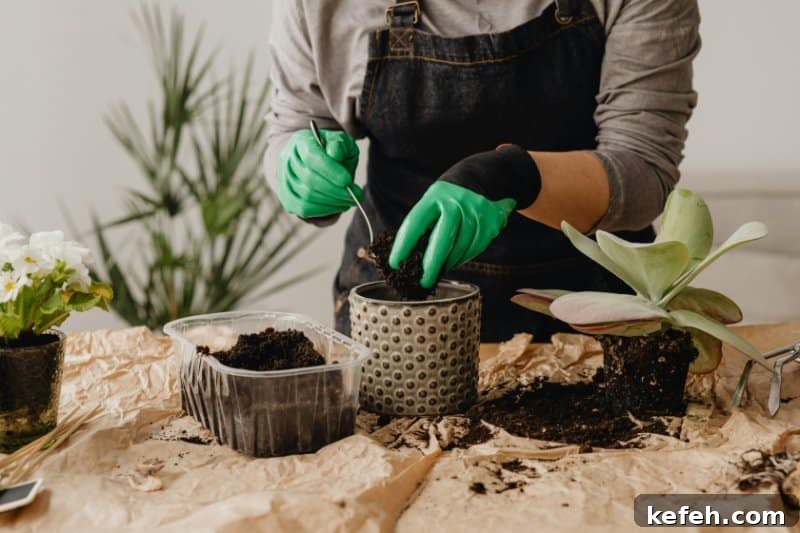
Good soil is the foundation of a low-effort garden. Rich, well-structured soil supplies nutrients, holds moisture, and supports beneficial microbes. Compost and amendments turn ordinary soil into a productive growing medium.
Compost tea is an easy way to boost soil life and plant health. It’s a mild, nutrient-rich liquid that encourages beneficial microorganisms and can help plants resist pests and stress. Also, choose plants suited to your existing soil whenever possible—matching plants to conditions reduces maintenance and increases success.
Pick Plants That Don’t Need Much Water
Save Water and Time
Selecting drought-tolerant plants reduces watering and chore time. Succulents, Mediterranean herbs, and many native species thrive on less water once established. Using mulch—organic materials like bark or straw—helps retain moisture, suppresses weeds, and keeps roots cool. Mulch plus careful plant choices result in a garden that looks good with minimal daily attention.
Keep the Harvest Coming
Plant in Batches for Continuous Produce or Blooms
Successive planting, or sowing small batches of seeds at intervals, extends your harvest and keeps beds productive over weeks or months. Instead of planting everything at once, stagger planting dates for lettuces, radishes, beans, and fast-growing flowers. This approach is ideal for compact gardens because it spreads harvests over time and ensures a steady supply of fresh produce and petals.
Embrace the Power of Perennials
Perennial Plants for Long-Term Rewards
Perennials return year after year, reducing the need to replant and providing structure to a small garden. Choosing hardy, region-appropriate perennials gives you reliable color, fragrance, and texture with less labor. Plants such as lavender, echinacea, ornamental grasses, and certain ornamental shrubs establish once and offer ongoing beauty and habitat for pollinators.
Combining perennials with a few seasonal annuals keeps the garden fresh and varied without a lot of extra work.
Go Vertical: The Sky’s the Limit
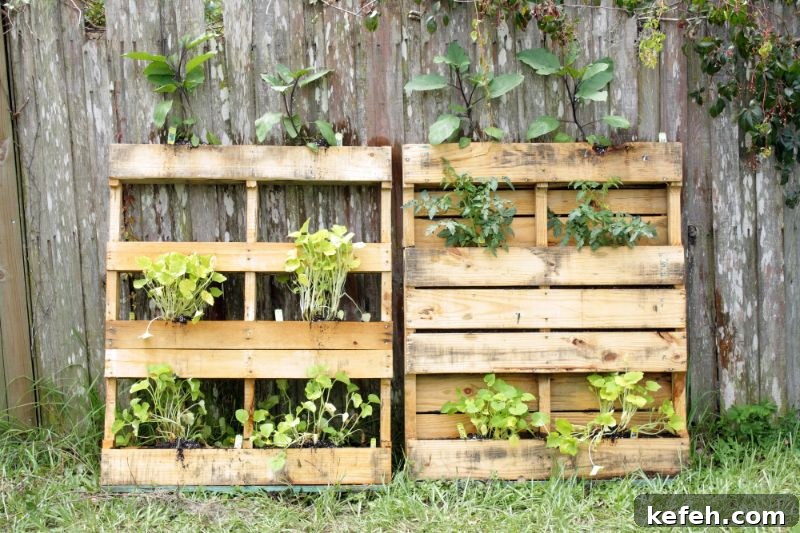
Use Every Inch of Space
When horizontal room is scarce, grow upward. Vertical gardening uses walls, trellises, hanging baskets, and stacked planters to expand your planting area. Vining vegetables, climbing beans, and many herbs do well vertically. Container gardening lets you position pots on balconies, steps, or railings to maximize usable space. Vertical solutions are practical and can create privacy screens or living walls full of greenery.
Gardening Gadgets and Gizmos
Let Smart Tools Reduce the Work
Modern tools can simplify gardening. LED grow lights make it possible to grow herbs and seedlings indoors with less natural light. Self-watering containers and reservoirs help maintain consistent moisture, reducing the need for frequent watering. Smart sensors and timers can automate lighting and irrigation, freeing you from daily routines while keeping plants healthy.
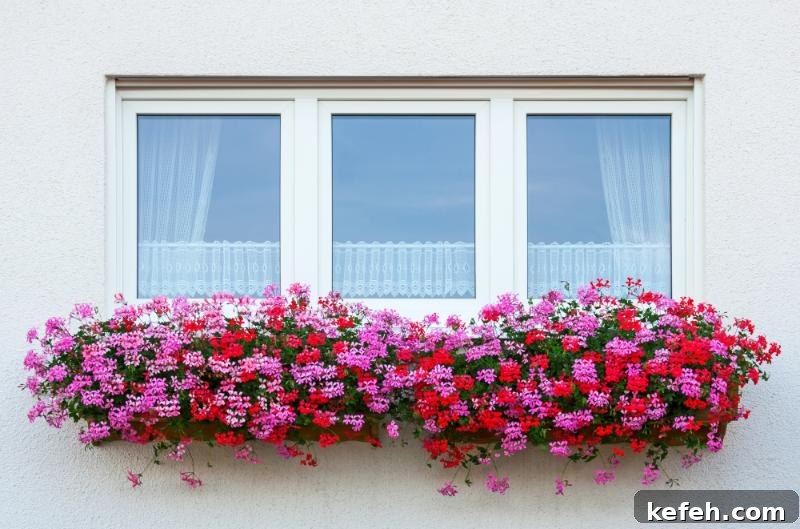
Wrapping Up: Gardening for Everyone
Small-space gardening can be simple, productive, and enjoyable. By using raised beds, improving soil, choosing low-water plants, staggering plantings, adding perennials, going vertical, and using helpful tools, you can create a low-maintenance garden that brings nature to your home.
Share your small-space gardening tips and successes with others—community knowledge helps everyone grow better gardens. Try one or two of these ideas and watch your compact space flourish.