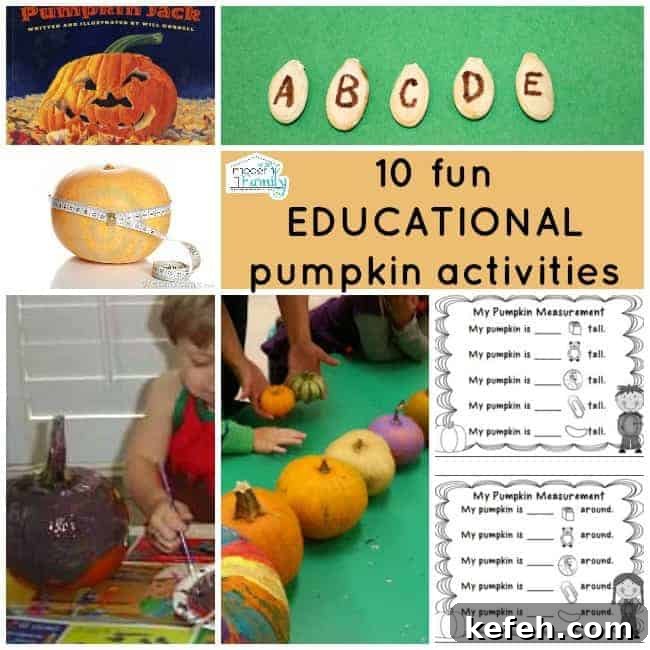
Pumpkins are everywhere, and using them as learning tools is a fun, hands-on way to teach children science, math, reading, and more. While pumpkins make lovely fall decorations, they also provide memorable, creative learning opportunities for the whole family—especially during carving or decorating time.
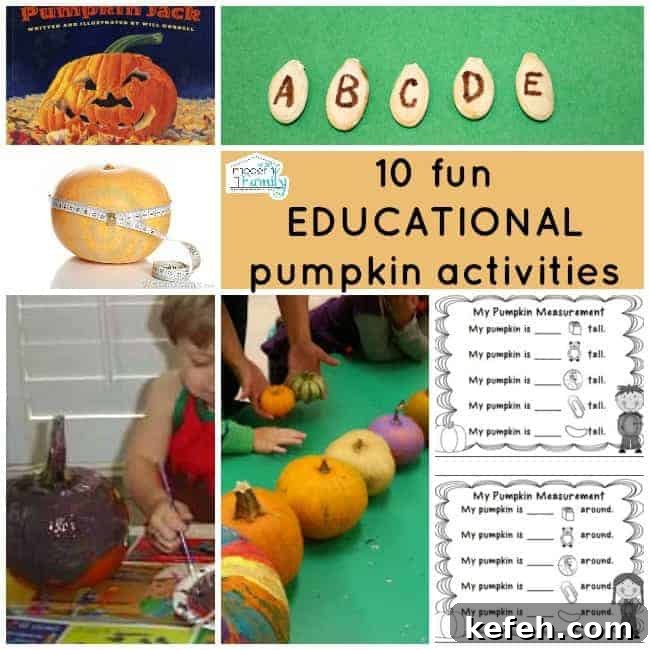
If you have pumpkins of different sizes, have your children arrange them from largest to smallest to practice comparison and ordering skills.
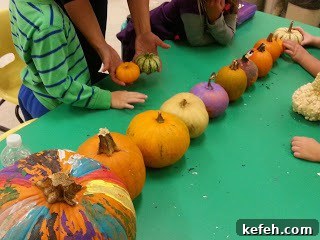
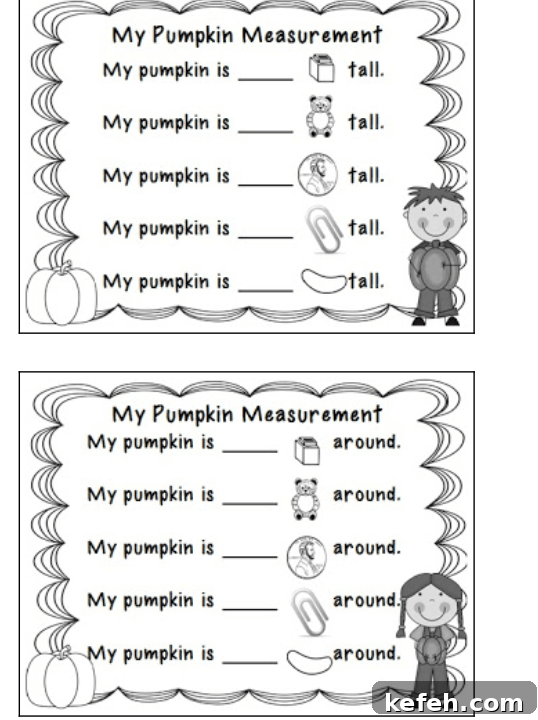
Measure the pumpkins to explore measurement concepts and record your results.
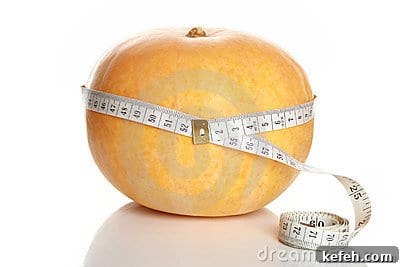
Keep a simple chart to track each pumpkin’s weight and dimensions. This turns a seasonal activity into a practical math and science lesson as kids observe differences and patterns.
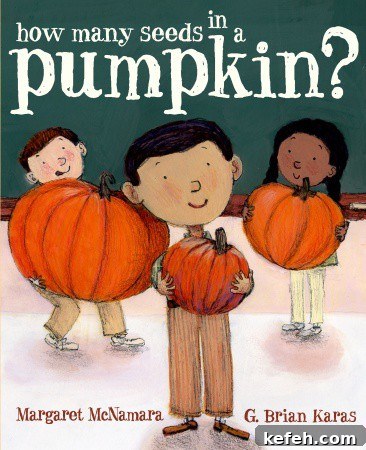
Before carving, read a children’s book about pumpkin seeds and have the kids predict how many seeds are inside. Use a smaller pumpkin to make counting easier, then open it up together and count the seeds to compare against your predictions—this is a great exercise in estimation and verification.
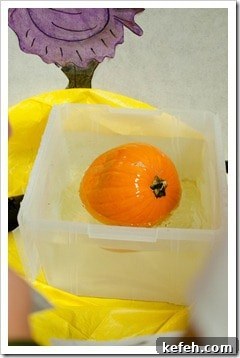
Little pumpkins are perfect for sink-or-float experiments. Ask children to predict whether each small pumpkin will sink or float, then test their hypotheses in a tub of water. Discuss why the results happened and what factors—size, shape, density—might influence buoyancy.
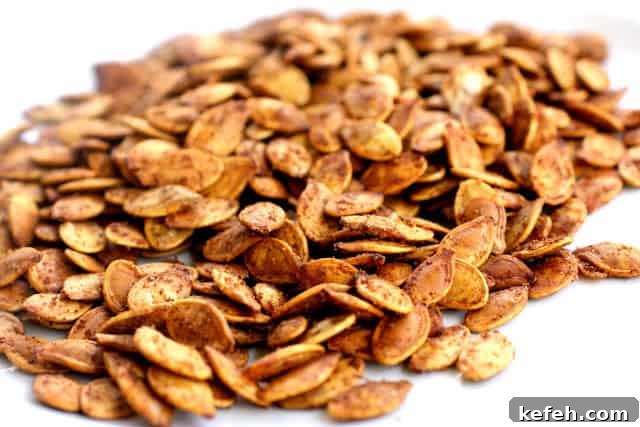
Roast the pumpkin seeds for a tasty reward and an opportunity to talk about cooking measurements, time, and safe food handling. A simple method is to toss seeds with a little butter, Worcestershire sauce, and salt, then roast at low heat until golden and crunchy.
Talk about shapes while planning the pumpkin’s face—toddlers especially enjoy choosing circle, triangle, or square eyes. This activity reinforces shape recognition and decision-making.
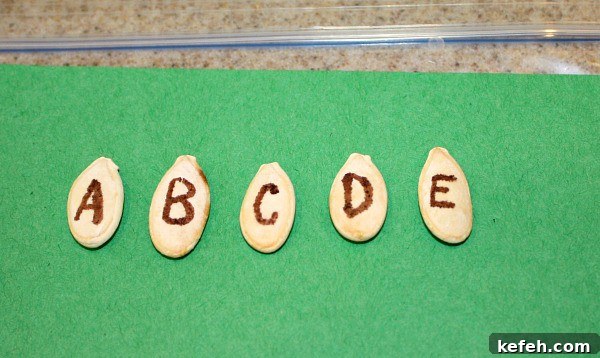
You can also use pumpkin seeds as manipulatives for alphabet practice: arrange seeds to form letters or use them as counters while tracing each letter aloud. This tactile approach supports early literacy and fine motor skills.
The inside of a pumpkin offers a rich sensory experience—let children scoop out the pulp and seeds and describe the texture, smell, and temperature. Sensory play supports language development and descriptive vocabulary.
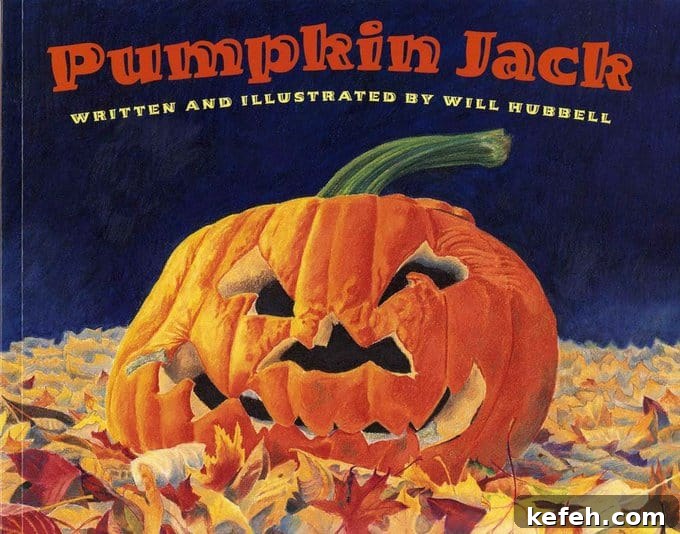
Explain the pumpkin life cycle as part of a broader science lesson. Use age-appropriate sequencing activities or picture cards to show seed, sprout, vine, flower, and mature pumpkin stages. Reading a story about a pumpkin’s life is another engaging way to teach growth and change.
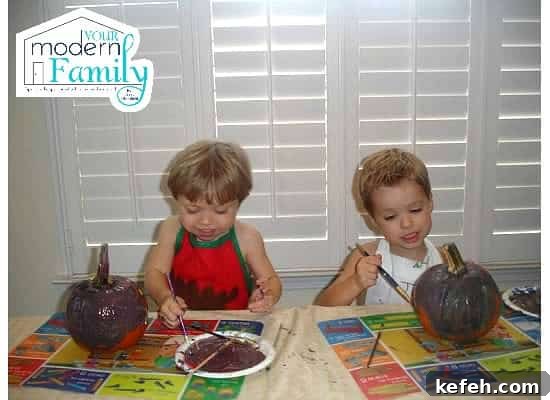
If you prefer a less messy alternative to carving, try painting pumpkins. Painting allows younger children to participate safely and encourages creativity while practicing fine motor control and color mixing.
A simple fall pumpkin can become a season-long learning resource filled with sensory play, science experiments, math practice, literacy activities, and creative art.
Thank you for reading and sharing these ideas! Enjoy the season and have fun learning together.

Meet Keri from Living in the Season:
As a mom of three young children, I’ve learned that every phase—sleepless nights, potty training, tantrums, and hugs—is only for a season. Time moves quickly, and it’s important to embrace these moments. I enjoy sharing activities for kids, DIY projects, and ideas to make family time meaningful.