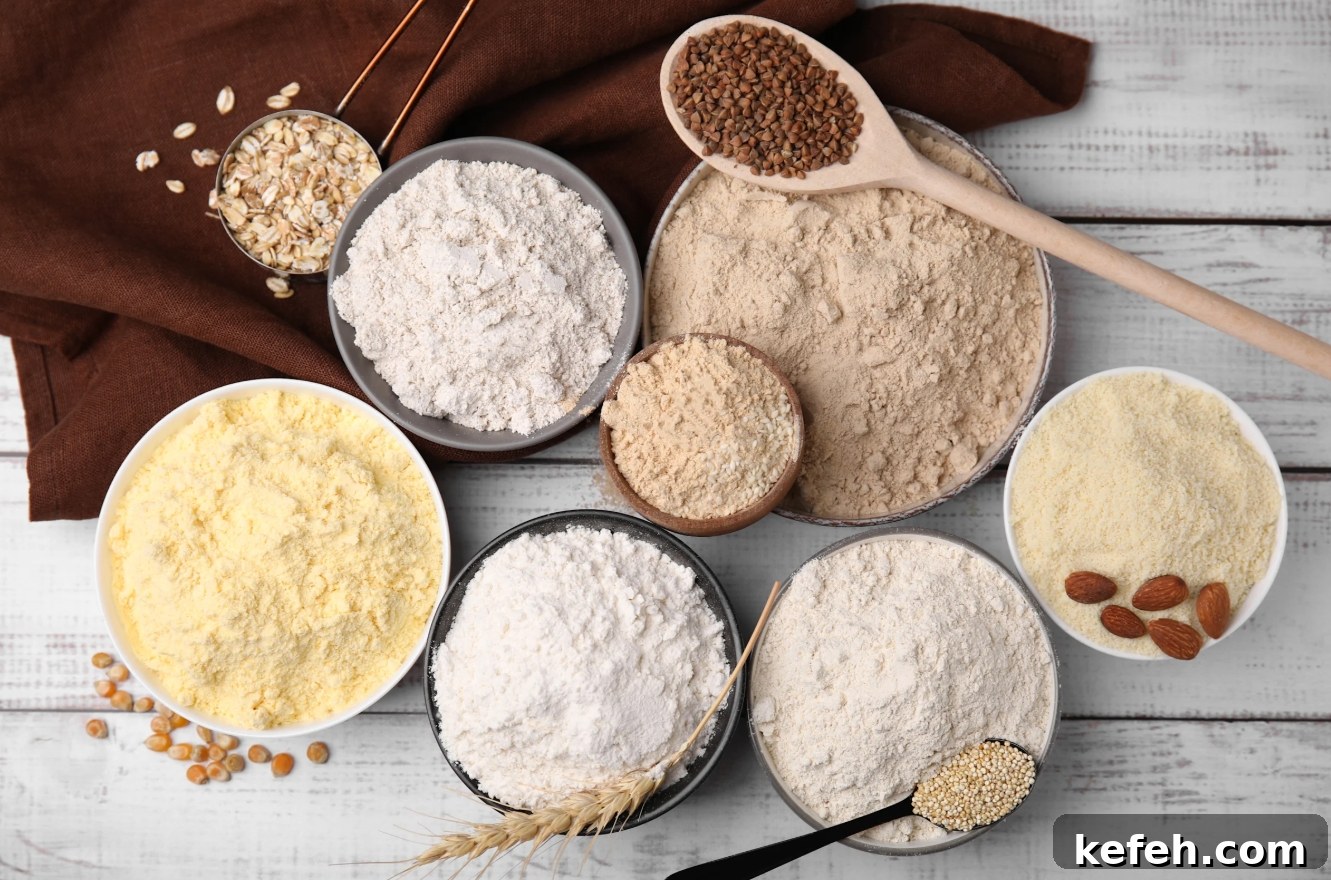
Gluten-free flours offer a versatile, nutritious alternative to traditional wheat flour, ideal for people with celiac disease, gluten sensitivity, or anyone exploring different baking options. Made from grains, seeds, nuts, or starchy roots and tubers that contain no gluten, these flours lack the elasticity and structure of wheat, so they vary widely in texture, flavor, absorbency, and nutritional value. That variety requires thoughtful combinations and adjustments to achieve the desired results in baking and cooking.
Each gluten-free flour has its own character—some are soft and powdery, others coarse or dense. Colors range from pale ivory to deep brown, and aromas can be nutty, earthy, sweet, or neutral. Because gluten is absent, many recipes call for binders or eggs to help retain moisture and structure. Flours differ in how they trap air and hold liquids, affecting rise, crumb, mouthfeel, and shelf life. Far from neutral, many impart distinct flavors and add nutrients such as fiber, protein, vitamins, and minerals. Below is a concise guide to the gluten-free flours I use most often in baking.
TYPES OF GLUTEN-FREE FLOURS
-
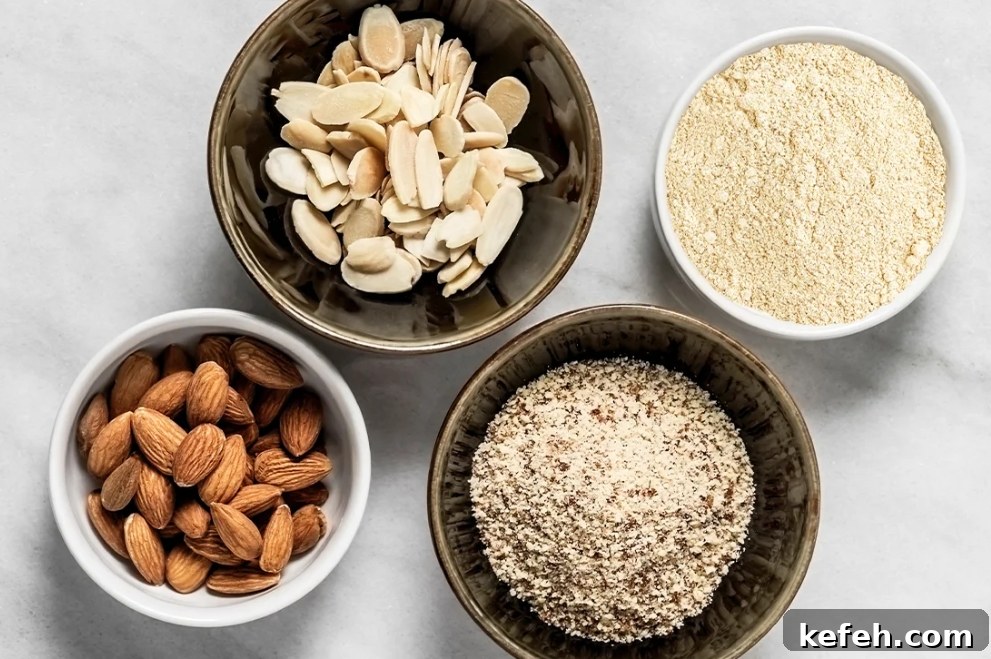
ALMOND FLOUR
Almond flour is made from finely ground almonds and is rich in healthy fats, protein, fiber, magnesium, and vitamin E. Its naturally sweet, nutty flavor and moist texture make it excellent for dense cakes, muffins, and pie crusts. Low in carbs and with a lower glycemic index, it’s a good option for blood sugar control. You can make almond flour at home by grinding blanched or unblanched almonds; for recipes like macarons, use blanched almond powder without skins, which is readily available in stores.
-
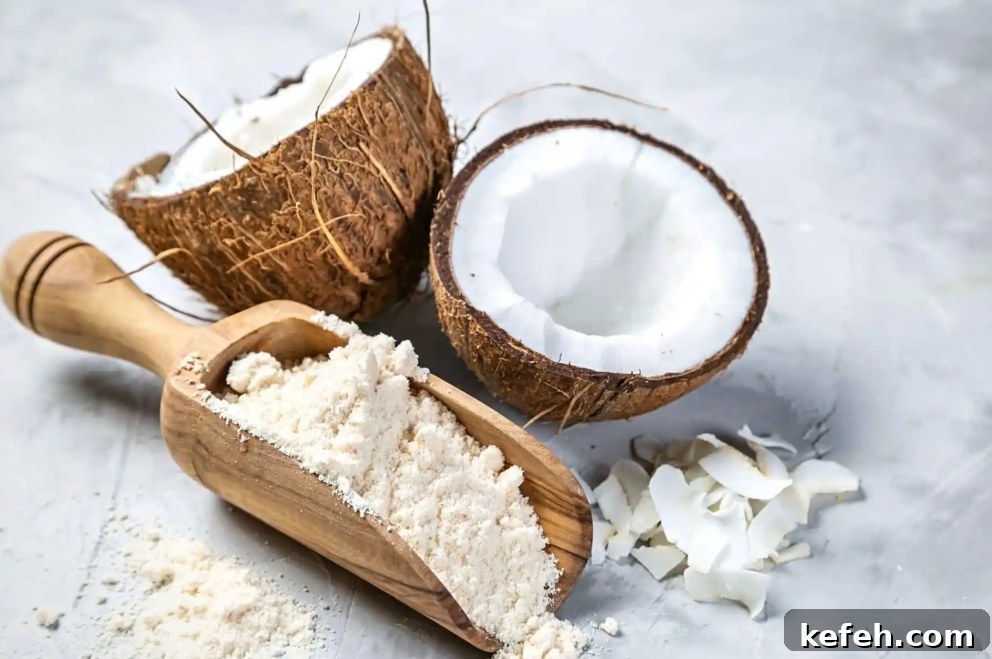
COCONUT FLOUR
Coconut flour, produced from dried, defatted coconut meat, is very high in fiber and extremely absorbent. It lends a mild coconut flavor and is best used blended with other flours. Recipes using coconut flour usually need extra eggs or liquid because of its absorbency. It’s popular among low-carb and health-focused bakers and contributes fiber, moderate protein and healthy fats, along with minerals like potassium, magnesium, and manganese.
-
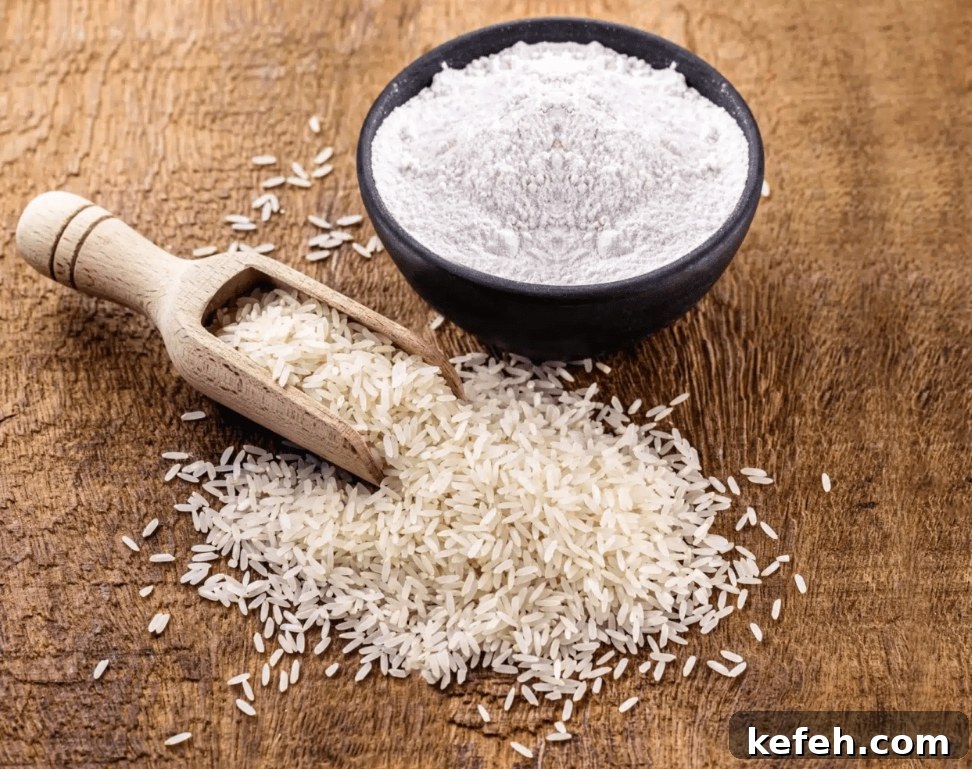
RICE FLOUR
Rice flour, available as white or brown, is finely milled from rice and has a neutral flavor. It’s a staple in many cuisines and is ideal for light, crisp textures in baked goods and coatings. Brown rice flour adds extra fiber and a slightly nuttier taste. Different rice types—regular, brown, or glutinous—produce varied textures and uses in cooking and baking.
-
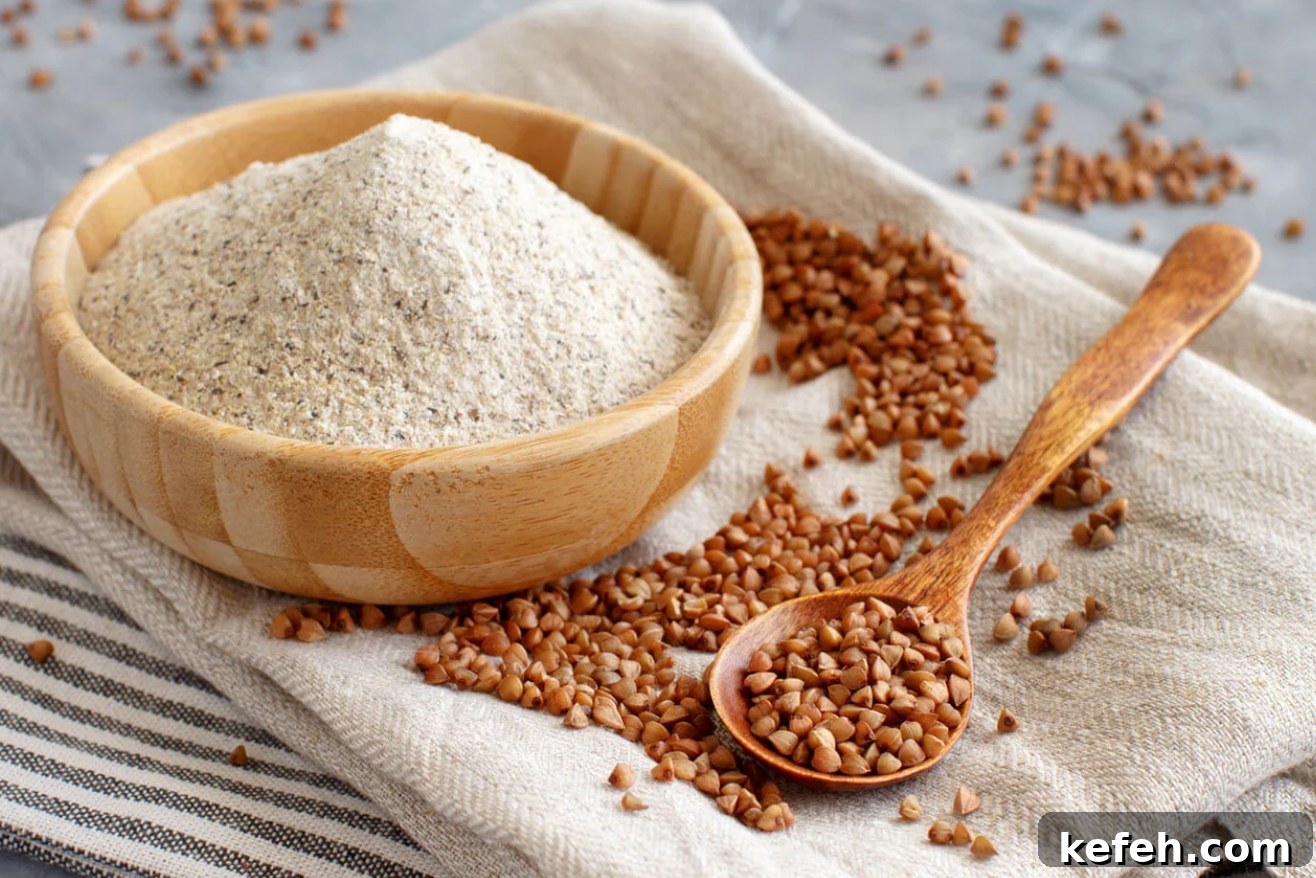
BUCKWHEAT FLOUR (KUTTU KA ATTA)
Buckwheat, unrelated to wheat, is naturally gluten-free and has a robust, earthy flavor. It’s commonly used in pancakes, crepes, cupcakes, and tarts, where its hearty texture adds depth. Buckwheat flour is high in protein, fiber, magnesium, and antioxidants, making it a nutritious choice for both sweet and savory recipes.
-
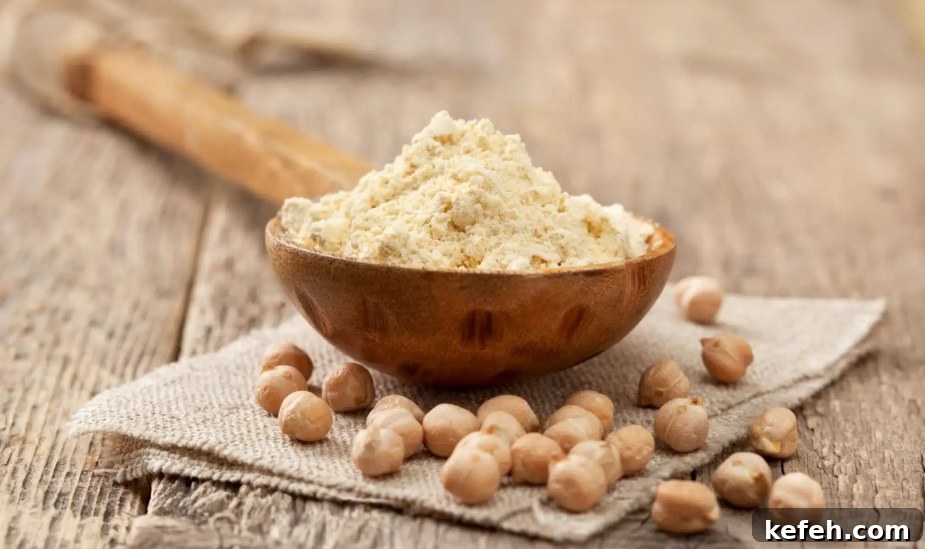
CHICKPEA FLOUR (BESAN)
Chickpea flour, made from dried chickpeas, has a mild, nutty, slightly bean-like flavor. It’s high in protein and fiber and helps provide structure in gluten-free baking. It works well in flatbreads, pancakes, cookies, and savory batters, and contributes substantial nutrients compared with refined flours.
-
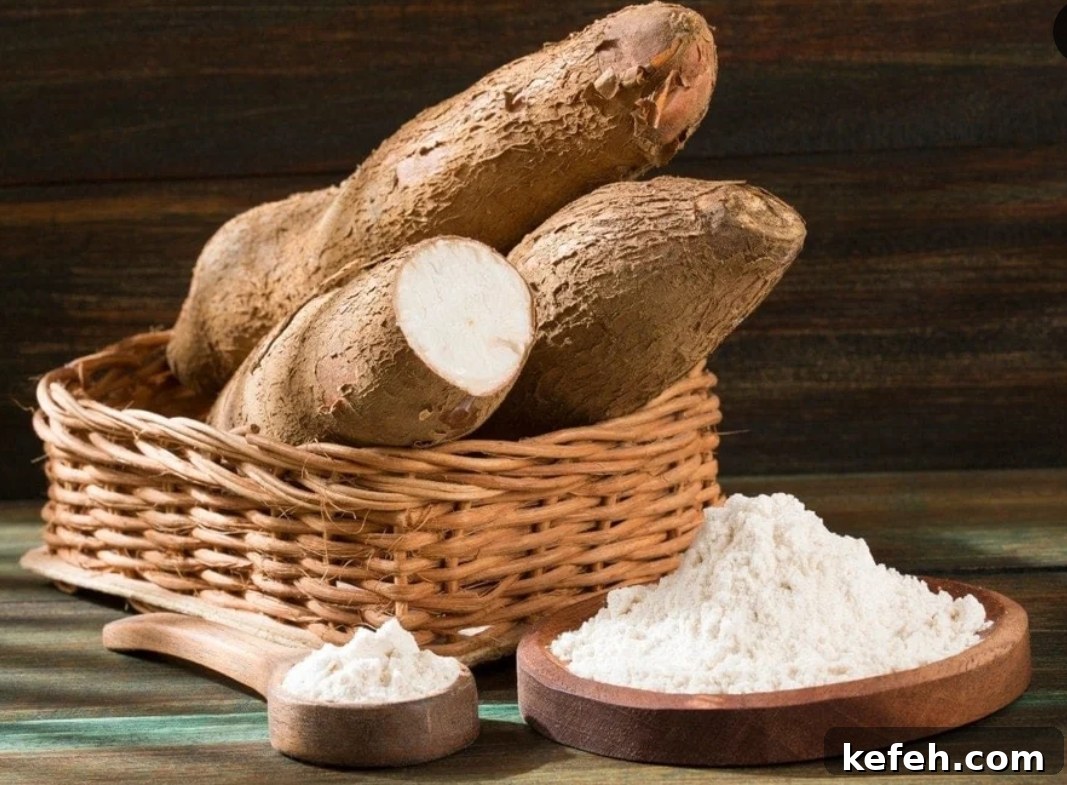
TAPIOCA FLOUR
Tapioca flour is a starchy, white flour extracted from cassava root. It’s excellent for thickening sauces and puddings and adds a pleasant chew to baked goods like cookies and cakes. Often used in gluten-free blends to improve texture, tapioca is nearly pure starch, so it contributes little protein or fiber but adds smoothness and clarity to fillings and sauces.
-
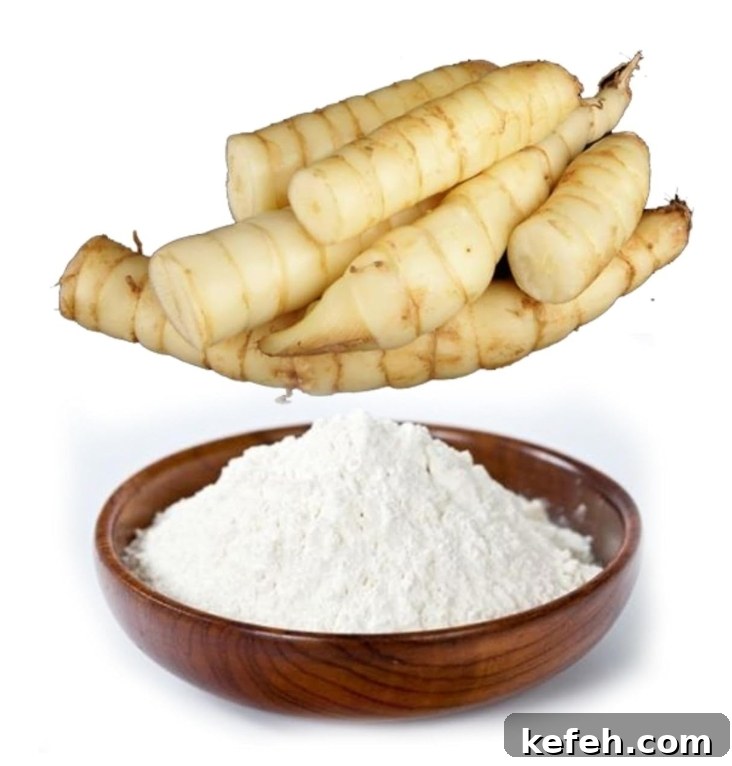
ARROWROOT FLOUR
Arrowroot flour, derived from tropical plant roots, is light and neutral in flavor. It’s a popular cornstarch substitute and works as a thickener or to lighten textures in cakes and cookies. Arrowroot gives a glossy finish and smooth mouthfeel, and is useful in delicate desserts and vegan baking as an egg replacer when mixed with water.
-
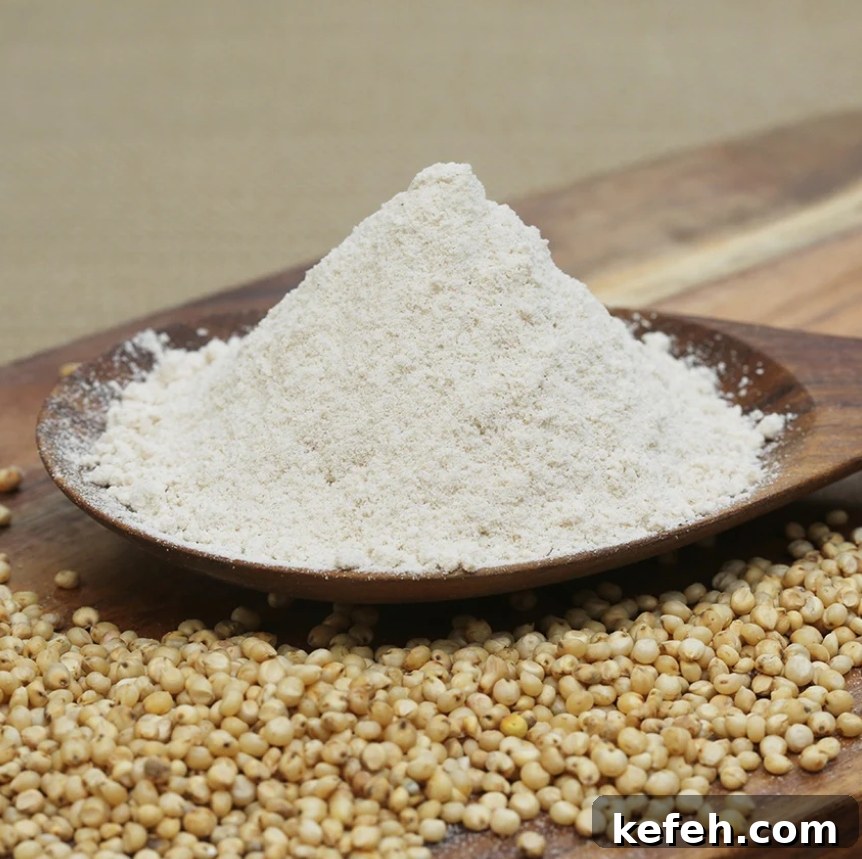
SORGHUM FLOUR (JOWAR)
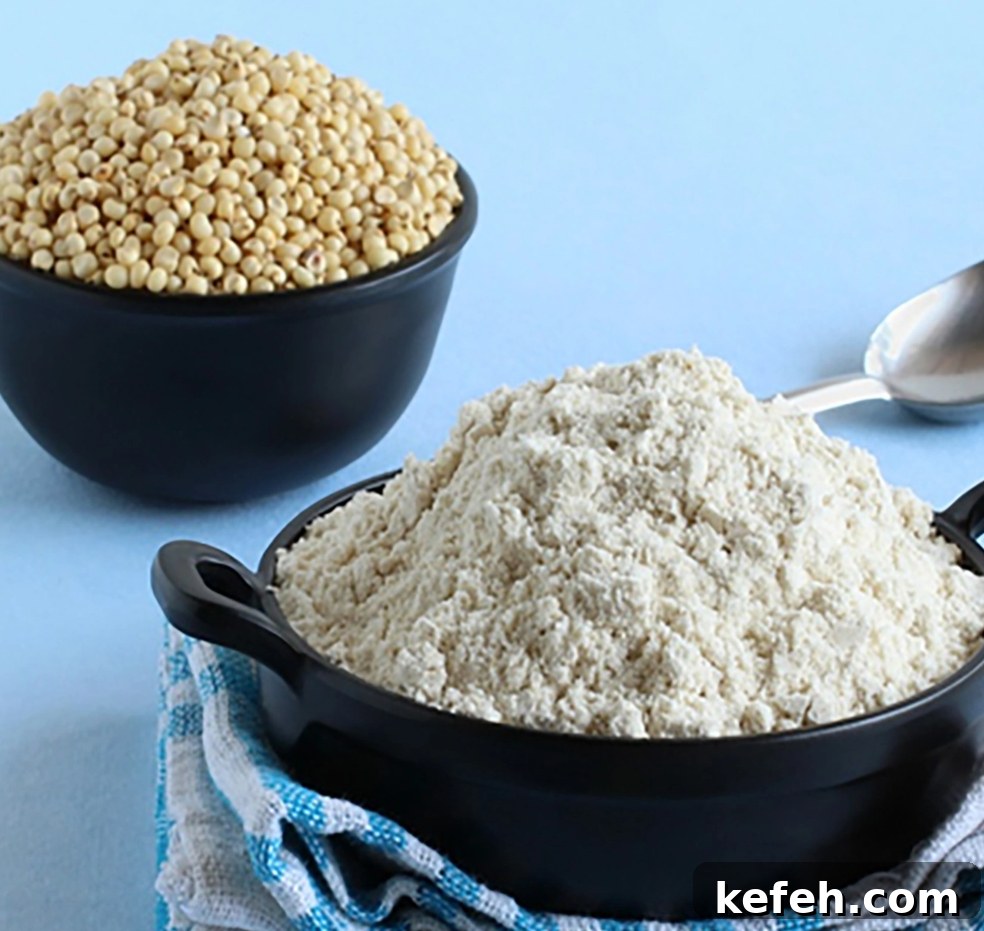
Sorghum is an ancient grain with a mild, slightly sweet flavor. It adds moisture, structure, and a pleasant crumb to gluten-free baked goods and is commonly combined with other flours for breads and muffins. Sorghum is rich in fiber, antioxidants, and minerals, and its low glycemic index makes it a good choice for blood sugar management.
-
OAT FLOUR
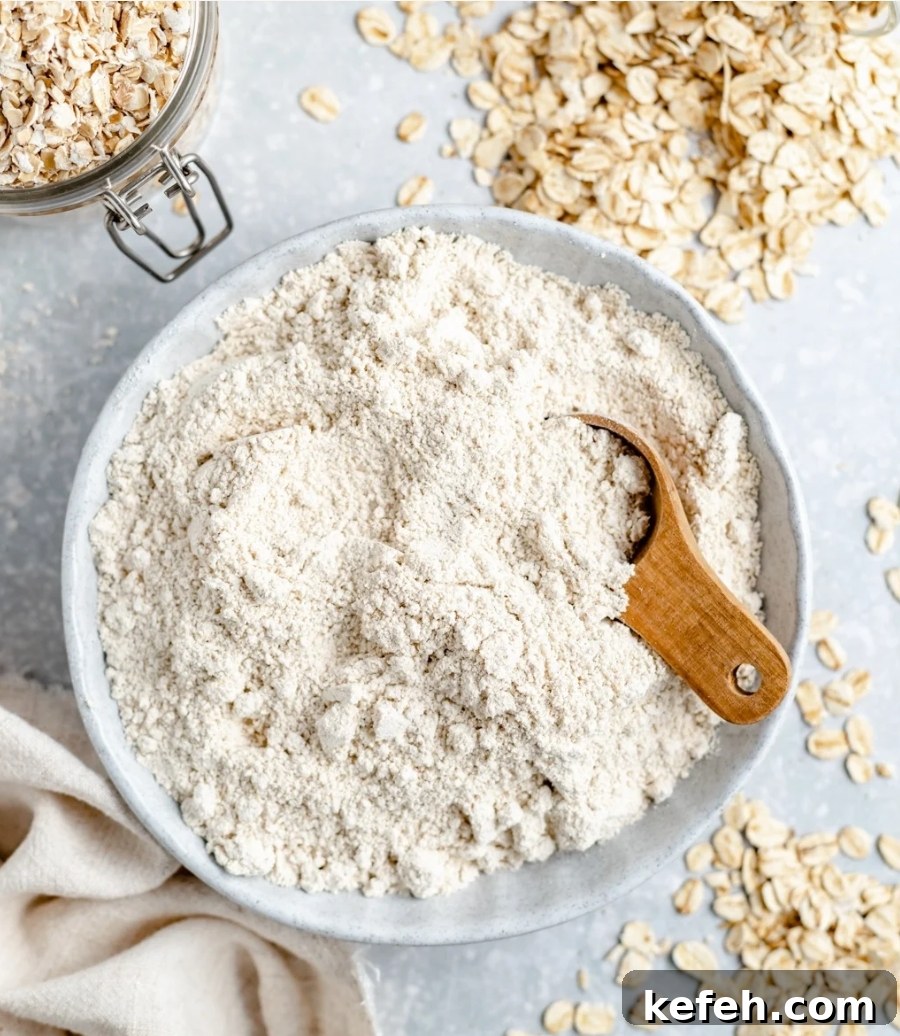
Oat flour, made by finely grinding whole oats, has a naturally sweet, nutty flavor and a soft texture. High in beta-glucan fiber, it supports heart health and blood sugar control while adding moisture and tenderness to muffins, pancakes, and cookies. Oat flour works well alone or in blends to improve structure and nutrition.
-
AMARANTH FLOUR (RAJGIRA)
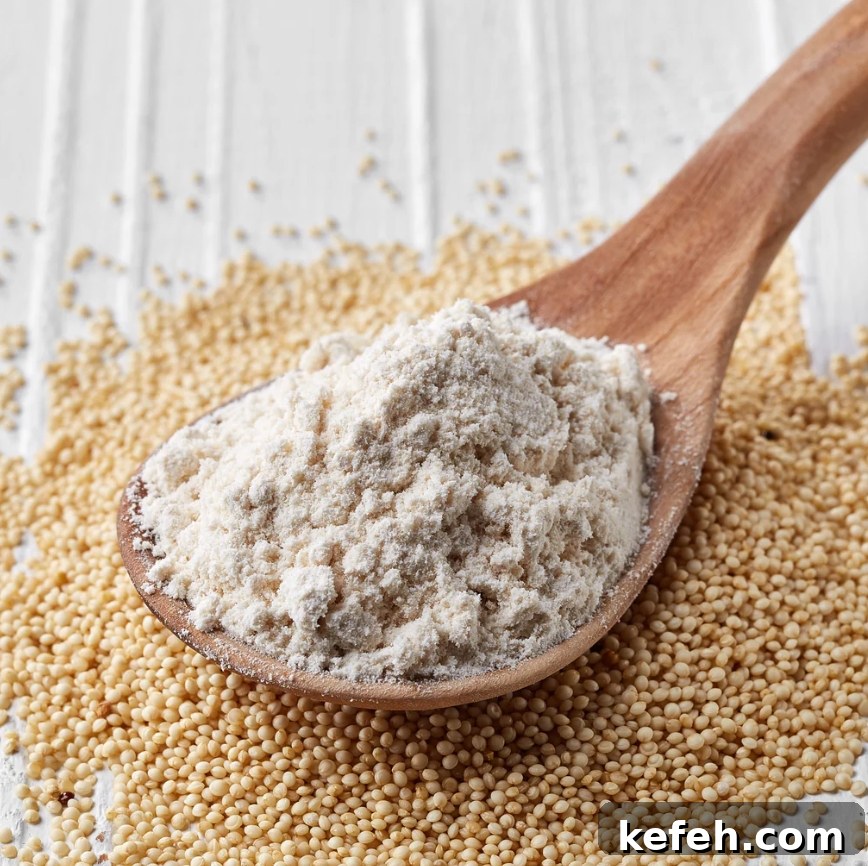
Amaranth flour comes from the seeds of the amaranth plant and offers a mildly earthy, nutty flavor. It’s notable for being a complete protein with all essential amino acids and supplies fiber, iron, magnesium, and calcium. Amaranth enriches breads, pancakes, muffins, and cookies with nutrition and a unique taste.
-
RAGI FLOUR
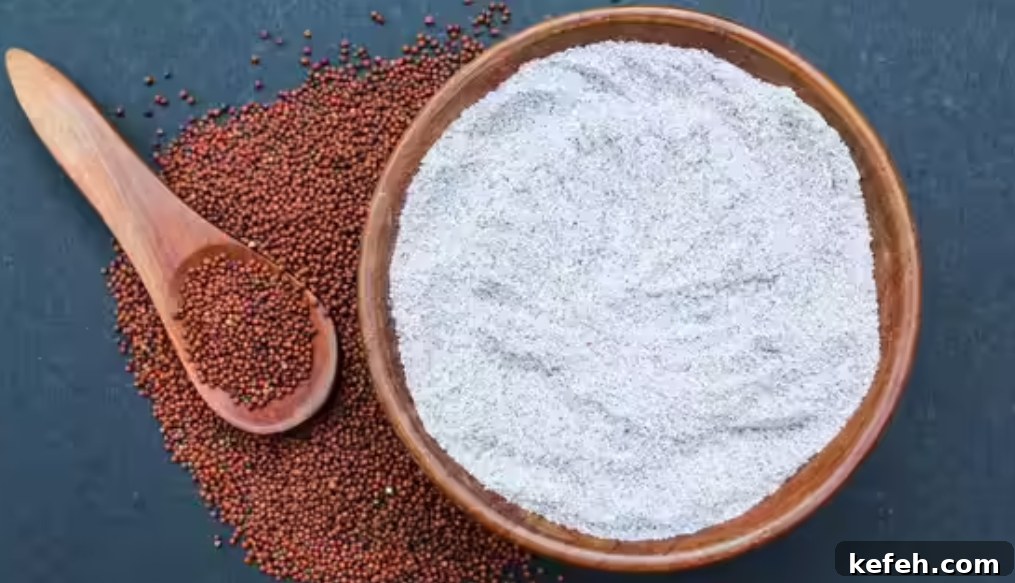
Ragi, or finger millet flour, is a nutritious staple with a reddish-brown color and a mild, earthy flavor. High in calcium, iron, protein, and fiber, ragi supports bone health, digestion, and energy levels. It’s versatile in both sweet and savory dishes and is valued for its dense nutrition and adaptability in traditional and modern recipes.
-
BAJRA FLOUR
Bajra flour, from pearl millet, has a nutty flavor and slightly coarse texture. Rich in iron, protein, fiber, and minerals like magnesium and folate, it supports digestion, energy levels, and blood sugar regulation. Its filling nature makes it useful for weight management and hearty flatbreads and baked goods.
-
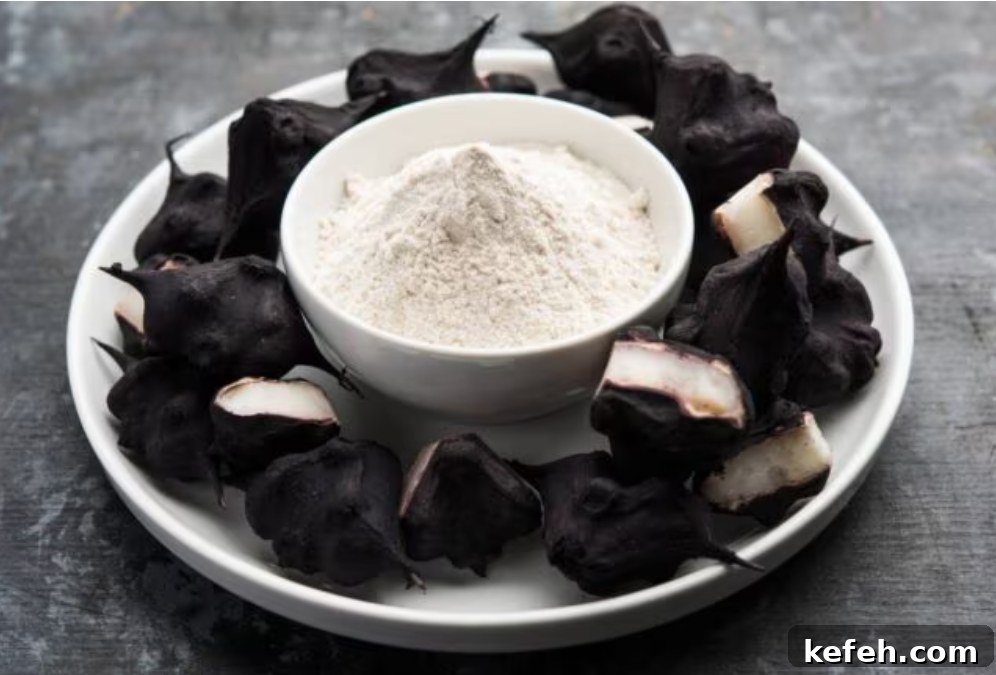
WATER CHESTNUT FLOUR (SINGHARE KA ATTA)
Water chestnut flour, or singhara atta, is made from dried and ground water chestnuts. It is nutrient-dense and commonly used during fasting in some cultures. Rich in potassium, iron, calcium, and fiber, it offers digestive benefits, a gentle energy boost, and a light, slightly sweet flavor suitable for pancakes, parathas, and other traditional preparations.
I hope this guide helps you navigate the many gluten-free flours available so you can experiment confidently when you don’t have access to all-purpose flour. Keep baking and feel free to share your creations on Instagram @shivesh17.