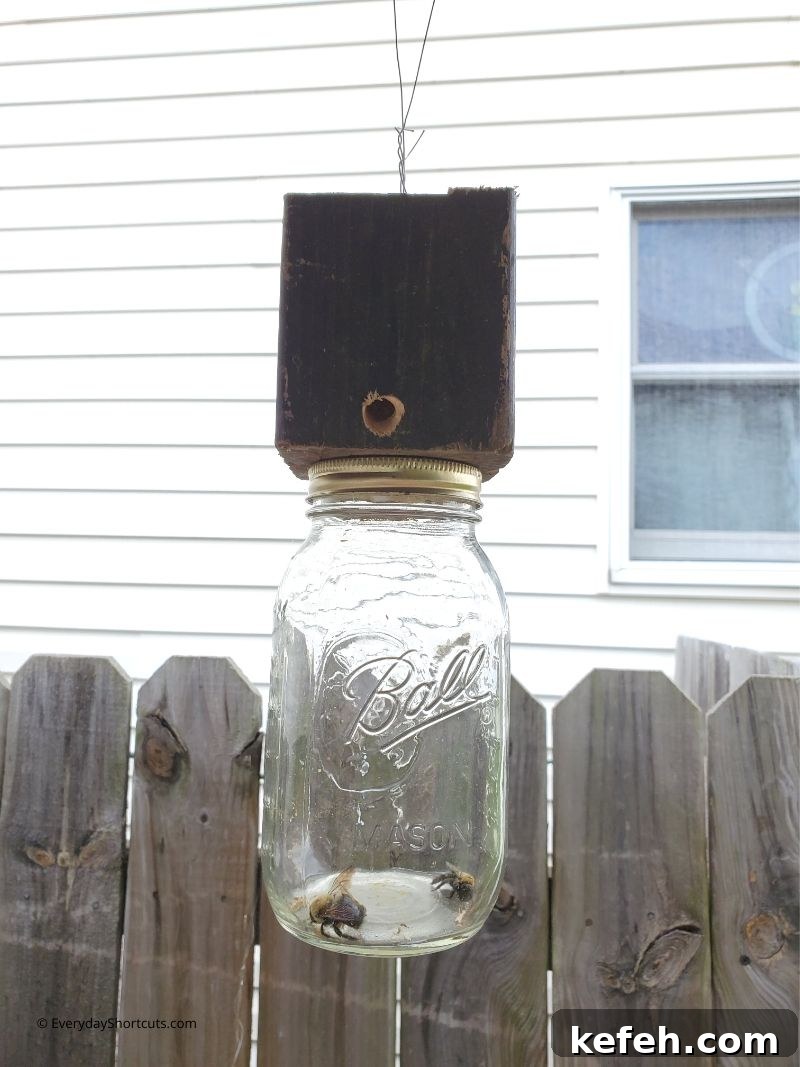
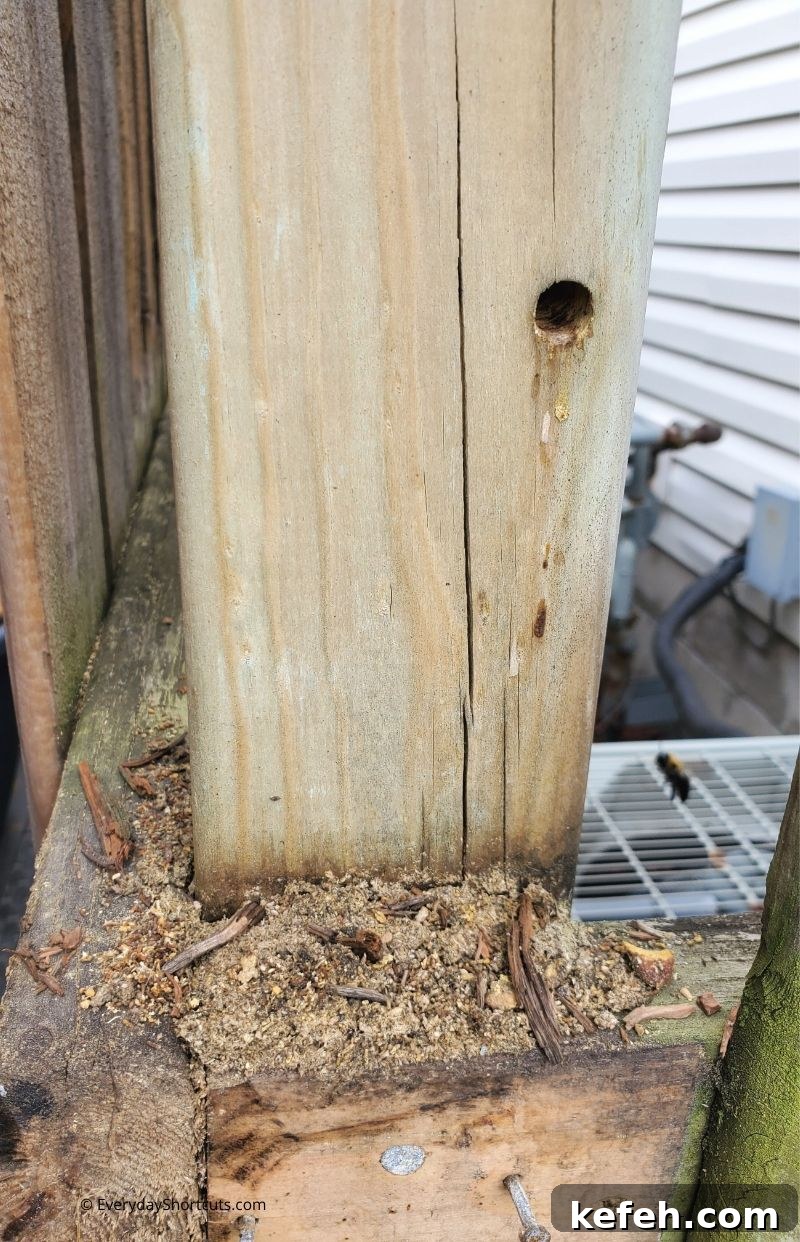
Carpenter bees can become a nuisance: they hover around people and drill holes in decks, patio furniture, siding and other wooden structures. When they bore these tunnels they often lay eggs, producing more carpenter bees and increasing the problem.
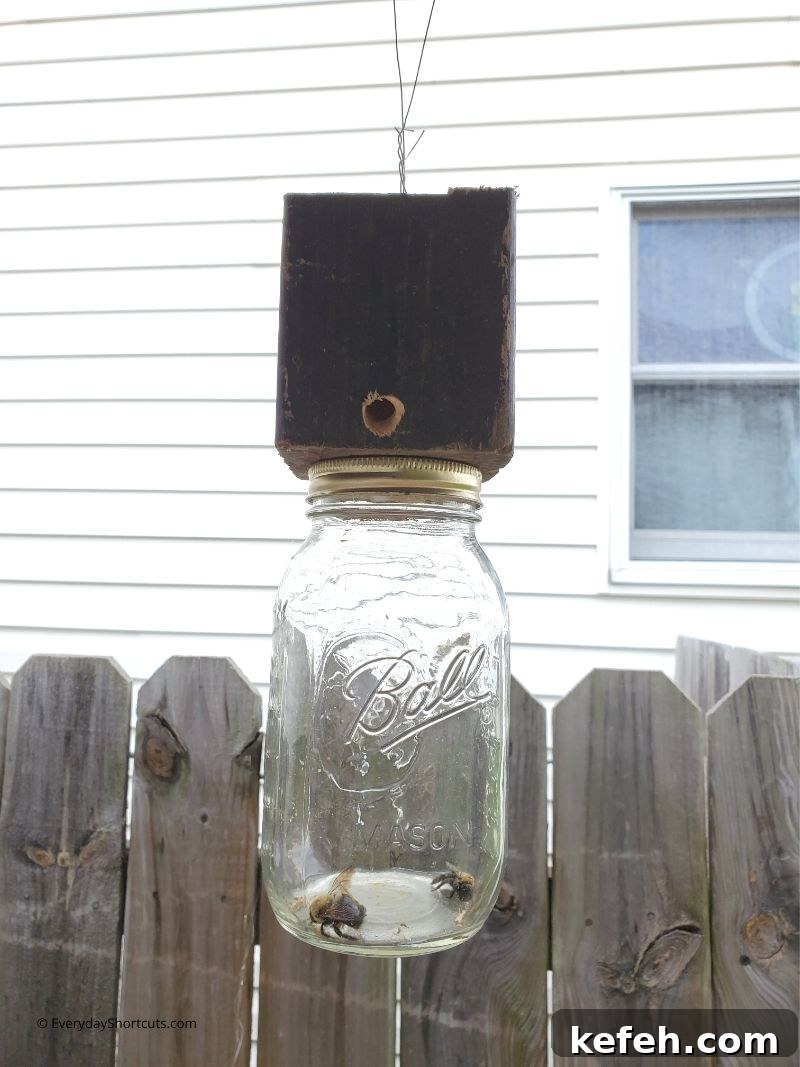
Building a simple carpenter bee trap yourself can help reduce the population and keep them from returning. Follow this clear step-by-step guide using common supplies to make an effective trap.
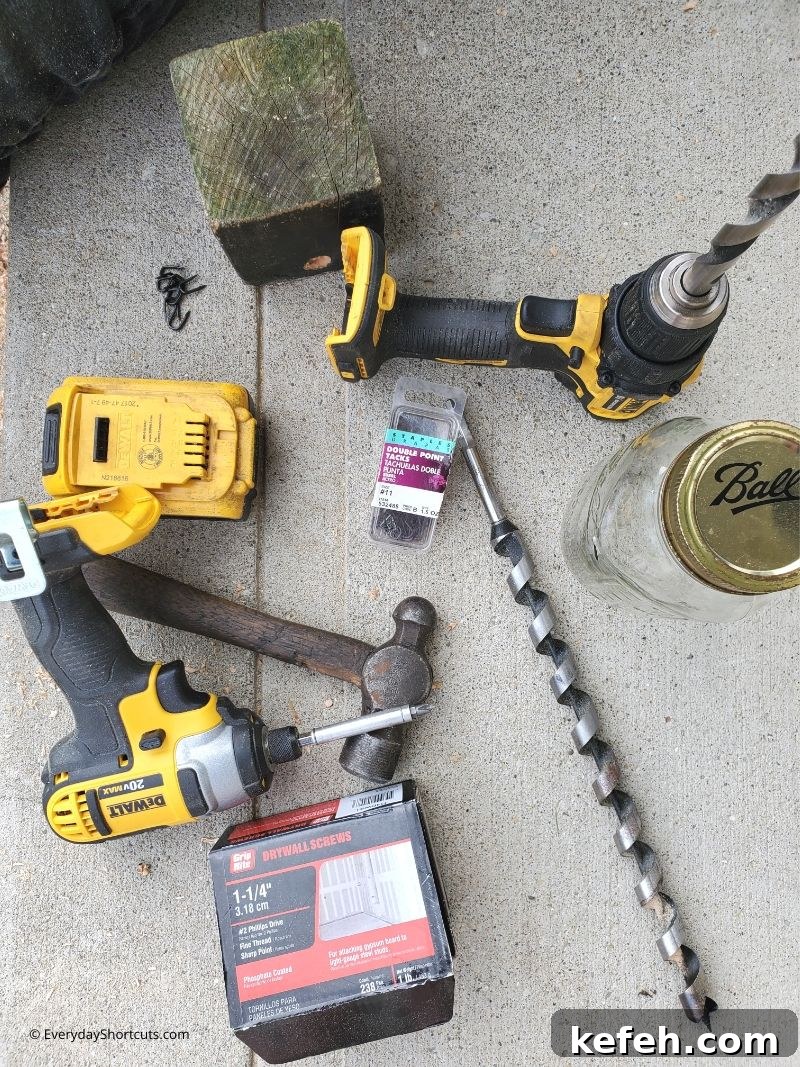
Supplies Needed
- 4×4 post (one piece)
- Circular saw or handsaw
- 2 drywall screws, 1.25″
- Mason jar (regular mouth)
- Drill
- 1/4″ nut driver
- 3/4″ wood boring bit (for main cavity)
- 1/2″ drill bit (for entry holes and lid)
- Hammer
- Screwdriver or drill bit for screws
- Double-point tack (for hanging)
- Welding wire or sturdy wire for a hanger
Best Wood for a Carpenter Bee Trap
Carpenter bees prefer softwoods like cedar and pine when creating nesting galleries. They don’t eat the wood, but they tunnel into it to build nests. Using a wood type they are attracted to helps make your trap more effective.
How to Build a Carpenter Bee Trap
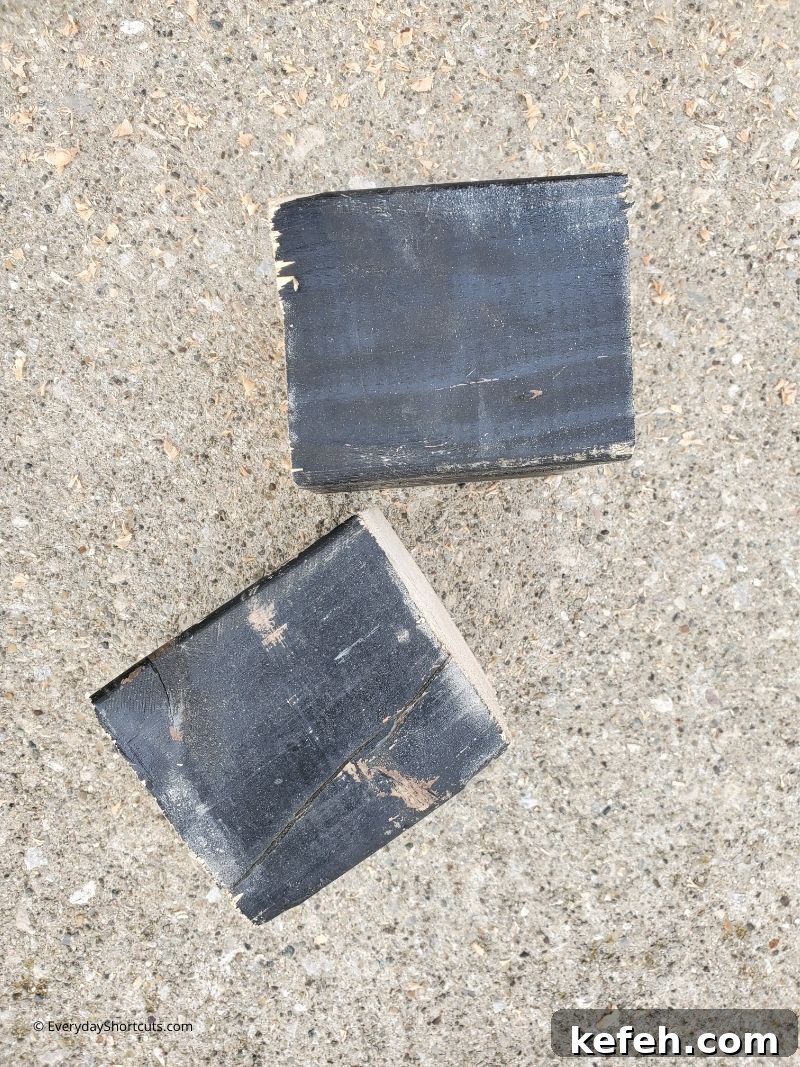
- Cut the 4×4 post to a block at least 7 inches tall using a circular saw or handsaw.

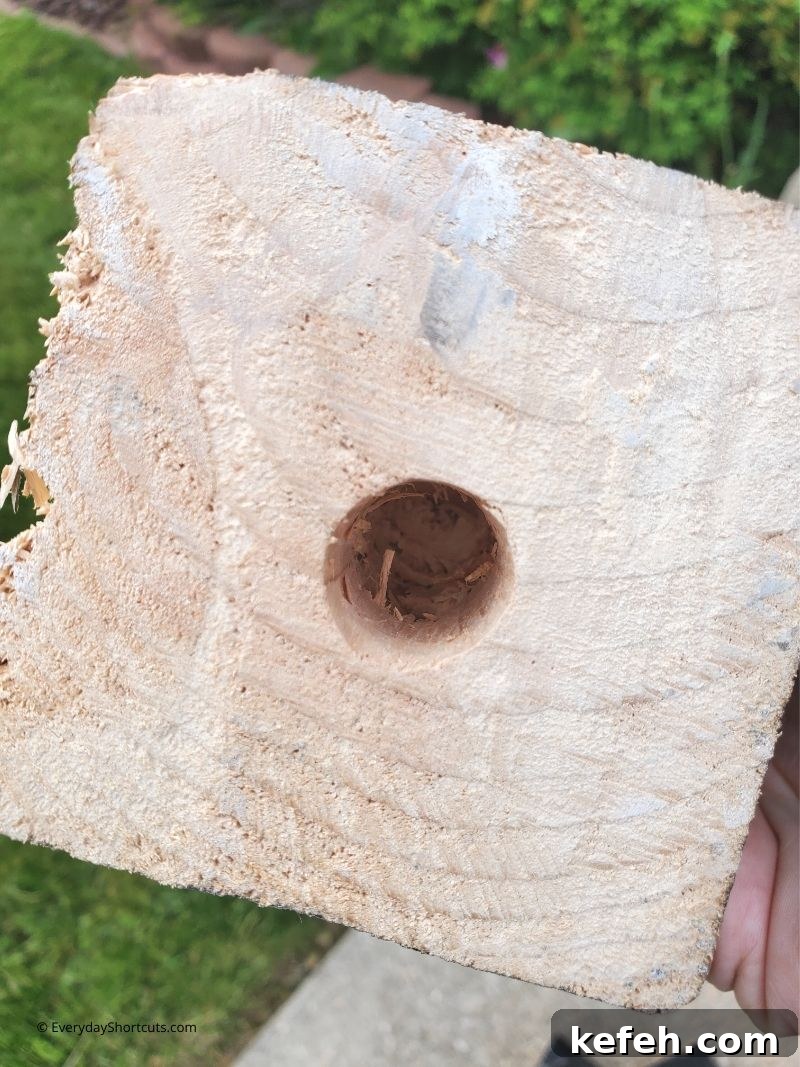
- Using the 3/4″ wood boring bit, drill a central cavity in the block about 3 inches deep. This creates the interior nesting chamber where bees will enter.
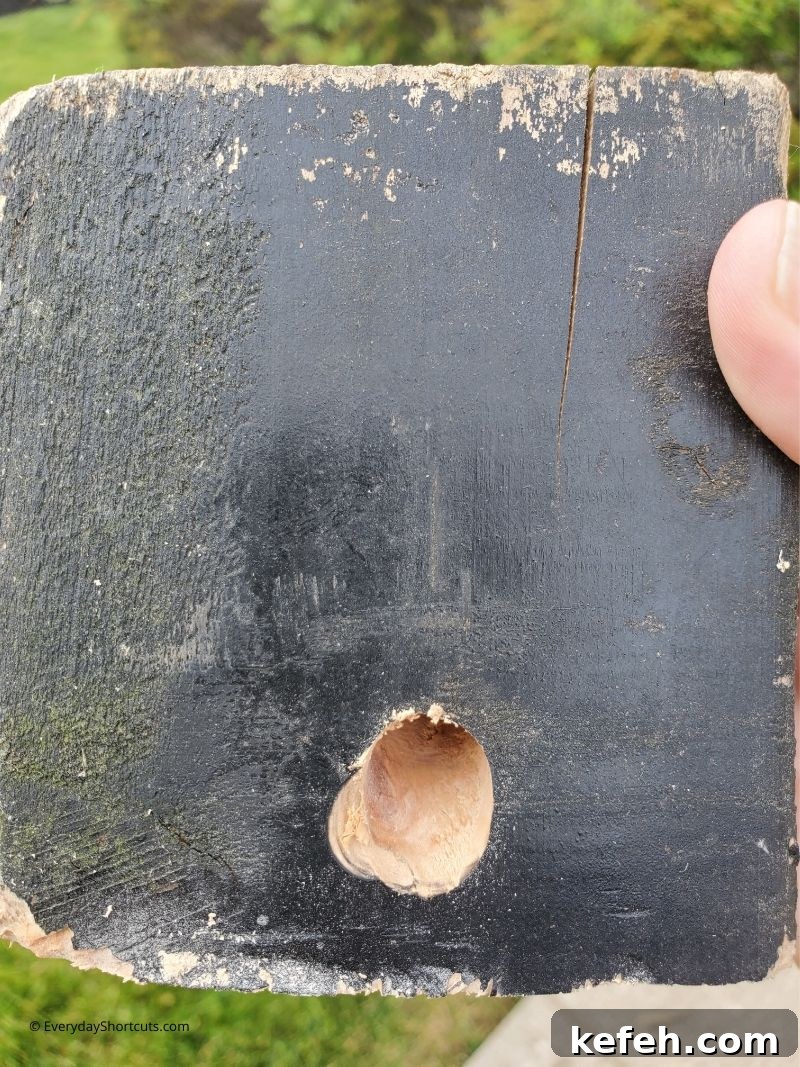
- On all four sides, drill 1/2″ entry holes angled at about 45 degrees. Place each hole about 1 inch up from the bottom edge and about 1 3/4 inches from each side, angling inward until it meets the central cavity. These angled entrances mimic natural tunnels and guide bees into the trap.
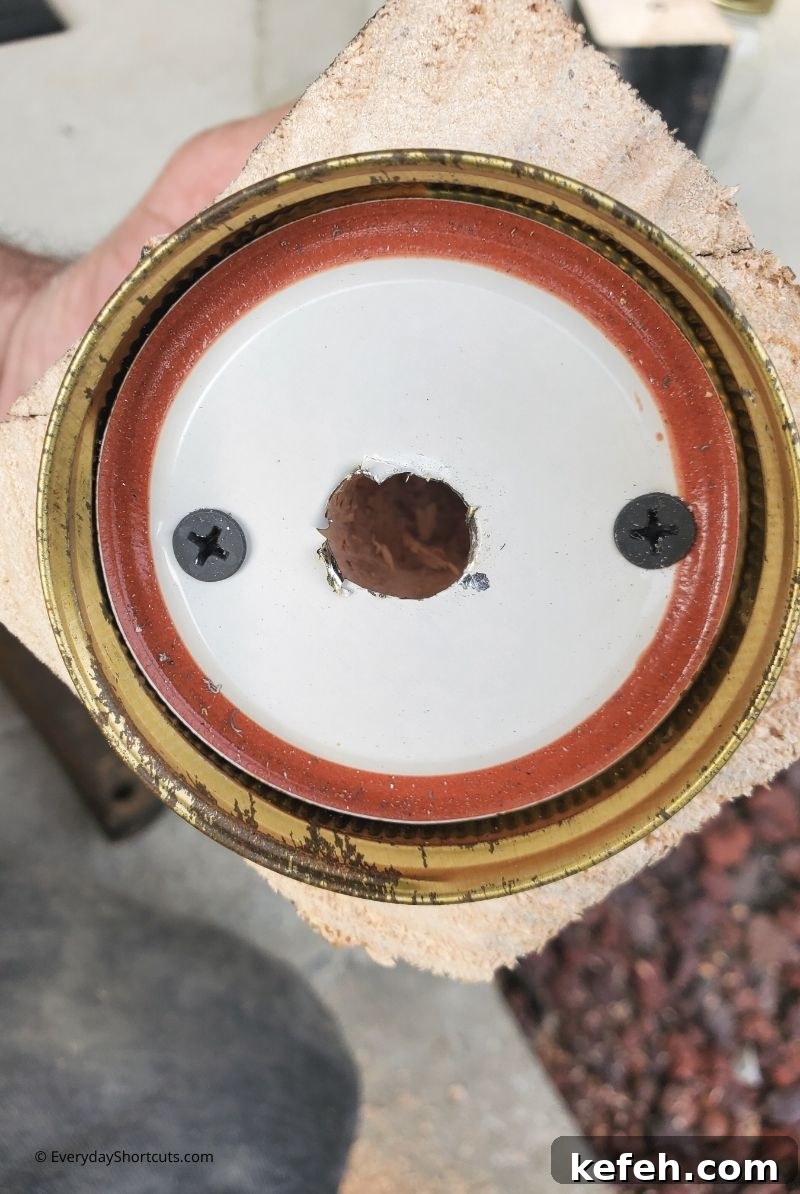
- Remove the lid from a regular-mouth mason jar and place it against the bottom of the wood block. Center the lid over the main cavity. Using a 1/2″ metal drill bit, drill a hole through the metal lid aligned with the center cavity so the jar will attach and collect any bees that fall through.
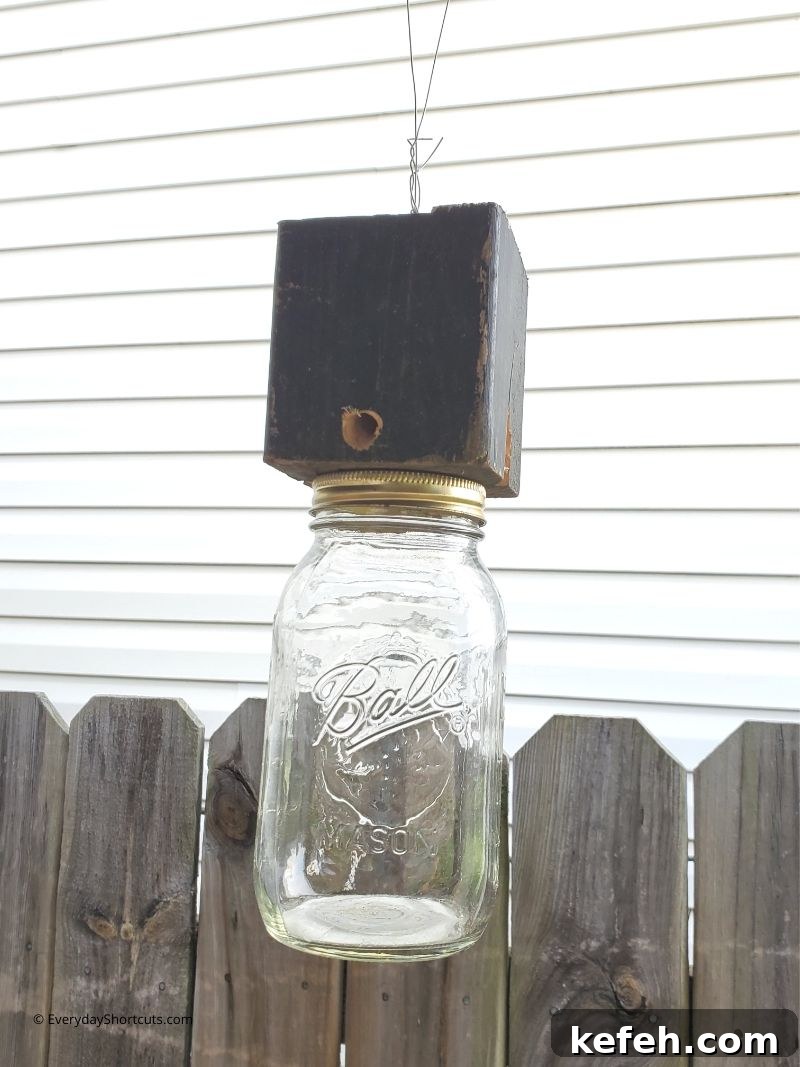
- Screw the lid to the bottom of the wood block using the two drywall screws. Tap a double-point tack into the top of the block with the hammer so you have a secure hanging point. Screw the mason jar onto the lid, then attach a welded wire hanger to the tack or wrap the wire securely around the block to form a hanger.
-
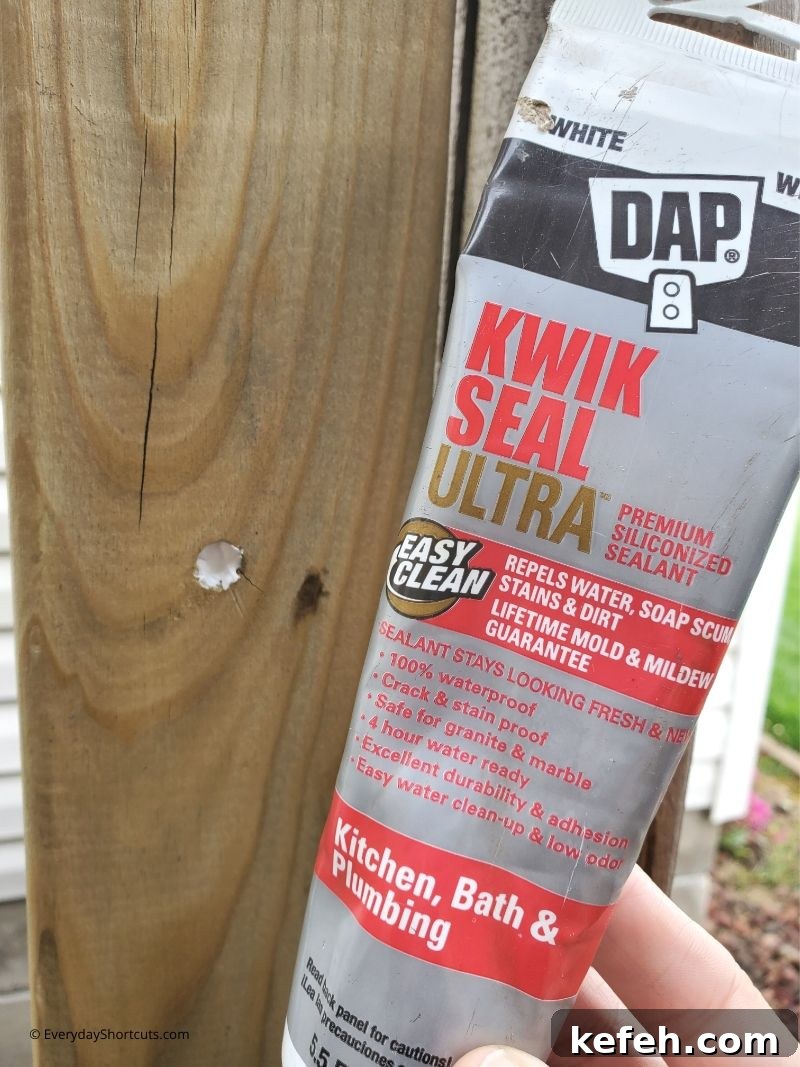
- Before hanging the trap, inspect the areas where carpenter bees have already made holes and fill those galleries with a durable caulk or other filler. Sealing existing tunnels prevents bees from returning to old nests and encourages them to seek new sites — ideally your trap.
- Hang the trap where you’ve observed bee activity. Because existing holes are now sealed, bees searching for nesting sites should be attracted to the new wooden block and enter through the angled holes. Once inside, they are likely to fall into the mason jar and be unable to escape.
Materials
- 4×4 post
- Circular or hand saw
- 2 drywall screws, 1.25″
- Mason jar (regular mouth)
- Drill
- 1/4″ nut driver
- 3/4″ wood boring bit
- 1/2″ drill bit
- Hammer
- Screwdriver or drill bit for screws
- Double point tack
- Welding wire
Instructions
- Cut a 4×4 post to at least 7 inches tall.
- Drill a 3-inch-deep center cavity using a 3/4″ wood boring bit.
- Drill four 1/2″ entry holes at a 45° angle on each side, 1″ up from the bottom and about 1 3/4″ from each edge, meeting the center cavity.
- Center the mason jar lid on the bottom of the block and drill a 1/2″ hole through the lid into the cavity.
- Screw the lid to the block with the two drywall screws. Attach the mason jar and add a wire hanger. Insert a tack at the top to hang the trap securely.
- Seal existing carpenter bee holes around the area with caulk or a similar filler to prevent bees from returning to old nests.
- Hang the trap where bees have been active. With old holes sealed, bees will search for new nesting sites and should be attracted to the trap, entering through the angled holes and becoming trapped in the jar.
This simple trap uses the bees’ natural behavior to lure them away from your structures. Regularly check the trap and dispose of captured bees humanely according to local guidelines, then replace the jar as needed. Sealing old tunnels and maintaining traps can significantly reduce carpenter bee damage over time.