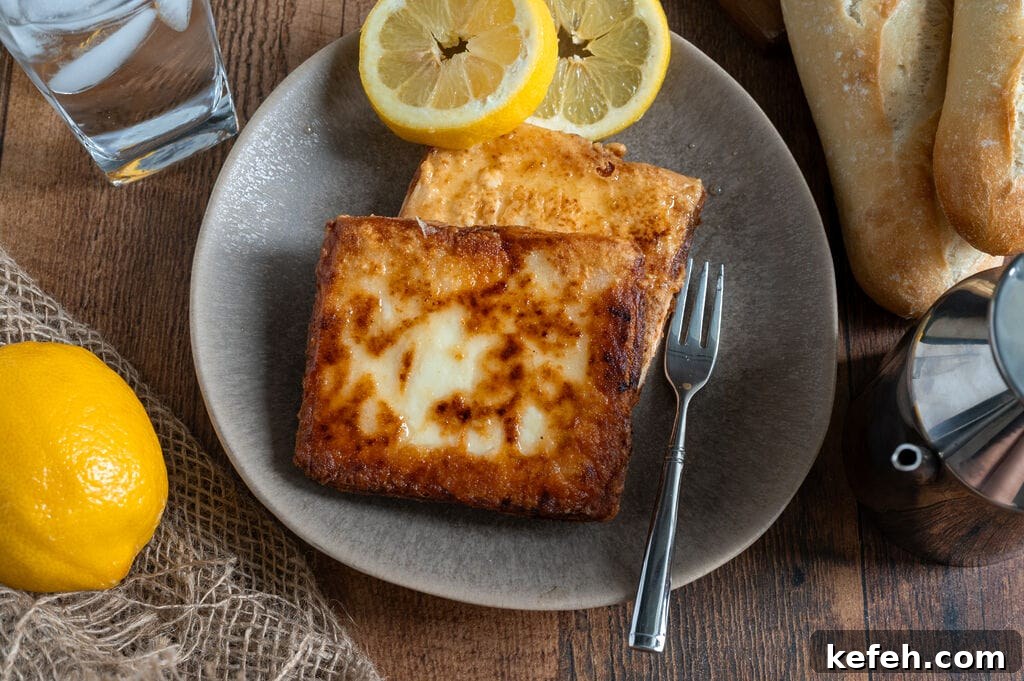
Learn how to make authentic Greek cheese saganaki at home with this simple, reliable recipe. This beloved Greek meze is easy to prepare and delivers the same crisp exterior and melting interior you expect from a tavern—now in your own kitchen.
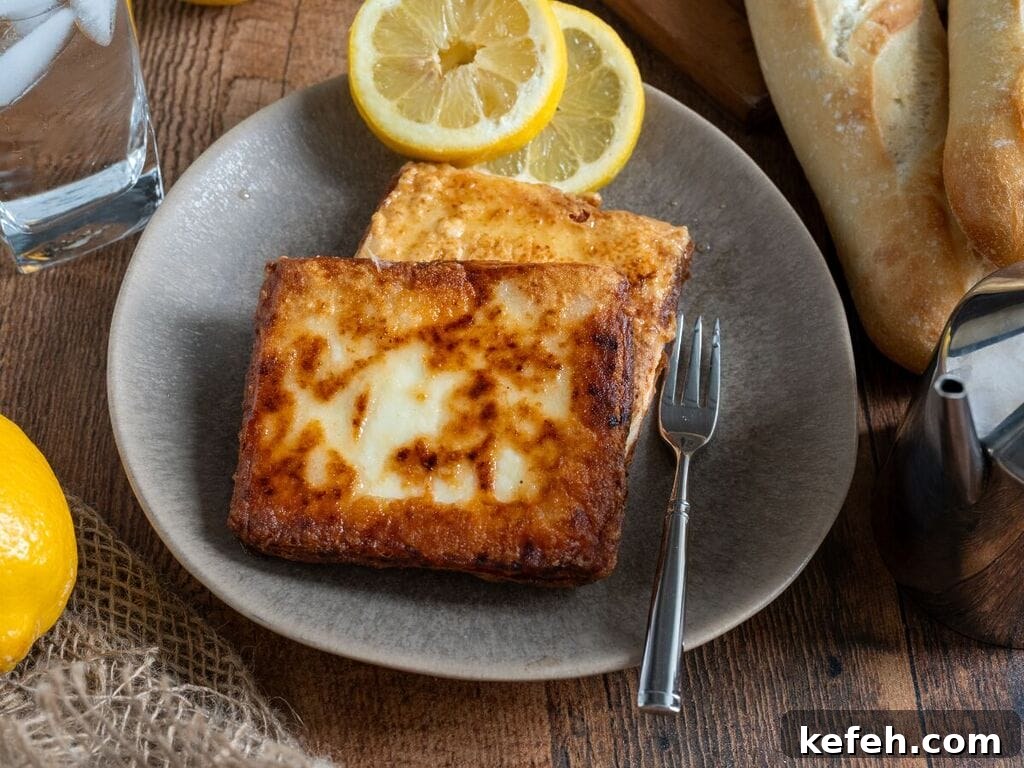
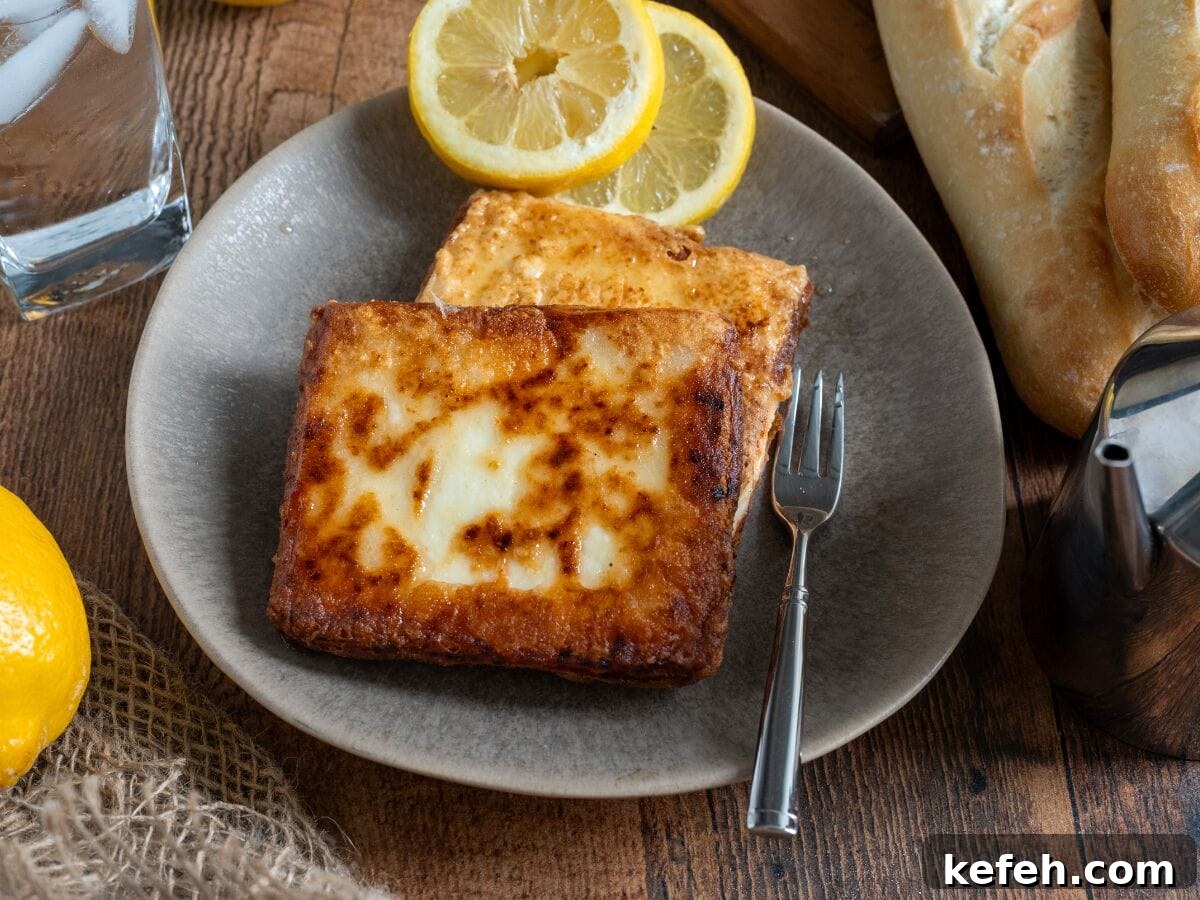
In many Greek homes, saganaki is a staple appetizer. Families who remembered traditional cooking from the old country often prepared it at home, turning a block of sturdy Greek cheese into a golden, crackling meze that pairs perfectly with lemon. The secret to great saganaki is choosing the right cheese and following a few simple steps to protect the coating while frying so the cheese melts inside without leaking or burning.
Why I love this recipe
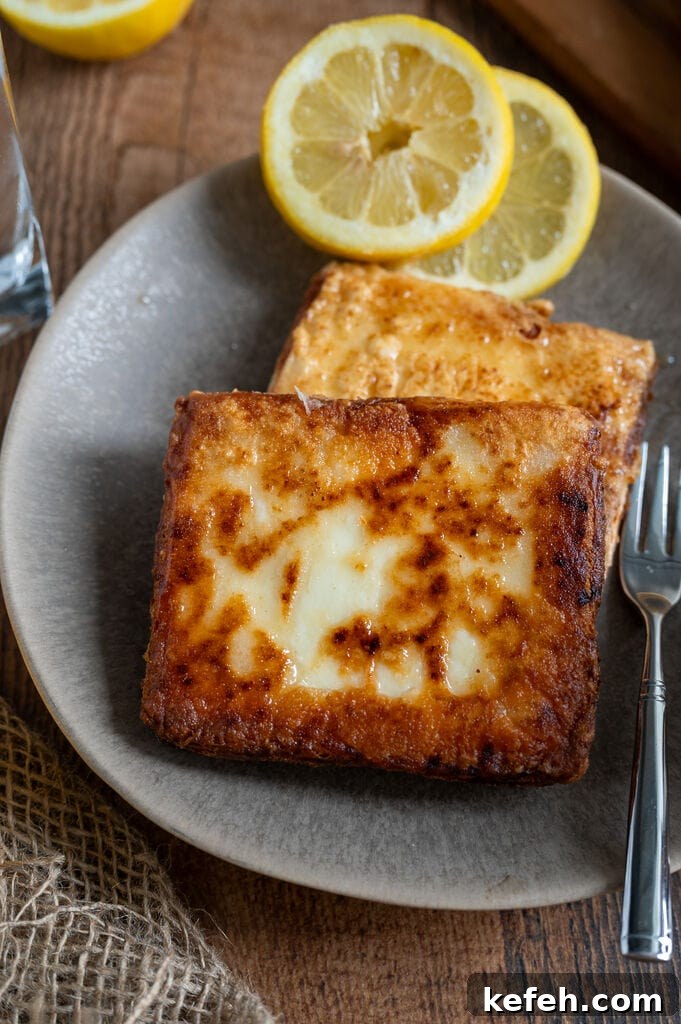
This version of saganaki uses traditional Greek cheeses that hold up to frying and become delectably melty inside. In our family we prefer kefalotyri or kefalograviera—both are sheep or goat milk cheeses with a firm texture and bold flavor. When prepared correctly the outside is crisp and caramelized while the interior becomes soft and luxurious.
Making saganaki at home is much more affordable than ordering it in a restaurant, and it’s fast to prepare. A short prep and a few minutes in the pan produce an impressive and tasty appetizer that’s perfect for sharing.
Key ingredients
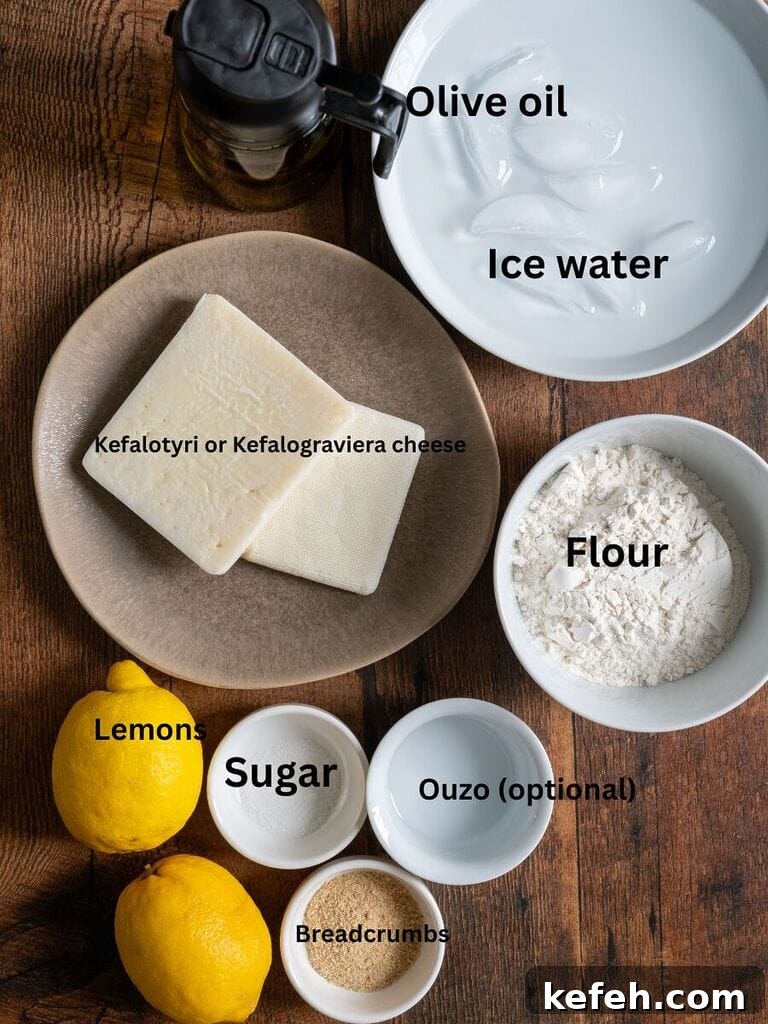
Kefalotyri or Kefalograviera: Firm Greek cheeses made with sheep or goat milk. They hold their shape when fried and develop a wonderful, slightly fruity flavor.
All-purpose flour: For a simple, even coating that crisps nicely.
Bread crumbs: Optional but recommended for extra crunch in the crust.
Sugar: A small amount encourages caramelization and adds a subtle sweetness to the crust.
Ice water: Essential. Dunking the cheese in ice water between coats keeps the flour mixture adhering and prevents burning in the hot oil.
Olive oil: Use a good-quality olive oil for authentic flavor; it fries well at the moderate temperatures used for saganaki.
Lemon: Fresh lemon wedges are the classic accompaniment—squeeze over the fried cheese just before serving.
How to make it
Step 1
Choose two bowls large enough to hold your cheese pieces. In one bowl combine the flour, sugar and breadcrumbs. Fill the second bowl with ice water.
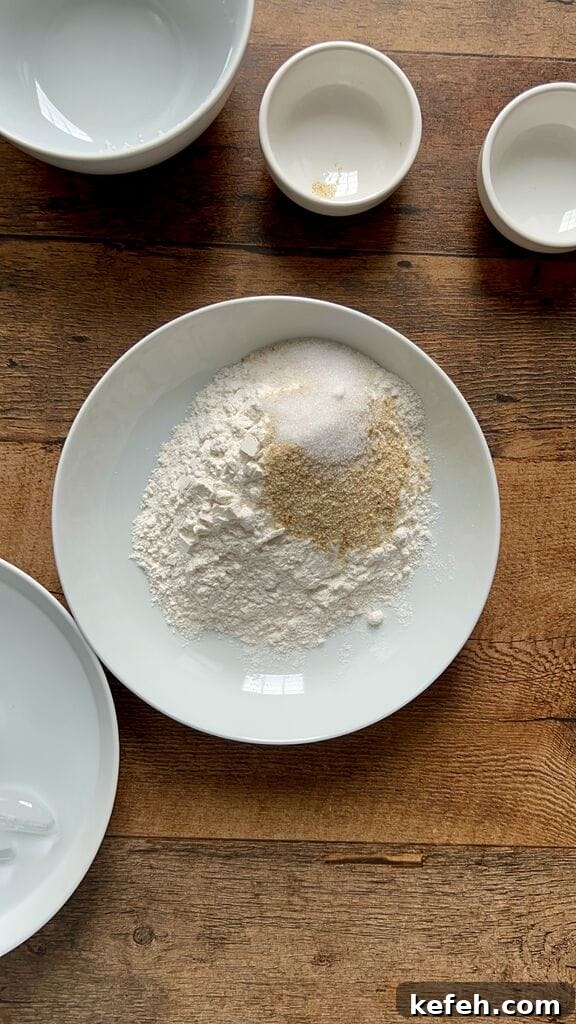
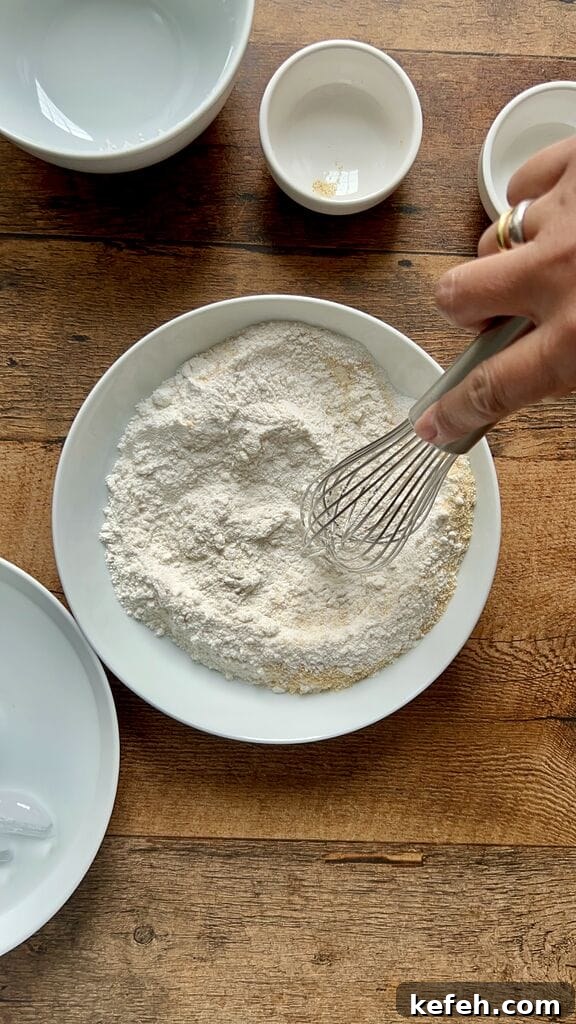
Step 2
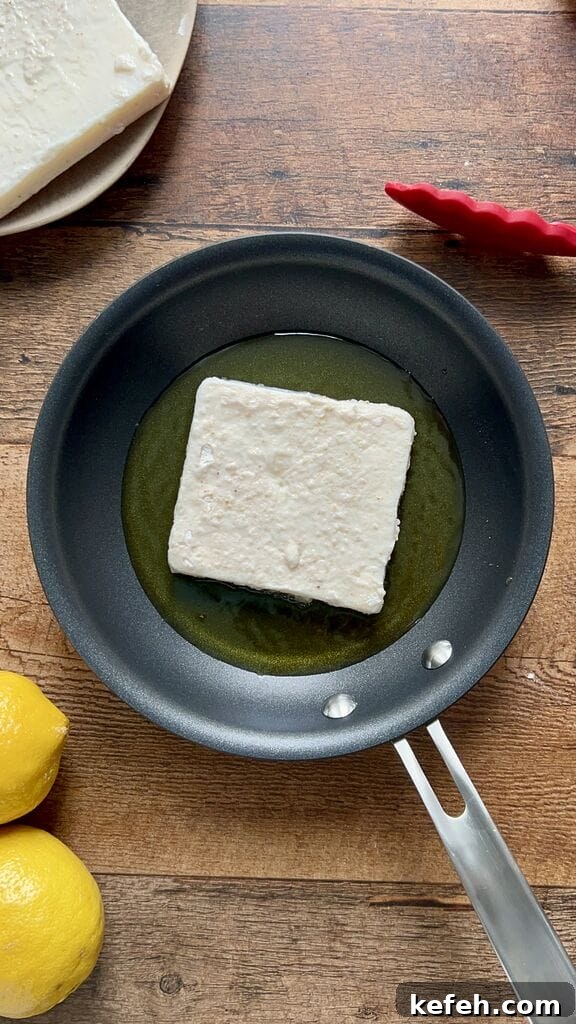
Pour enough olive oil into a frying pan to cover the bottom with about 1 cm (a little under 1/2 inch). Heat the pan over medium heat until the oil shimmers.
Step 3
Working with one piece of cheese at a time: dunk the cheese into the ice water, then coat in the flour mixture. Dunk again in the water, then press into the flour a second time. Finish with a quick final dunk in the water to seal the coating.
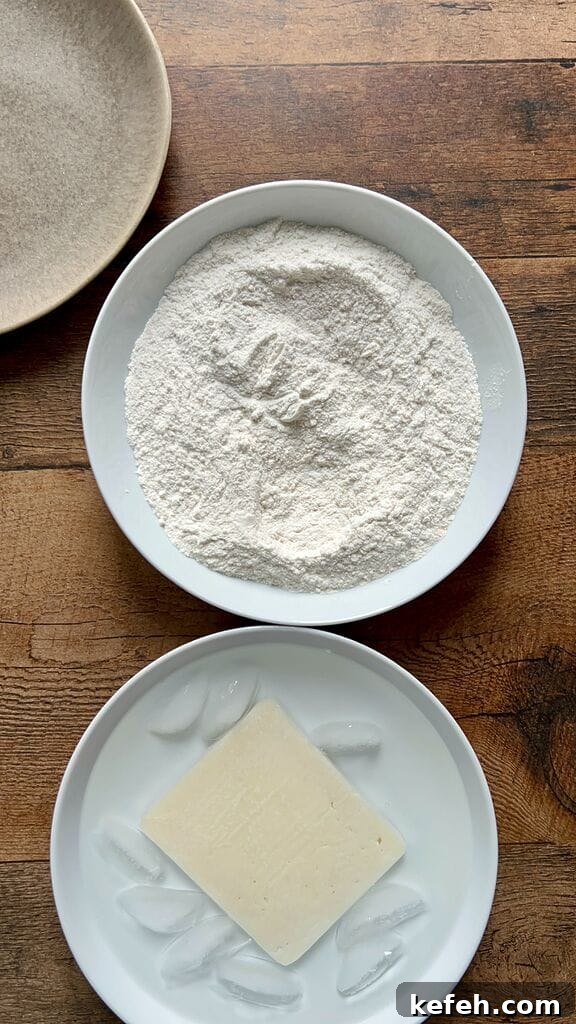
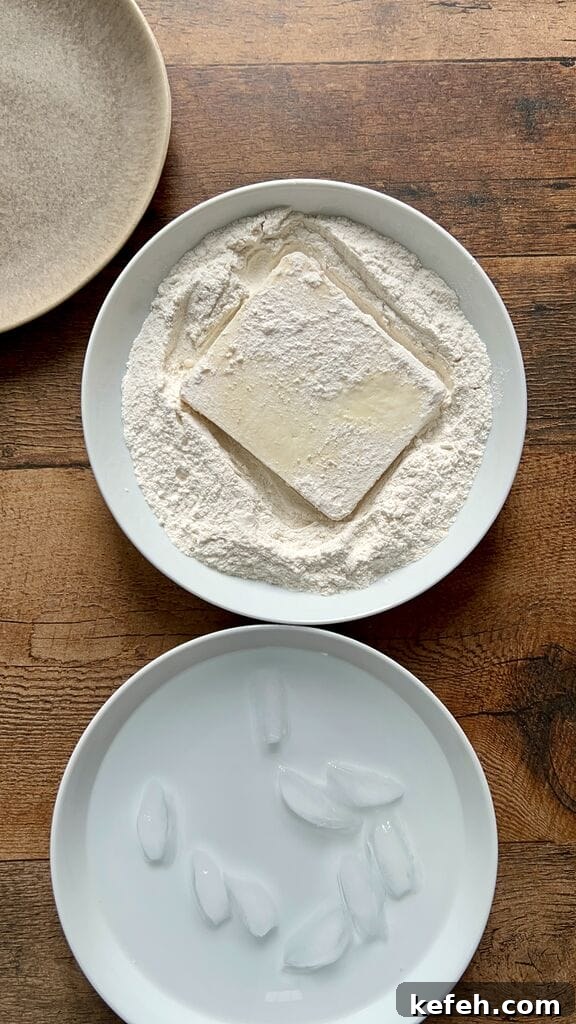
Step 4
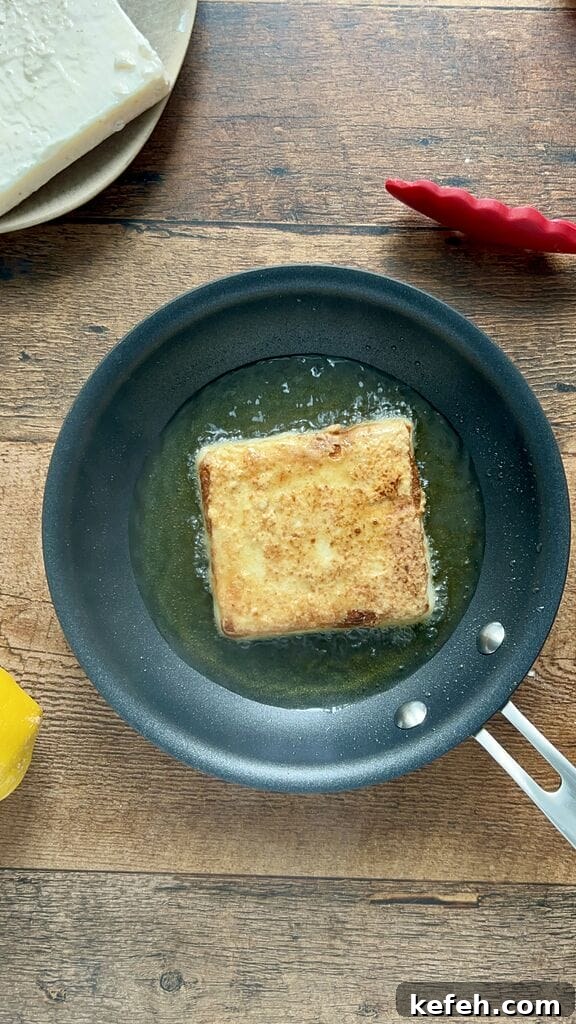
Immediately place the coated cheese into the preheated pan. Fry as many pieces as will fit without crowding—overcrowding lowers the oil temperature and prevents crisping.
Step 5
Fry each side 3–4 minutes until golden brown and crisp. Turn carefully and cook the opposite side. Remove to a warm plate.
Step 6
Serve immediately with lemon wedges. Squeeze lemon over the hot cheese just before eating to brighten the flavor.
Recipe substitutions
If you cannot find kefalotyri or kefalograviera, suitable alternatives include halloumi or kasseri. Some cooks use a firmer feta, but choose a cheese that holds shape when heated. Vegetable oil can be used in place of olive oil if preferred. To make this gluten-free, use gluten-free flour and breadcrumbs—or omit breadcrumbs entirely.
Helpful hints
Breadcrumbs add crunch while a teaspoon of sugar encourages browning. The ice water baths are crucial: they help the coating adhere and prevent it from burning in the hot oil. Cut the cheese into rectangles about 1/2 inch thick, 4 inches long and 2 inches wide for the best frying shape.
For a dramatic finish, some serve saganaki flambéed with a splash of brandy or ouzo added off heat and briefly ignited. If you attempt this, remove the pan from the heat first, keep flammable materials away and use a long lighter. Alternatively, simply add the alcohol and let it cook in the pan for a minute or two—the flavor remains without the flame.
Recipe variations
Try wrapping feta in phyllo for a different fried-cheese appetizer, or coat feta in sesame and serve with honey and walnuts. Those variations offer similar crisp-and-melt contrast with distinct textures and flavors.
How to serve
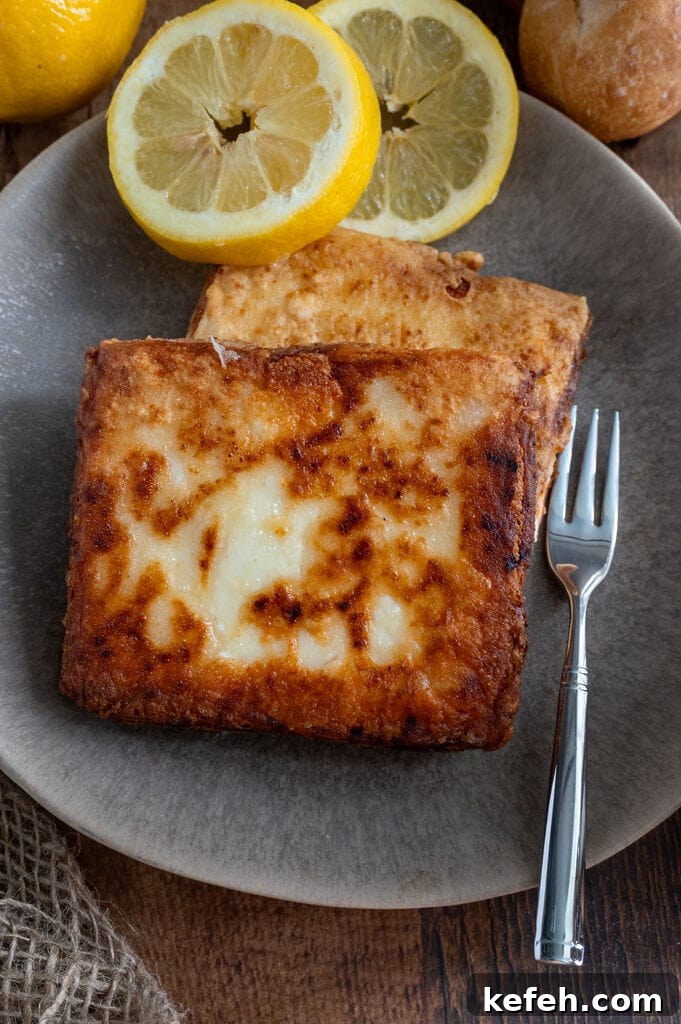
Saganaki is best served hot and fresh. Offer lemon wedges for squeezing and small plates for sharing. It pairs well with crusty bread, olives, and other meze like grilled vegetables or a simple green salad.
Recipe for Greek Cheese Saganaki
Ingredients (serves 4)
- 4–6 pieces kefalotyri or kefalograviera, cut into rectangles about 1/2″ thick, 4″ long and 2″ wide
- 1 cup all-purpose flour
- 1 teaspoon granulated sugar
- 1 tablespoon plain breadcrumbs (optional)
- Olive oil for frying (enough to cover pan bottom to ~1 cm)
- 2 tablespoons brandy (Metaxa) or ouzo, optional for flavor or flambé
- Lemon wedges to serve
Instructions
- In one large bowl combine flour, sugar and breadcrumbs. Fill a second bowl with ice water.
- Heat olive oil in a frying pan over medium heat until shimmering.
- Dunk a piece of cheese in the ice water, coat in the flour mixture, dunk again, re-coat, then finish with a quick dunk in the water.
- Place coated cheese in the hot pan. Fry without crowding until golden, about 3–4 minutes per side.
- If using alcohol for a flambé finish, remove the pan from heat, add the alcohol and ignite cautiously with a long lighter, or simply cook the alcohol off in the pan for a minute.
- Serve immediately with lemon wedges and enjoy.
If you try this recipe, please share your experience and adjustments—saganaki is an easy, crowd-pleasing appetizer that rewards small personal touches.