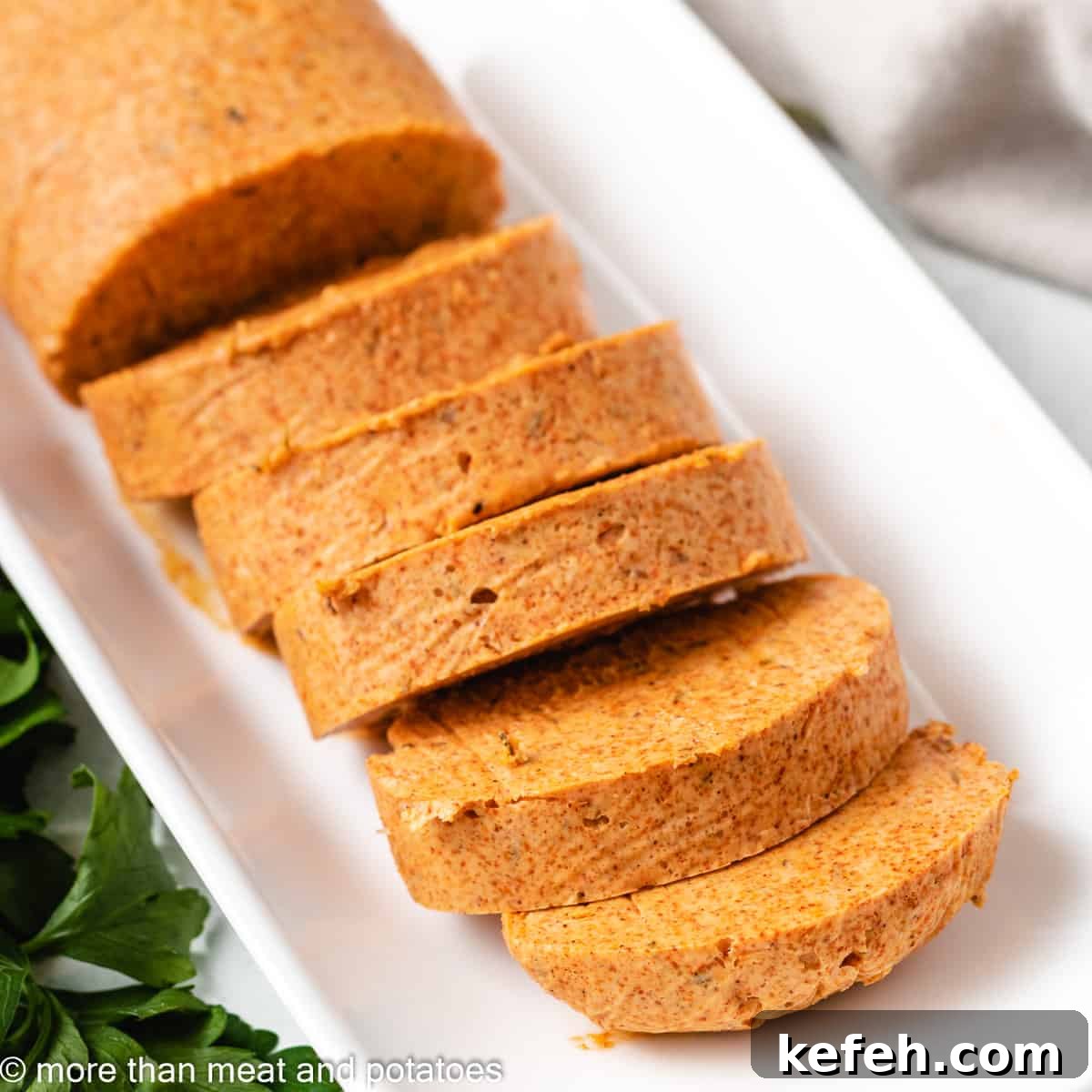
Cajun Compound Butter is simple to make and brings bold, spicy flavor to steaks, seafood, vegetables, bread, and more. With a few pantry spices and softened butter, you’ll have a versatile flavored butter ready to elevate many dishes.
This compound butter pairs well with grilled steak bites, shrimp, baked fish, scrambled eggs, or toasted bread.
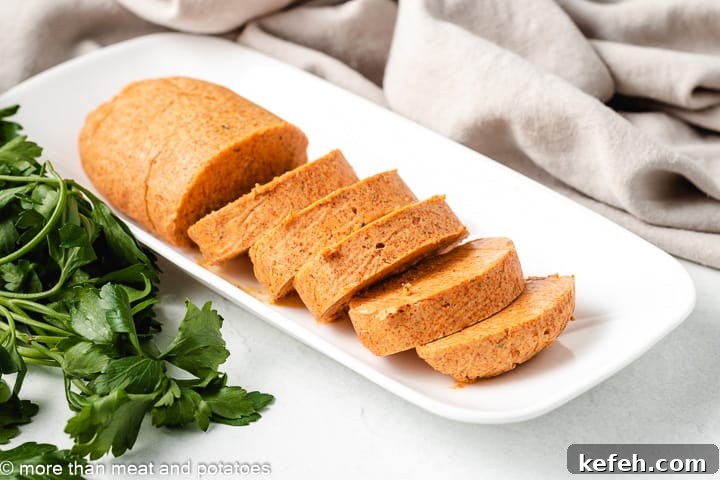
Cajun compound butter is a seasoned butter blend that adds heat and savory depth to foods. The spice level is driven by cayenne pepper, so you can reduce or omit it to suit your taste. The rest of the seasoning—paprika, garlic, onion powder, white pepper, oregano, thyme, and salt—gives a rich, balanced flavor.
Making compound butter is mostly hands-off: soften the butter, stir in the spices, shape into a log, and chill until firm. Preparation is quick and the result stores well in the fridge or freezer.
How to Make Cajun Compound Butter:
Start with softened unsalted butter so the seasonings blend easily. You can mix by hand with a spoon or pulse briefly in a food processor for a smooth, even mixture.
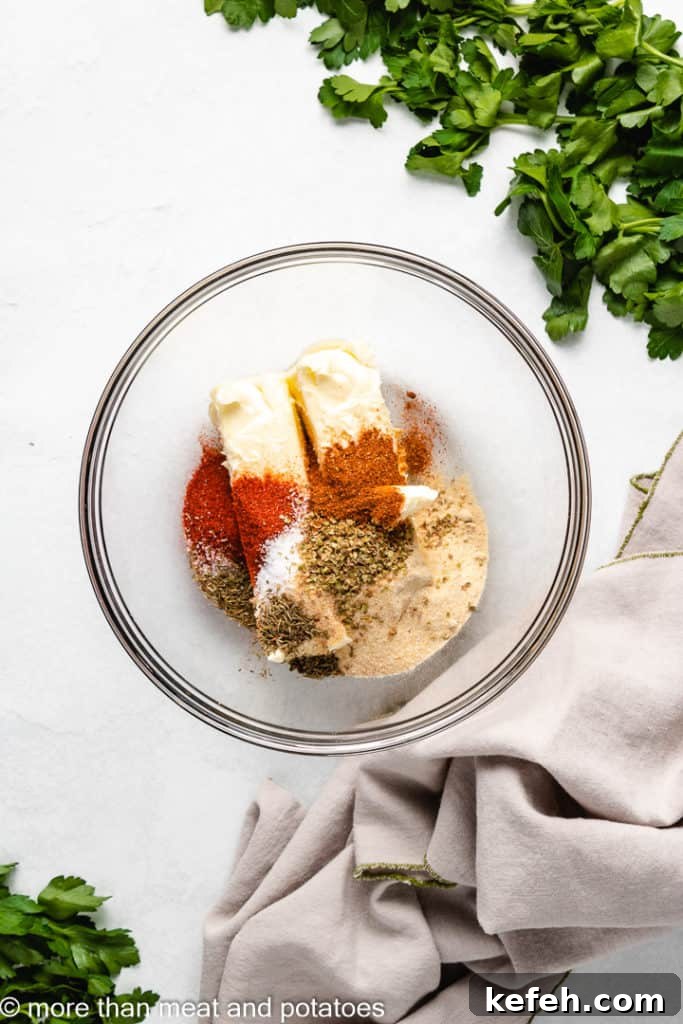
Add the spices and mix thoroughly so the flavors are evenly distributed. The suggested blend includes paprika, salt, garlic powder, onion powder, white pepper, oregano, cayenne (adjustable), and thyme.
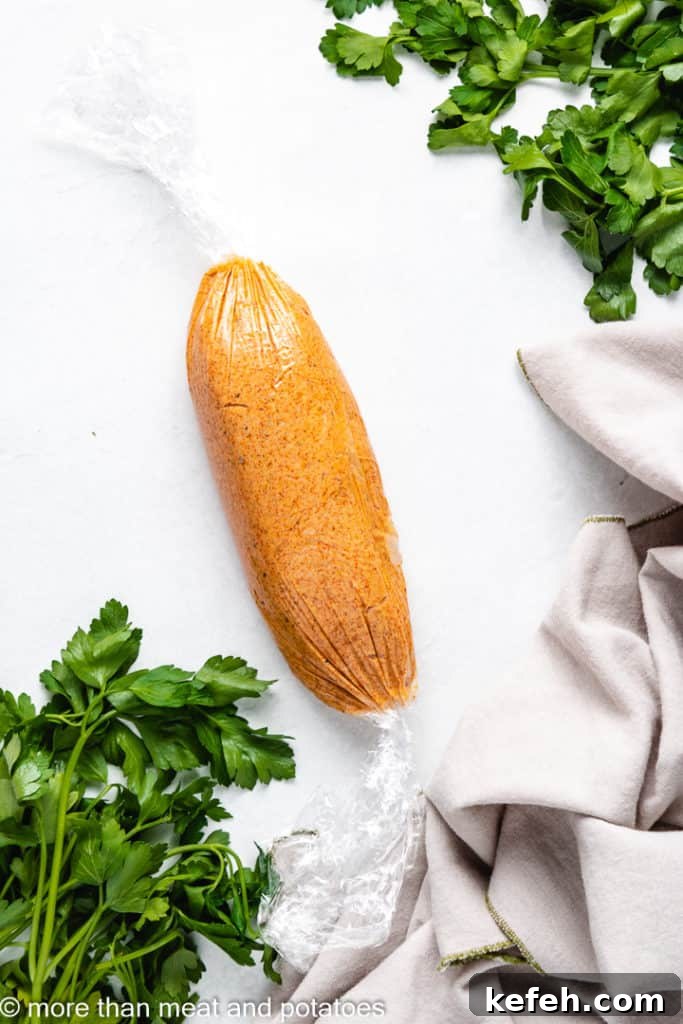
Transfer the seasoned butter to a sheet of plastic wrap, parchment, or waxed paper. Shape it into a log, then wrap it tightly and twist the ends. Chill until firm—usually an hour or two, or longer if the butter was very soft.
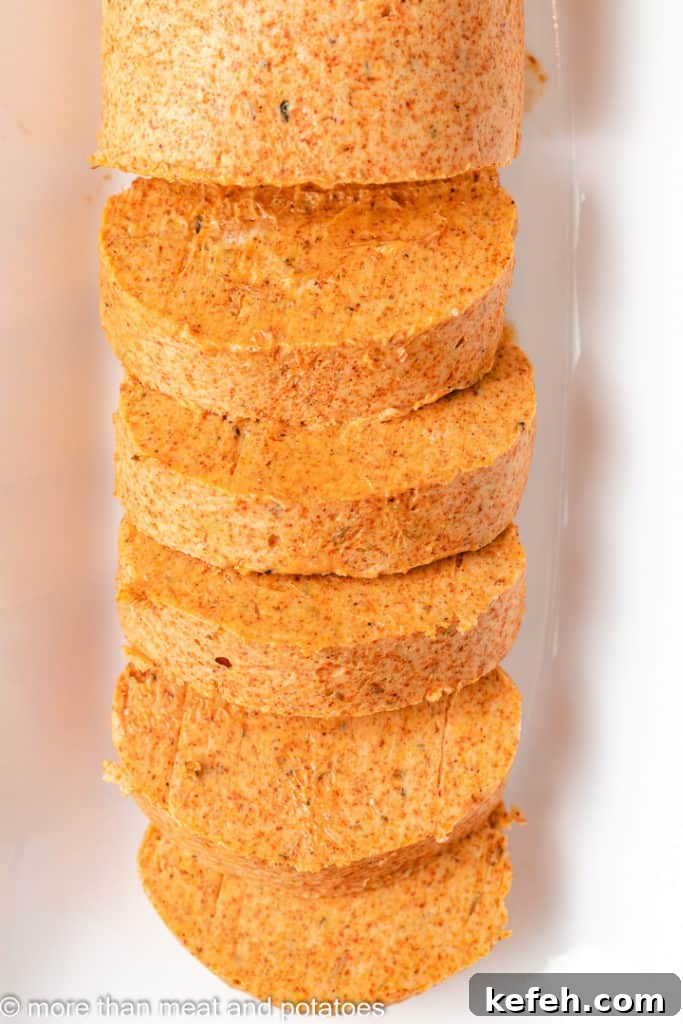
Once chilled, slice off rounds as needed and let them soften slightly on hot foods so the butter melts and releases its spice and aromatics. Store the log in an airtight container in the refrigerator for up to two weeks, or freeze for longer storage.
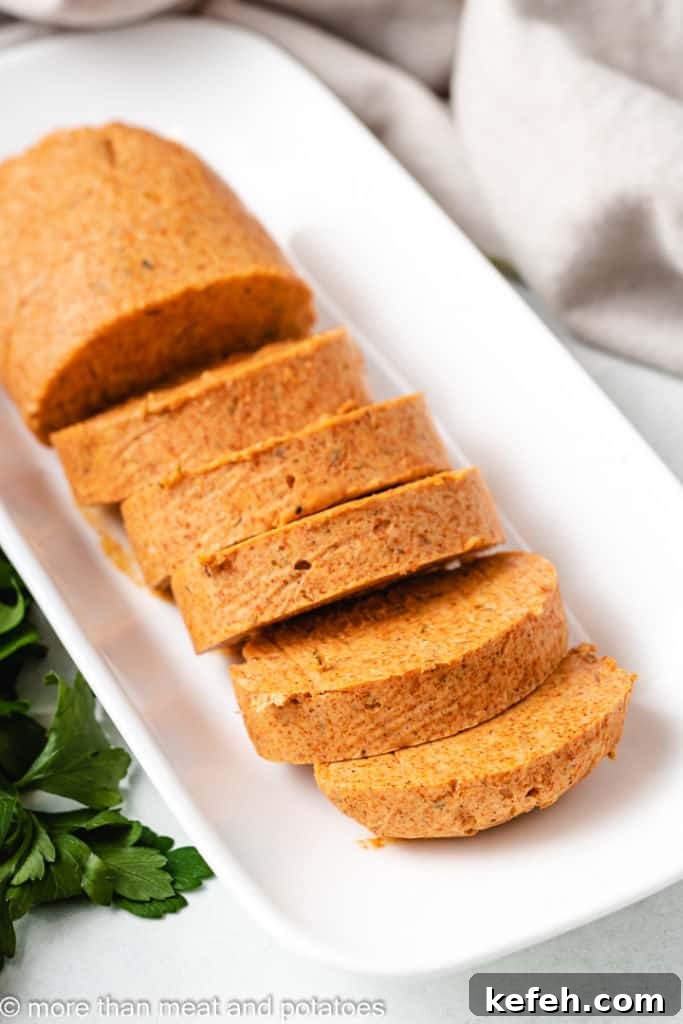
To use, unwrap the chilled log and cut the amount you want. A tablespoon is a typical serving for finishing a portion of meat or seafood.
Is Cajun compound butter spicy?
Yes—this butter has a noticeable kick from cayenne pepper. Reduce the cayenne or omit it entirely if you prefer mild flavors. The other spices still provide plenty of savory depth without the heat.
What goes with Cajun butter?
This butter complements steak, fish, shrimp, chicken, eggs, and bread. It’s also great melted over roasted vegetables or tossed with pasta for a quick, flavorful finish.
Can you freeze Cajun butter?
Yes. Wrapped tightly and stored in an airtight container or freezer bag, Cajun compound butter can be frozen for up to four months. Thaw in the refrigerator before slicing.
Can you use store-bought Cajun seasoning?
Absolutely. If using a pre-made Cajun seasoning, start with a small amount and adjust to taste since commercial blends vary in salt and heat. This recipe is flexible and can be halved or multiplied to match the quantity you need.
Other recipes you may love:
- Blueberry Curd
- Mango Pineapple Salsa
- Vegetable Cream Cheese
- Roasted Garlic Butter
- Homemade Ranch Dressing
- Simple Herb and Garlic Cream Cheese
- Homemade Mayo
Cajun Compound Butter
How to Video
What You’ll Need
- 1 cup unsalted butter, softened
- 1 tablespoon paprika
- 2 teaspoons salt
- 2 teaspoons garlic powder
- 2 teaspoons white pepper
- 1 teaspoon onion powder
- 1 teaspoon oregano, dried
- 1 teaspoon cayenne pepper, adjust to desired spice level
- ½ teaspoon thyme, dried
How to Make It
-
Allow the butter to soften until it can be easily stirred.
-
In a medium bowl, combine the butter and all the spices until well mixed. Place the mixture onto a large piece of plastic wrap, and shape into a log.
-
Roll the plastic wrap shut, and twist the ends tight. Transfer the butter to the refrigerator to firm, about 2-3 hours.
-
Once the butter firms, it’s ready to use as needed. Store in the refrigerator in a sealed container for up to 2 weeks or freeze for longer storage.
Suggested Equipment
-
Mixing Bowls
Notes
- This recipe is spicy—adjust the cayenne to control the heat. The overall spice blend works especially well with meats and seafood.
- Nutrition information is an estimate based on the recipe and a 1-tablespoon serving; actual values may vary.