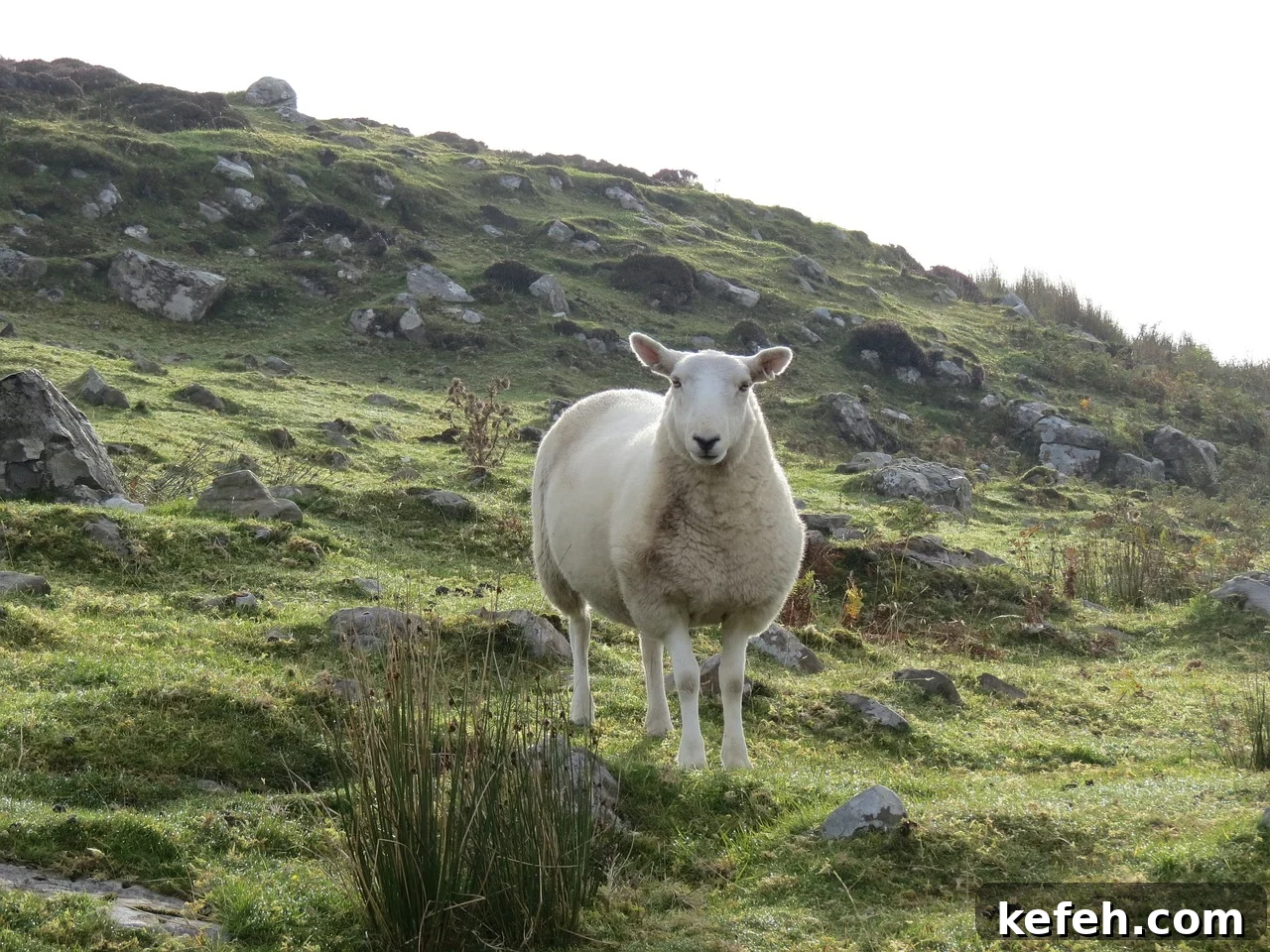
Lately I’ve been researching dairy sheep because I realized how little I know about them and because, when the time comes to have children, I want a reliable source of wholesome milk for the family.
As a Lyme disease carrier, breastfeeding carries a greater risk of passing my condition to an infant. On top of that, my husband’s family has a history of dairy sensitivities and allergies. That combination makes planning ahead for an alternative milk source important to us.
We decided it would be wise to keep a dairy animal whose milk is easier on the digestive system. That led us to weigh the pros and cons of goats versus sheep.
POSSIBILITY OF GOATS
At first, goats seemed like the obvious choice. They can be excellent milkers, and many homesteaders rely on them. However, goats are notorious escape artists: they can get out of almost anything and into everything. We want gardens, berries, and fruit trees that stay intact, so animals that roam freely are less appealing.
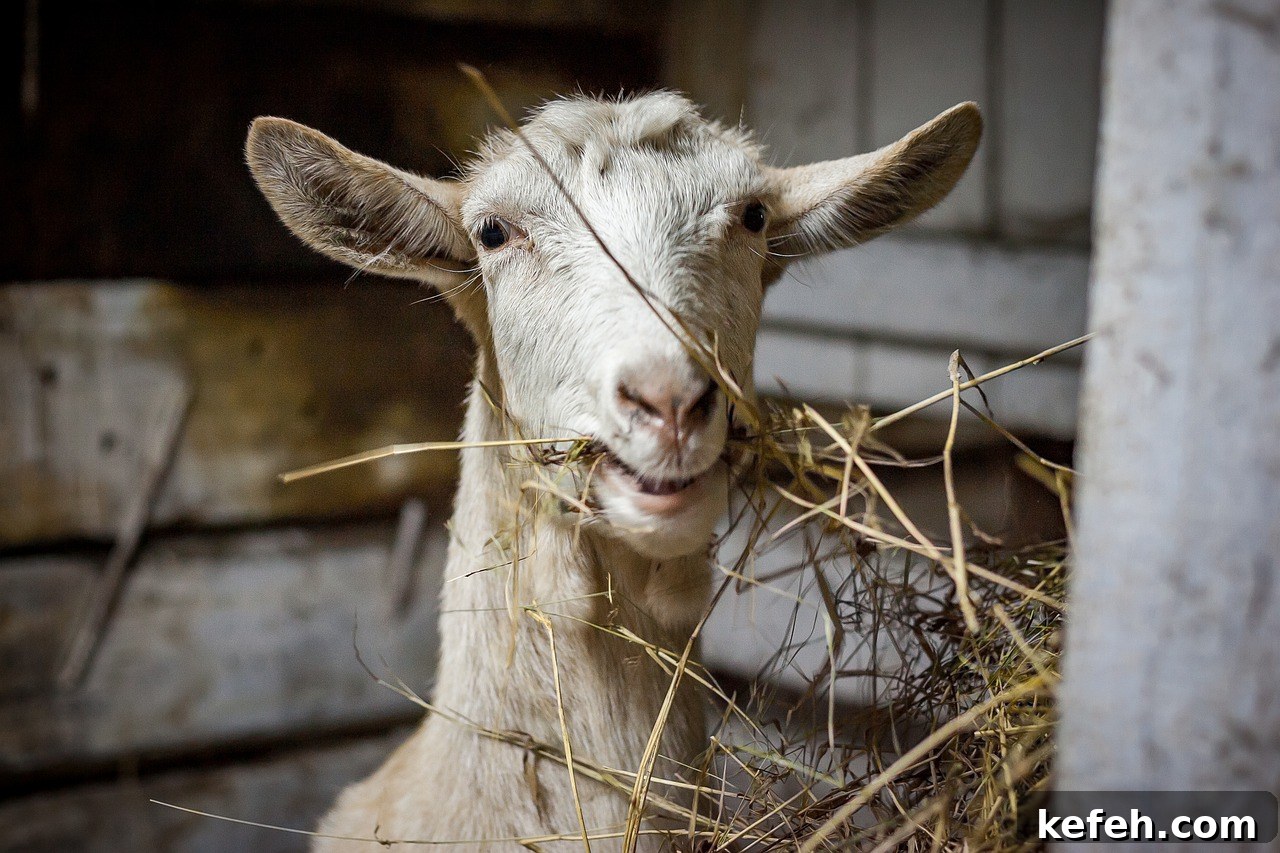
Another consideration is male goats (bucks). Bucks are typically necessary for small-scale breeding and have a very strong odor, which can be unpleasant on a small acreage. Also, a goat’s milk flavor depends heavily on diet and can sometimes develop a pronounced “goaty” taste that many people find off-putting.
Because of those concerns, we began looking more seriously at sheep.
WHY SHEEP MILK?
Sheep milk can be a good option for people who struggle with cow or goat milk. Sheep milk has smaller fat globules than cow or goat milk, which can make it easier to digest for some individuals. Given our family history of dairy sensitivity, that potential benefit is important to us.
Based on my research, sheep’s milk tends to maintain a steady, milky flavor more like cow milk and is not supposed to become “sheepy” the way goat milk sometimes does.
Sheep milk generally contains higher levels of natural fats, vitamins, and minerals compared with cow or goat milk. Its average butterfat content is notably higher—often around 9%—compared with typical goat milk (around 4.2%) and cow milk (around 3.8%). Many people describe sheep milk as very creamy and, to some palates, quite sweet, sometimes making it less appealing to drink straight but excellent for dairy products.
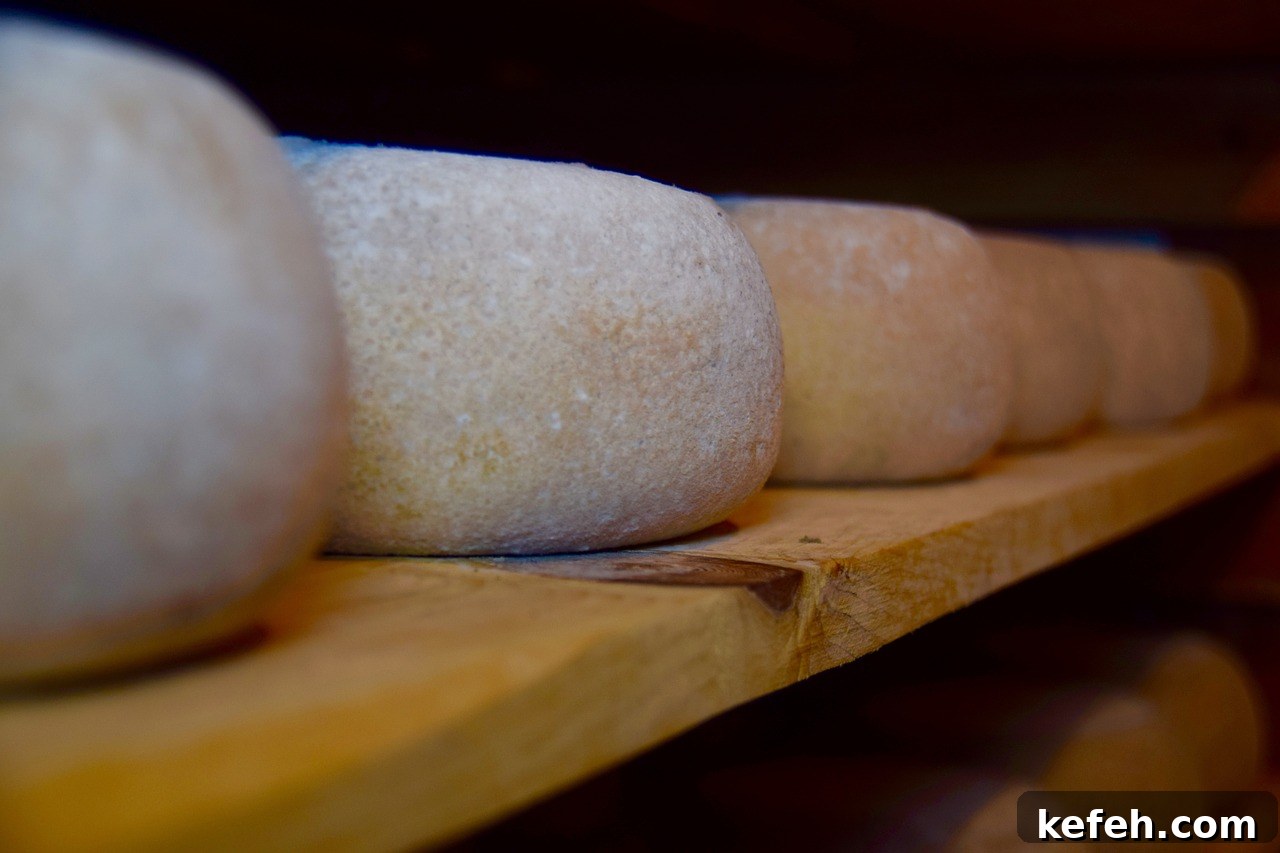
Because sheep milk is high in solids—almost double what you’d get from cow or goat milk—it’s particularly well suited for cheesemaking. Although sheep produce less total milk than cows or goats, the higher solids mean you can make more cheese from less milk.
BASIC RUN DOWN ON DAIRY SHEEP
Sheep were among the first mammals milked by humans and dairy sheep remain popular in many European and Mediterranean countries. In North America, true dairy breeds are less common and fewer in number.
On average, dairy sheep produce about half a gallon (roughly 2 liters or 8 cups) of milk per day. Non-dairy breeds can be milked, but they typically yield less milk and have shorter lactation periods.
Sheep are ruminants and chew their cud. Their average lifespan is around 10–12 years.
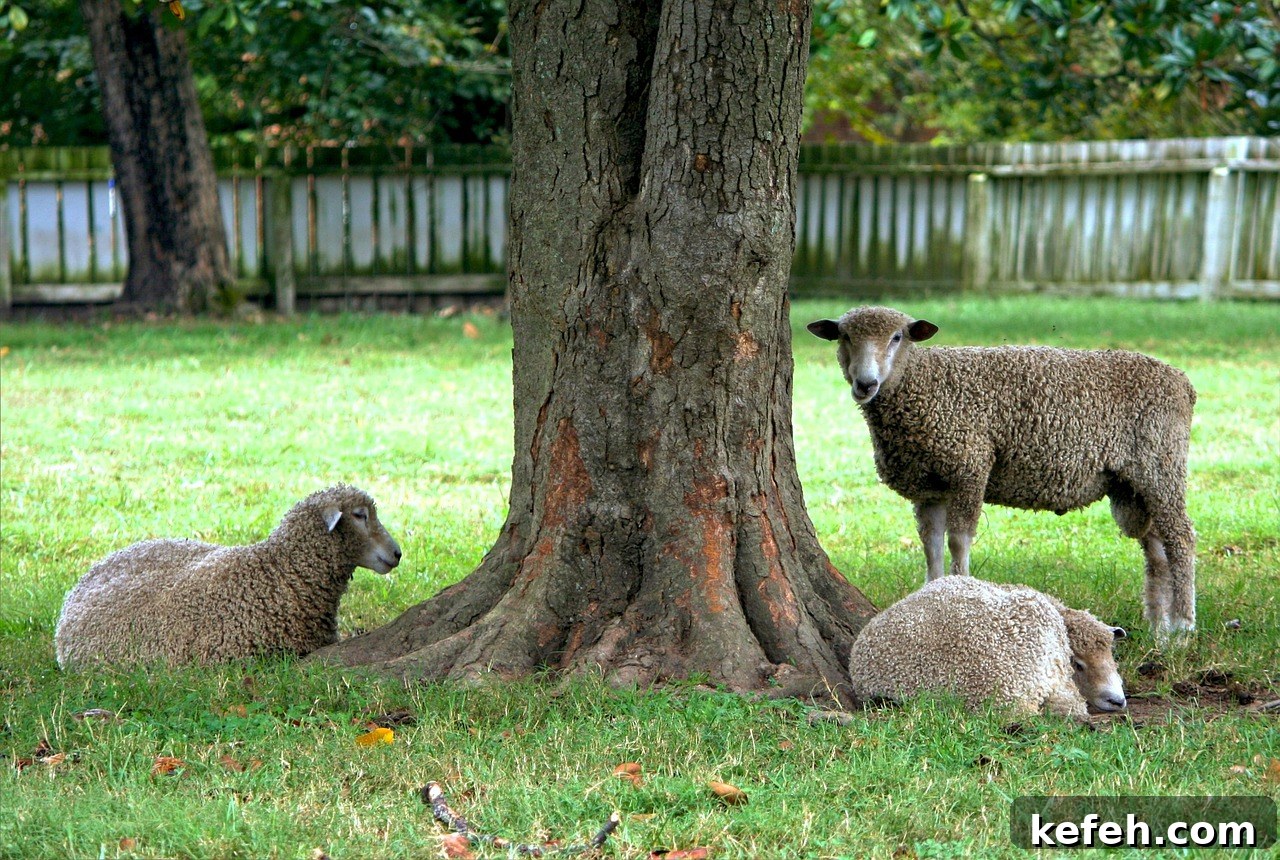
Diet-wise, sheep are less picky than cows but not as indiscriminate as goats. In pasture, they often prefer forbs (non-grass plants) if available. During winter they can be maintained on hay with minimal grain supplementation; pregnant ewes commonly receive additional nutrition.
Most ewes are ready to breed around one year of age, though heat cycles and breeding frequency vary by breed—some are seasonal, others can be bred multiple times a year. Gestation typically runs about 142–152 days, and many breeds commonly produce twins and sometimes triplets.
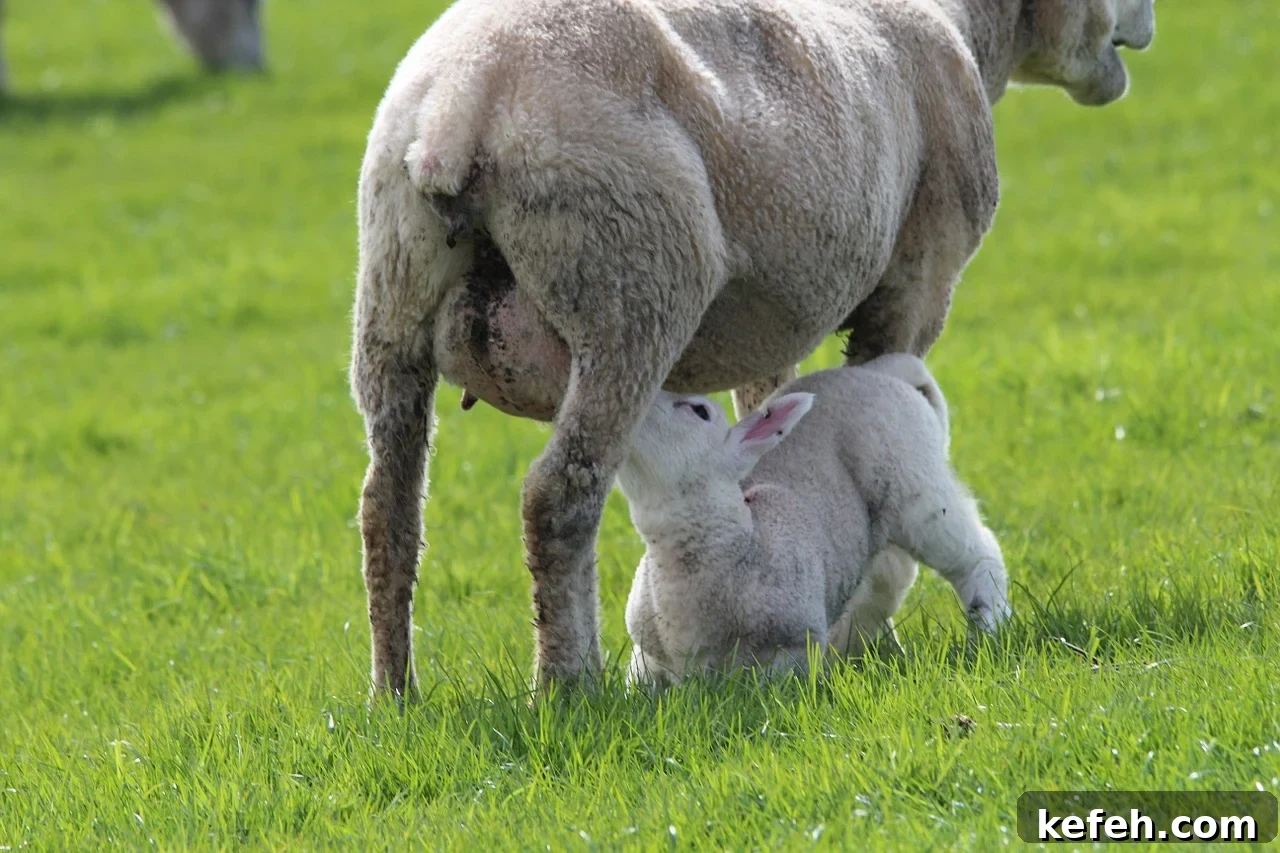
Sheep generally have a shorter lactation period than cows or goats. Dairy breeds commonly supply milk for around 240 days (about eight months), while non-dairy breeds that are milked may provide milk for up to roughly 150 days (five months).
ISSUES WITH DAIRY SHEEP
Purebred dairy sheep can be harder to find in North America and are sometimes prone to health issues associated with narrow breeding lines. To improve hardiness, many breeders cross dairy lines with meat or wool breeds.
Predation is a concern: dogs, coyotes, wolves, and cougars can threaten sheep and lambs. If you plan to breed ewes and raise lambs, secure fencing and a protected enclosure or barn are essential.
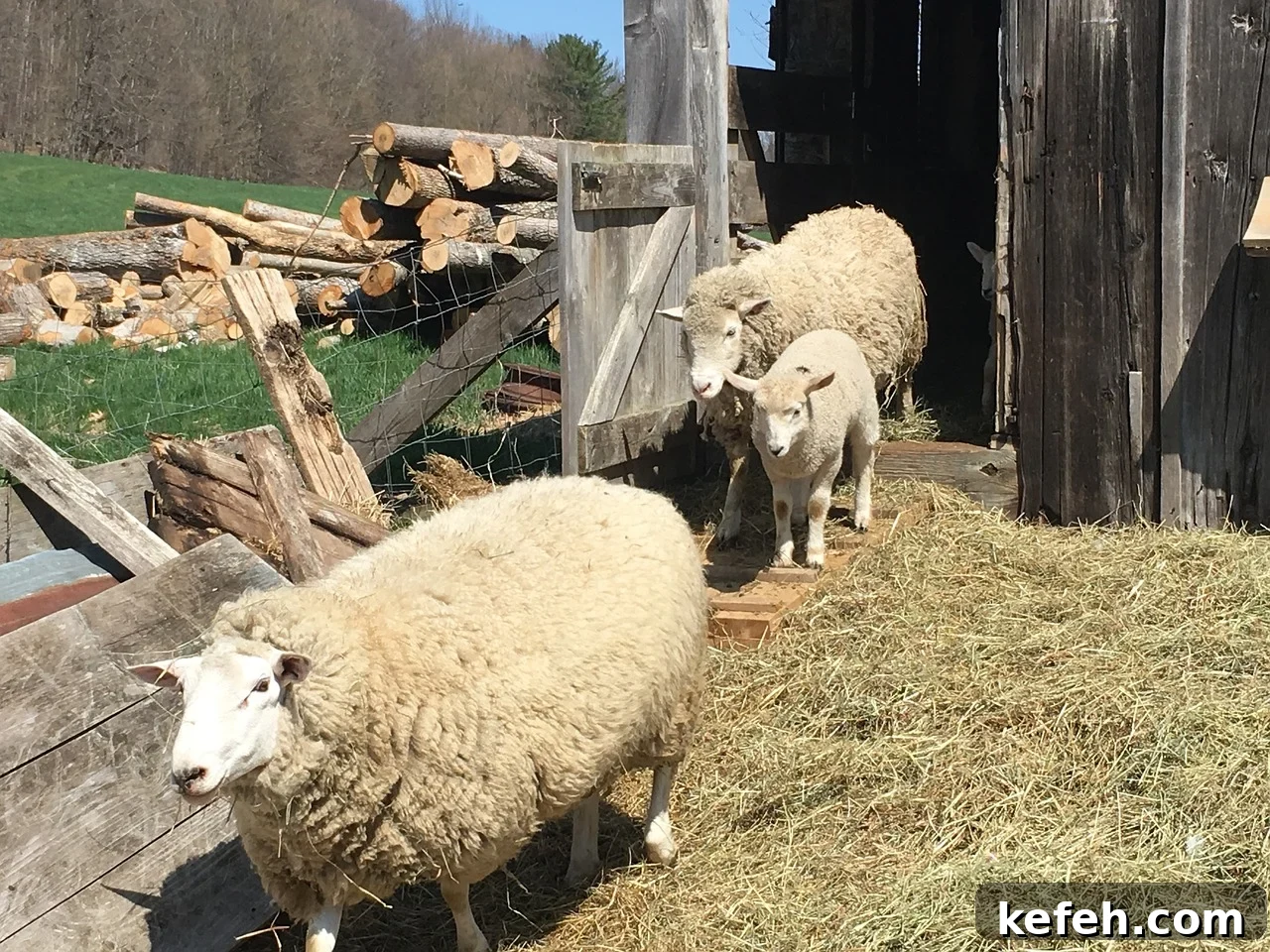
Some dairy sheep grow wool and will need annual shearing, usually in spring. Parasite control is important: pasture rotation helps, but if rotation isn’t practiced, deworming at least once a year may be necessary.
Milking sheep can be more challenging than milking goats or cows. Sheep teats are small, which makes milking by hand or machine more difficult, and sheep can be easily spooked, making them flighty at milking time.
Finally, dairy sheep can be expensive and harder to source in the U.S. and Canada. Because they remain more common in Europe, you may need to travel to find reputable stock, and prices for quality dairy lines can be high.
WILL WE GET A DAIRY SHEEP OR TWO?
The more I learn, the more inclined I am toward sheep. I still need to research how sheep milk should be prepared for infants and whether it requires adjustments similar to goat milk.
To gain hands-on experience, we plan to purchase two Suffolk lambs for meat this spring. That will give us some sheep-handling experience before investing in costly dairy-specific breeds. And lamb is tasty—though I’ll admit I appreciate that they will be six months old by butchering time; it’s hard to cull animals when they’re so cute!
If you have tips about raising dairy sheep or about feeding sheep milk to infants, I’d love to hear your advice. I’ll be researching and learning as much as I can in the coming months.
*Milk composition numbers referenced from Ricki Carroll’s Home Cheese Making, 3rd edition.