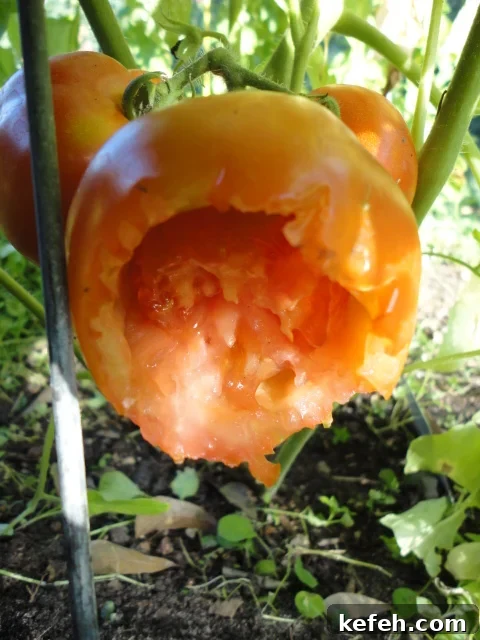
Nearly Ripe Tomato Pecked By A Bird
Tomato Plants in a Raised Vegetable Bed
Gardener Versus Bird Cage To Protect Tomatoes
Plastic Cable Ties Securing Wood Frames of Tomato Cage
Tomatoes (Early Girl) Ripening on the Vine
My backyard sits in an older Katy, TX neighborhood filled with mature trees — a true haven for birds. Year-round I hear and see a variety of species: Blue Jays, Cardinals, Finches, migrating Hummingbirds, Chickadees (my favorite), Doves, Mockingbirds, Woodpeckers and the occasional Hawk. I enjoy watching them at the feeders in winter, but each May and June one of these birds becomes my nemesis when tomatoes begin to ripen.
I’ve never actually caught the culprit in the act and, at first, suspected squirrels. In reality a bird has taken to pecking my nearly ripe tomatoes. It doesn’t bother unripe fruit or most of my peppers — it targets the tomatoes that are only a day or two from being perfectly vine-ripened. What was charming at the bird feeder becomes frustrating when the season for fresh tomatoes arrives.
The first year I grew tomatoes I tried several simple deterrents: dangling shiny CDs, strips of aluminum foil and even plastic netting. None of those measures stopped the pecking. As a novice gardener it felt like a losing battle as the tomatoes I waited months for were ruined just before harvest.
The second season I hoped it had been a one-off event, but the attacks resumed. Growing up, my father’s summer garden in Delaware never faced this problem, so the persistence of the damage surprised me. I considered several theories — maybe the birds were attracted to the red color, or seeking moisture — but red peppers and bell peppers were largely left alone and filling the bird bath didn’t help. I realized I needed a different approach if I wanted to actually enjoy homegrown tomatoes.
My solution was a protective cage constructed from 1″ x 2″ treated lumber. I built rectangular frames connected with L-brackets, stretched plastic netting over them and stapled it in place. The structure consists of five frames, two of which have swinging doors for access. Initially I fastened the frames with screws and metal plates, but nowadays I use plastic cable ties to assemble the cage quickly. The frames remain attached to the raised bed with brackets and screws for stability.
After eight seasons, the cage has proven effective. Aside from the occasional early tomato lost to procrastination, the protective frames keep the birds away from ripening fruit. The initial investment in materials and minor repairs over the years has paid off: the frames are still in service and will likely last many more seasons. Is the time spent assembling, disassembling and storing the cage each year worth it? For me, absolutely. Without the cage I wouldn’t get to enjoy true homegrown tomatoes in Katy, TX. There are few joys comparable to slicing into a fresh, vine-ripened tomato straight from the garden.
First Vine Ripened Tomatoes of the Season (Early May)