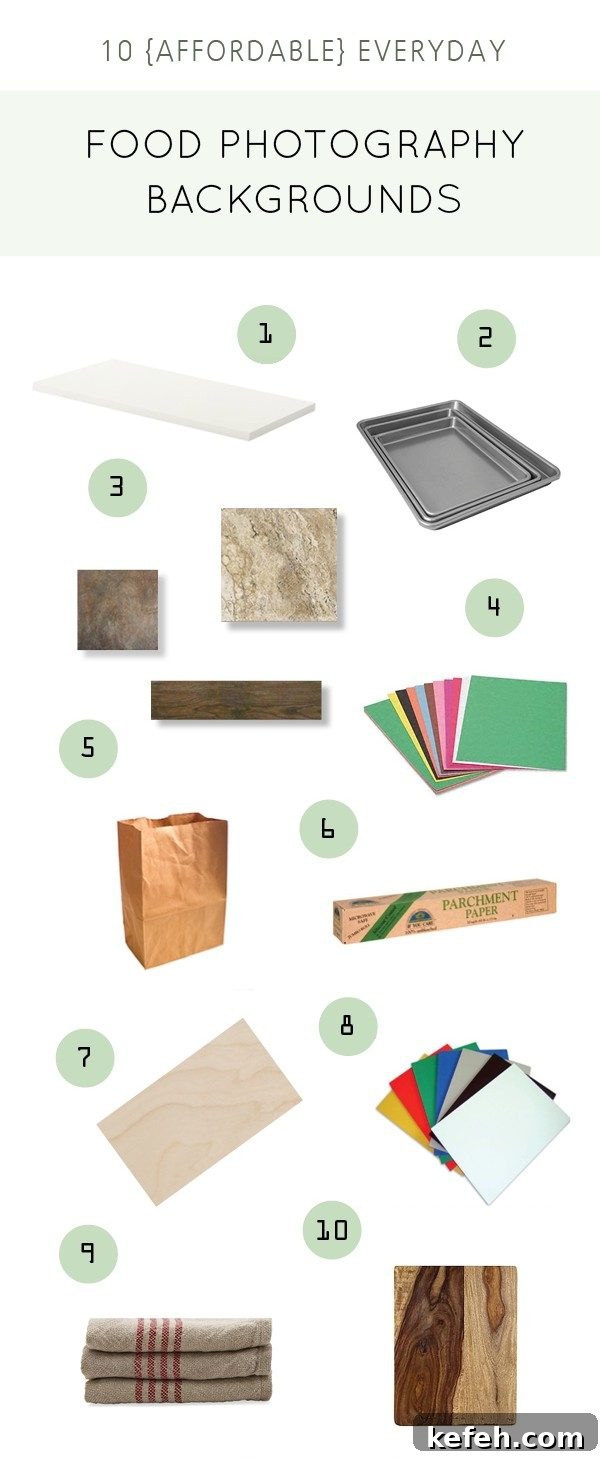
My favorite 10 affordable food photography backgrounds — each under $25. Plus tips and lessons I’ve learned about food photography over the years.
This post contains Amazon and RewardStyle affiliate links.
We’re talking food photography and practical, budget-friendly backgrounds. Yes — that includes a paper bag, and yes — it can work beautifully.
My food photography philosophy
I believe in a “less is more” approach: you can create compelling food photos with very few and inexpensive props. Over the years I’ve relied on simple backgrounds and thoughtful composition rather than an endless collection of gear and props. Photography can turn into a “need more stuff” race — better lenses, more props, pricier backdrops — but great photos are more about composition, light, and storytelling than having every tool on the market.
Great food photography, to me, does three things: it showcases ingredients with strong composition, it evokes a feeling or memory, and it makes you want to eat the food immediately. Achieving all three is the goal, but incremental improvement over time is more realistic and far more common.
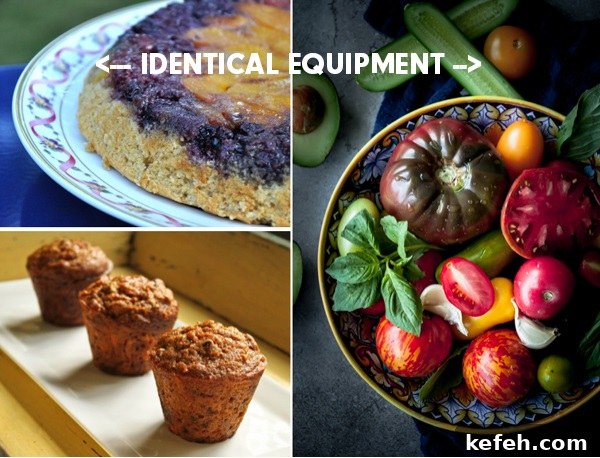
Before vs. after — progress comes from practice, not just gear.
The importance (or lack thereof) of “stuff”
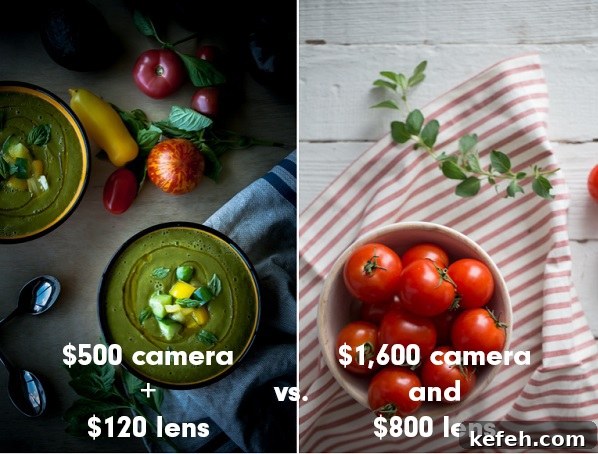
People often assume that expensive equipment automatically makes better photographers. While good equipment can help, it won’t replace eye, practice, and creativity. I shot every photo on this site for the first several years with an entry-level DSLR and an inexpensive 50mm lens. Upgrading the camera and lenses made some technical improvements, but it didn’t magically transform the way I compose or tell stories through images.
Does natural light matter?
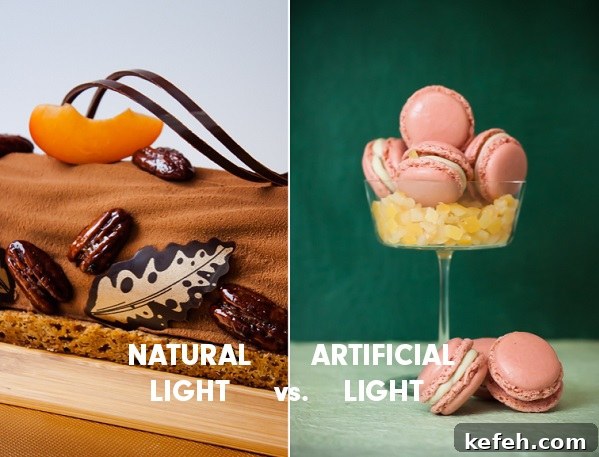
I love working with natural light because it’s simple and elegant, but it’s not essential. Natural light is inconsistent and can be limiting depending on your schedule. Artificial light can produce equally strong results when used thoughtfully, and many professionals use strobes and continuous lights in commercial shoots. If you can’t shoot during the day, don’t let that stop you — great photography is achievable under artificial lighting too.
For me, the consistent factors that improved my photography were practice, learning camera settings (ISO, shutter speed, aperture), experimenting with composition and angles, studying other photographers and food magazines, and investing time in editing and post-processing. Don’t hesitate to ask questions of others — many photographers are generous with advice.
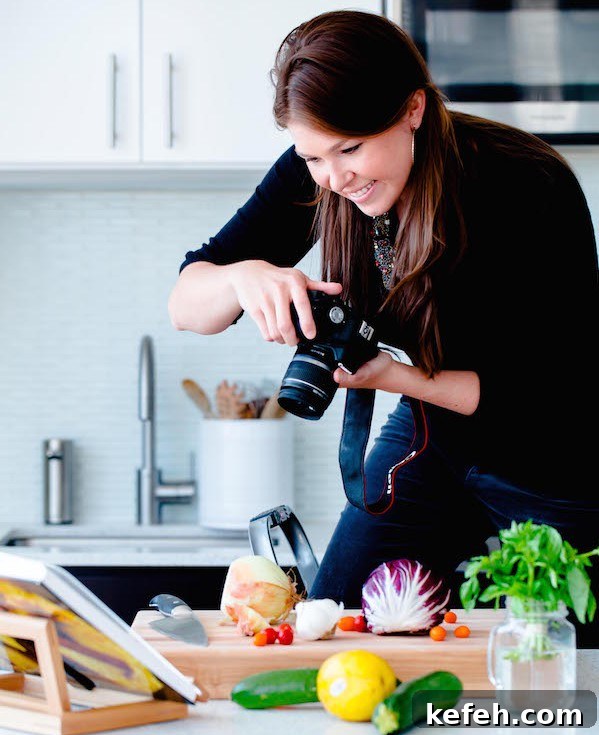
How I improved my food photography skills
- Shoot regularly to build familiarity with your camera and subject matter.
- Learn camera basics: ISO, shutter speed, and aperture.
- Be creative and resourceful with a small set of props and backgrounds.
- Experiment with composition, lighting, and angles.
- Study food photography inspiration from books and magazines.
- Invest time in editing — post-processing matters.
- Ask other photographers for feedback and guidance.
Favorite affordable food photography backgrounds
Below are ten everyday, affordable backgrounds I’ve used for years, each under $25. These options encouraged me to be creative with layering, linens, and props rather than relying on expensive boards.
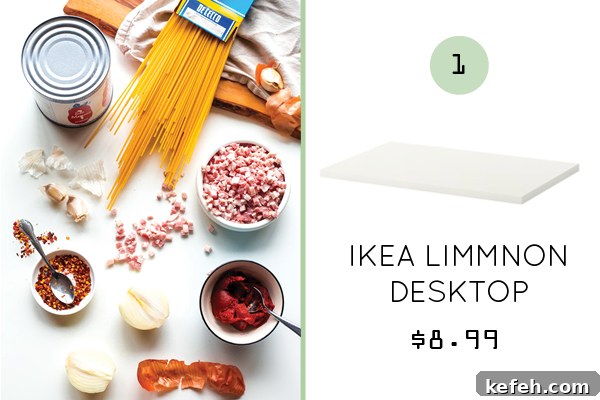
Ikea Linnmon Table Top | Recipe: Spaghetti Amatriciana
1. IKEA Linnmon table top
The Ikea Linnmon is a simple matte white surface that wipes clean and has minimal shine — ideal for messy food shots. It’s essentially a desk top sold separately, usually three by two feet. It’s light for its size but requires some storage room. Note: the white is slightly muted and may need a brightness adjustment in post-processing.
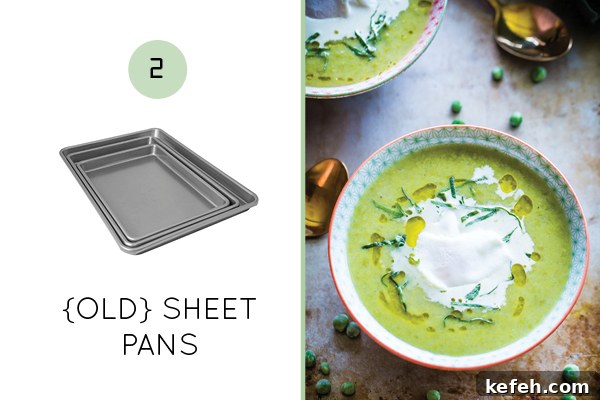
Distressed sheet pan | Recipe: Pea and Leek Soup
2. Antique and distressed sheet pans
Well-worn sheet pans bring texture and character to top-down ingredient shots. Look for heavily used pans at thrift stores, yard sales, or online. They work well propped up as vertical backdrops too.
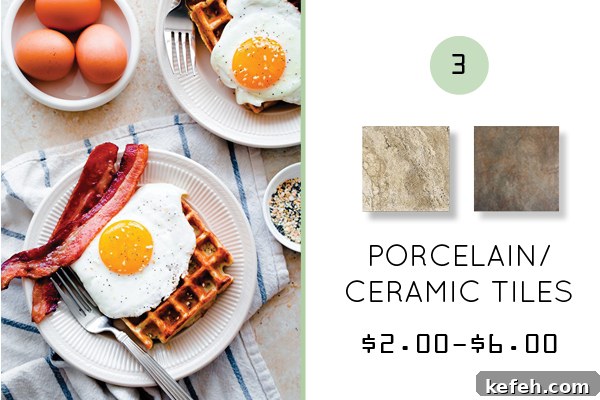
Ceramic and porcelain floor tiles | Recipe: Everything Bagel Breakfast Waffles
3. Ceramic and porcelain floor tiles
Tiles from a home improvement store are inexpensive, come in various finishes, and are typically matte. They’re easy to clean but can be heavy, breakable, and small, which limits large top-down compositions.
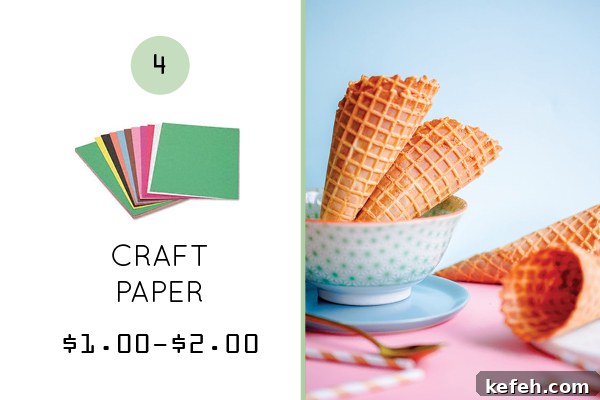
Craft and construction paper | Recipe: Olive Oil Stracciatella Ice Cream
4. Craft and construction paper
Craft paper is a lightweight, inexpensive way to introduce color and texture. It’s easy to store but usually comes in small sizes and will need replacement if stained. Clamp it to foam board for stability.
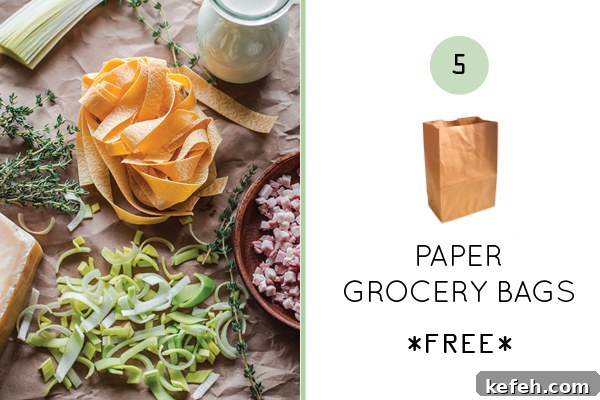
Paper grocery bags | Recipe: Creamy Leek and Pancetta Pappardelle
5. Paper grocery bags
Opened and flattened paper grocery bags are a favorite: the natural brown tone is flattering and the crumpled texture adds interest. They’re disposable and cheap but stain easily and often are single-use.
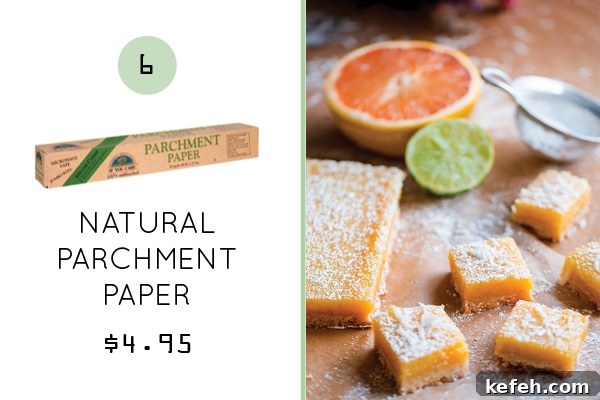
Natural parchment paper | Recipe: Citrus Shortbread Bars
6. Natural parchment paper
Parchment paper adds subtle texture and warm, neutral color. Crumple it or lay it flat; you can often reuse it if it isn’t stained. It’s inexpensive but will show stains readily.
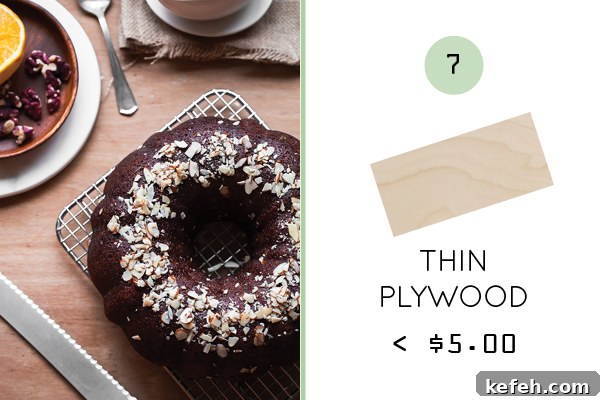
Thin plywood | Recipe: Grand Marnier Orange Bundt Cake
7. Thin plywood
Thin plywood sheets are light, inexpensive, and available in various sizes and grains. They make convincing wood surfaces without the cost of high-end boards. They can be awkward to store and prone to staining, so avoid placing food directly on them for long periods.
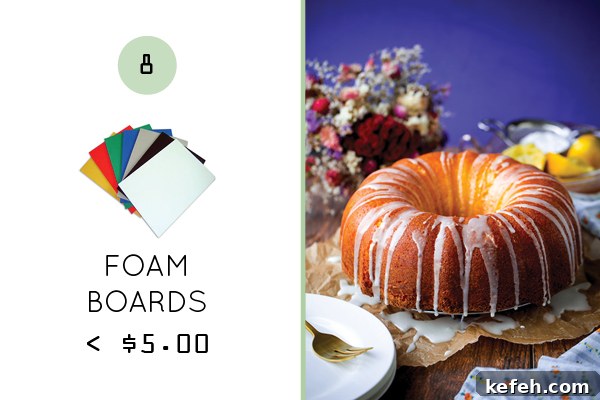
Foam boards | Recipe: Lemon Yogurt Pound Cake
8. Foam boards
Foam boards are essential: they serve as backdrops and light reflectors (or flags to block light). Keep white and black boards on hand; colored boards can also work as backgrounds. They’re inexpensive but stain easily.
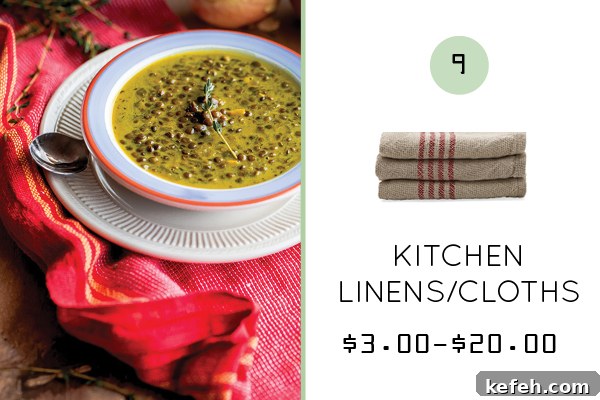
Kitchen linens/cloths | Recipe: Green Lentil Coconut Soup
9. Kitchen linens and cloths
Natural linen cloths are versatile and easy to work with. Use them flat or draped, layered or alone. Neutral tones are most flexible; bold prints can date a photo. Linens add softness and warmth to images.
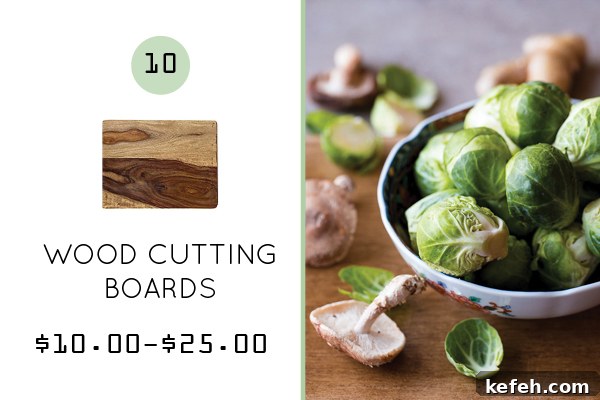
Wood cutting board | Recipe: Asian Roasted Brussels Sprouts
10. Wooden cutting boards
Wooden cutting boards add natural warmth and texture; they’re great for layering. Look for varied grain and avoid yellow-toned boards that clash with food. Prices vary widely; many functional boards fall within the $10–$25 range. They can stain and are often small for large compositions.
11. Marble pastry slab (bonus)
Marble pastry slabs are classic, durable, and excellent for baking and photography. They often have a matte finish that photographs well. Marble can stain or show watermarks, so avoid leaving acidic or wet foods on it for long periods.
I hope this resource gives you practical, affordable options to experiment with and inspires you to mix up your setups. Using budget-friendly backgrounds encourages creativity with layering, linens, and props and helps you develop visual style without spending a fortune.
If you have questions about my photography or equipment, check my FAQ page for more details.
